Practice-oriented event based at “Yntymak”
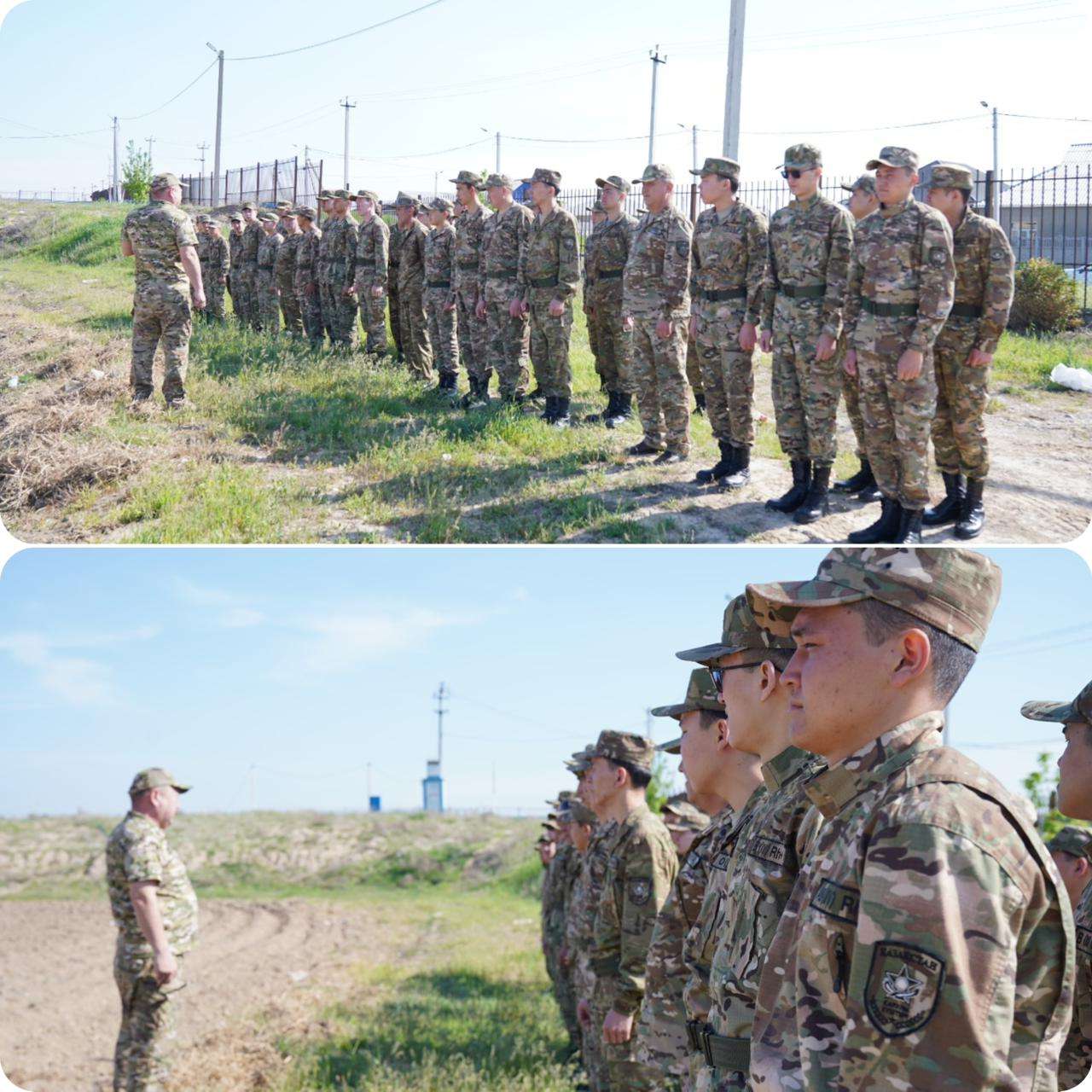
On April 10, 2026, an important practice-oriented event held at the “Yntymak” scientific and production base. It was initiated by the Research Center for Pharmacy under the leadership of Orynbassarova K.K., together with the center’s research staff. The event brought together students as well as the teaching staff of the military department, headed by the Chief of the Military Department, Reserve Lieutenant Colonel Kassymbekov A.B., who highlighted its comprehensive and educational character.
The main goal of the event was to develop practical skills in the cultivation of medicinal plants, as well as to increase students’ interest in pharmacognosy, phytochemistry, and the rational use of natural resources.
In addition, such initiatives contribute to environmental education, the development of work discipline, and teamwork among students.
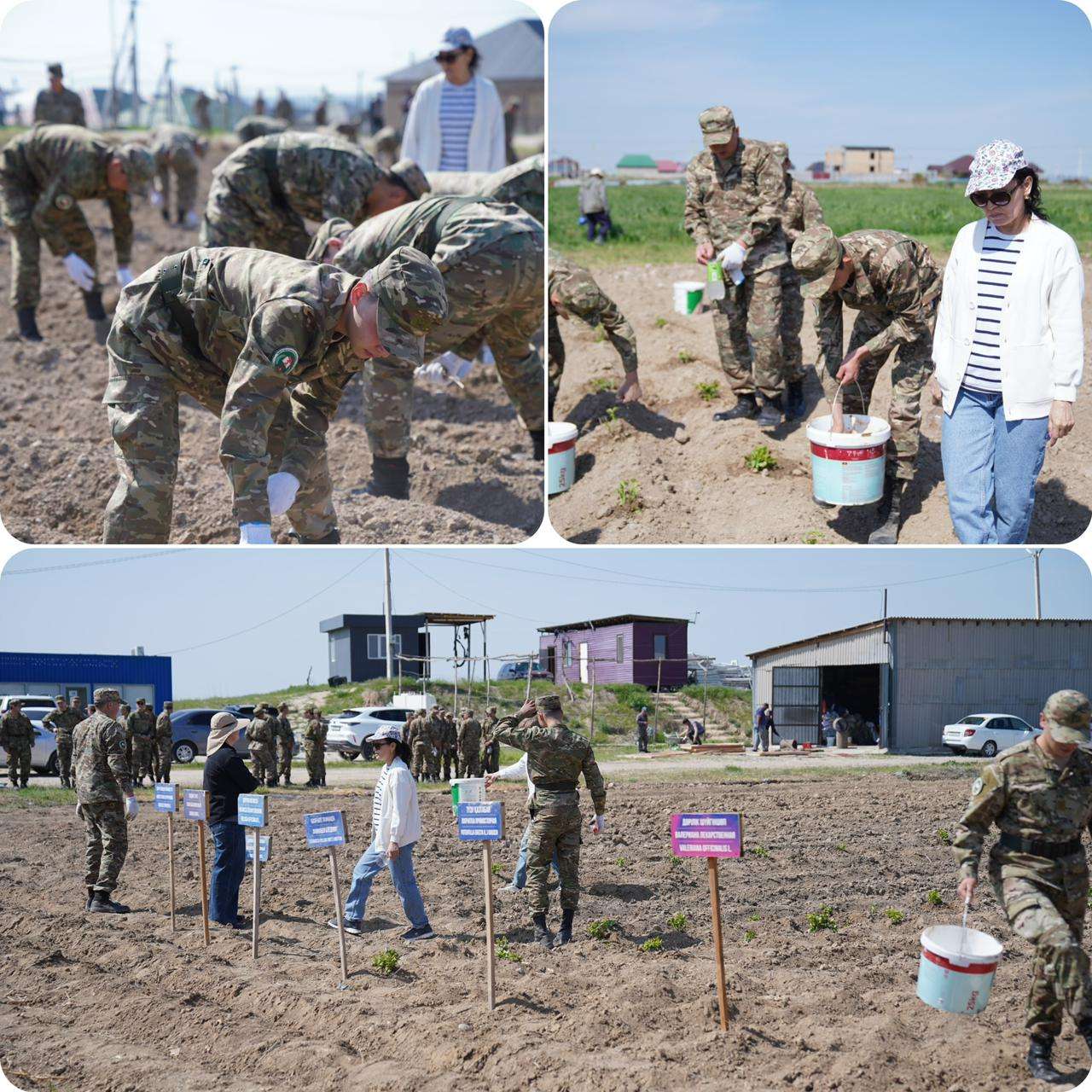
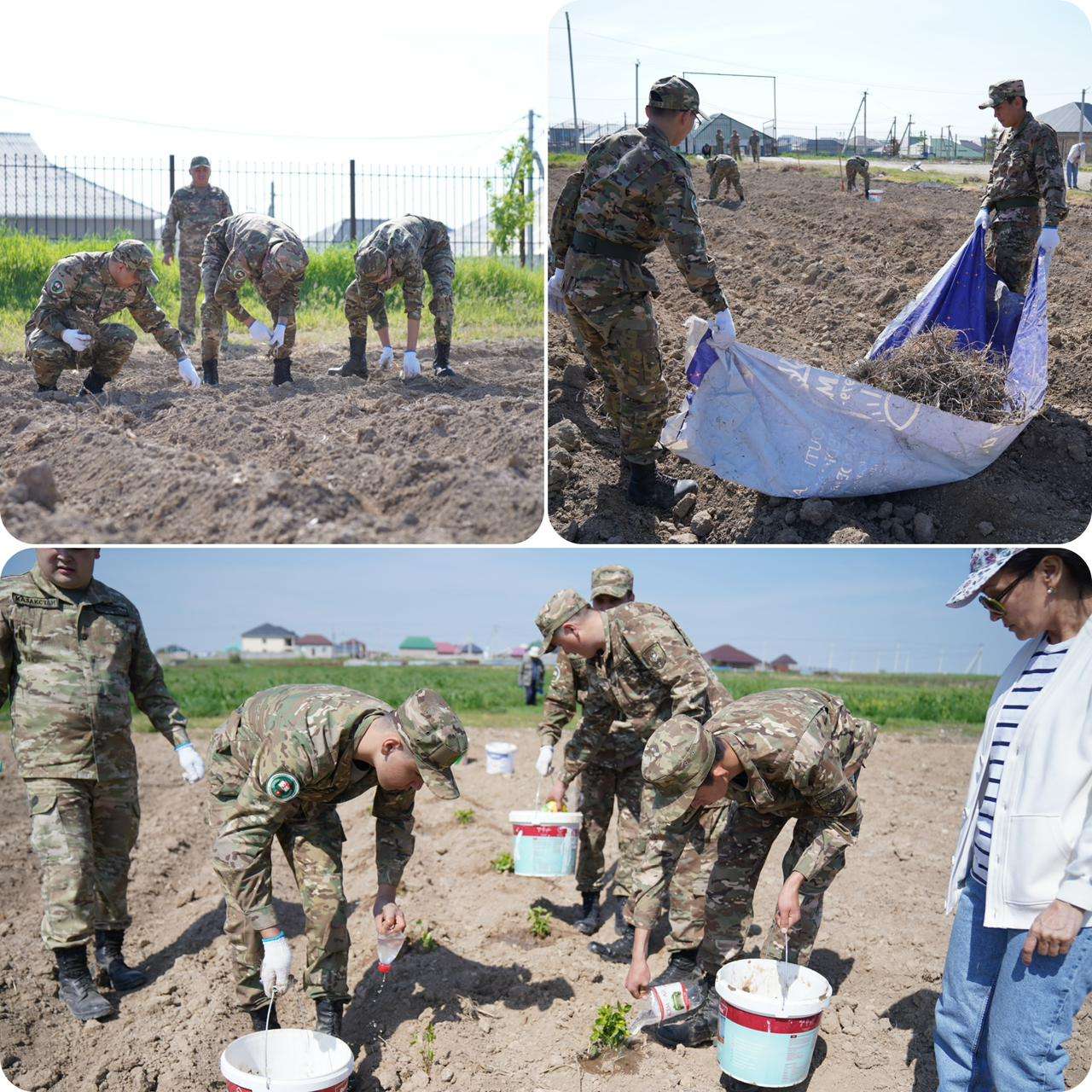
The work began with site preparation: participants cleared the area of weeds, debris, and foreign objects. Special attention was given to the proper organization of the planting space, which is an important stage of agrotechnical practices.
After that, planting beds were formed, taking into account the agrobiological characteristics of each plant species.
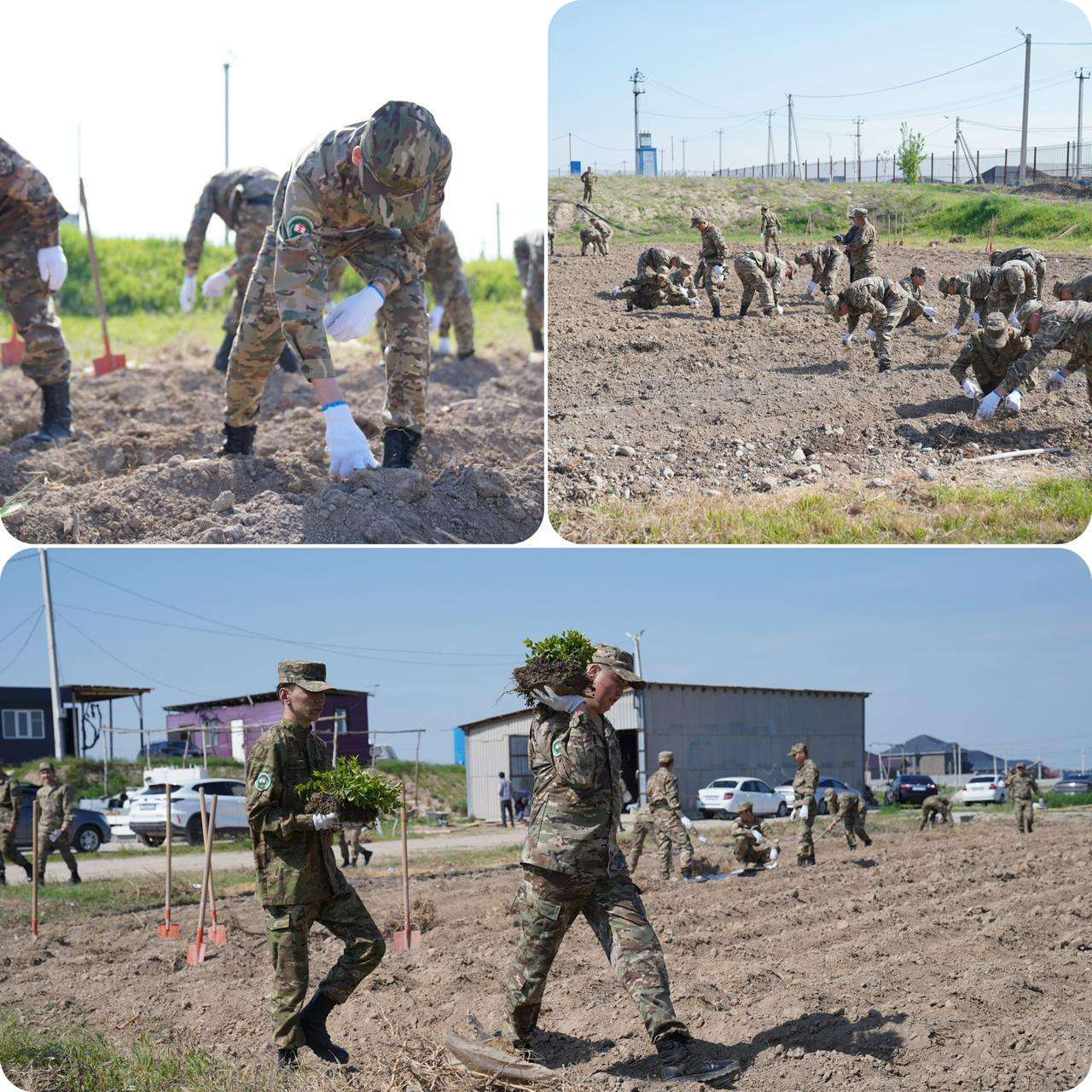
Seeds of various medicinal crops widely used in pharmaceutical practice were sown in the prepared plots: chamomile, peppermint, lemon balm, caraway, calendula, sage, marshmallow, lesser periwinkle, and milk thistle. These plants are of great value as sources of biologically active substances—essential oils, flavonoids, tannins, and other compounds used in the production of medicines and herbal remedies.
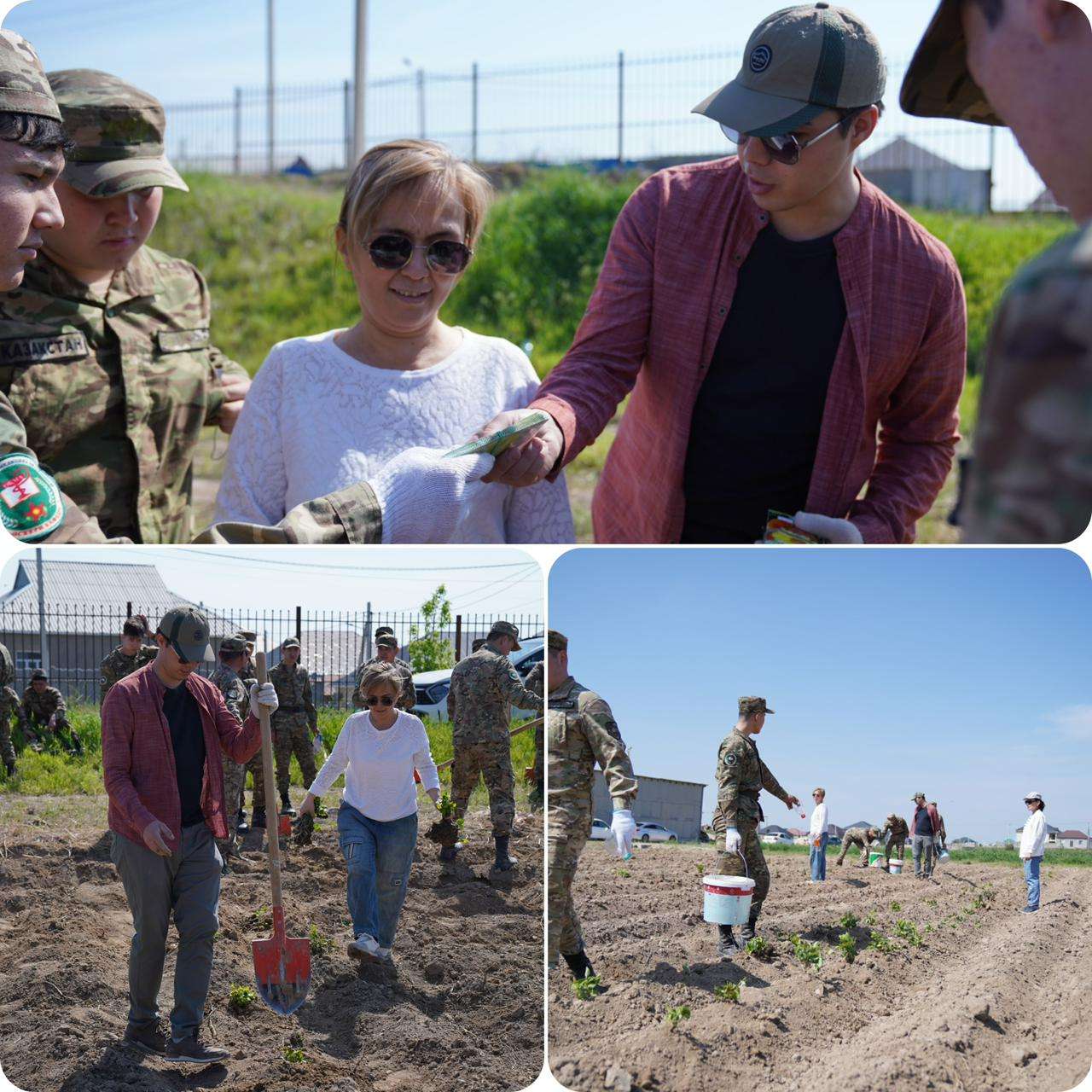
During the planting process, students gained practical knowledge about seeding rates, seed sowing depth, the specifics of caring for medicinal crops, and the importance of soil and climatic conditions for their growth and development.
The instructors provided methodological guidance, explaining theoretical aspects and monitoring the correct execution of the work.
The event served not only as an important stage in the training of future pharmaceutical specialists, but also as a contribution to the development of a domestic raw material base of medicinal plants.
Further plans include monitoring the growth and development of the crops, as well as using them for educational and research purposes.
Thus, this initiative demonstrates an effective integration of theoretical learning with practical activity, aimed at developing professional competencies and fostering a sustained interest in scientific work in the field of pharmacy.