Academic Mobility At The Avicenna Tajik State medical university
During the period from March 10 to March 20, 2026, the faculty members of the Department of Pharmaceutical Technology and Pharmacognosy, represented by Anarbayeva R.M. and Orynbassarova K.K., carried out an academic mobility program at the Avicenna Tajik State Medical University (Dushanbe, Republic of Tajikistan).
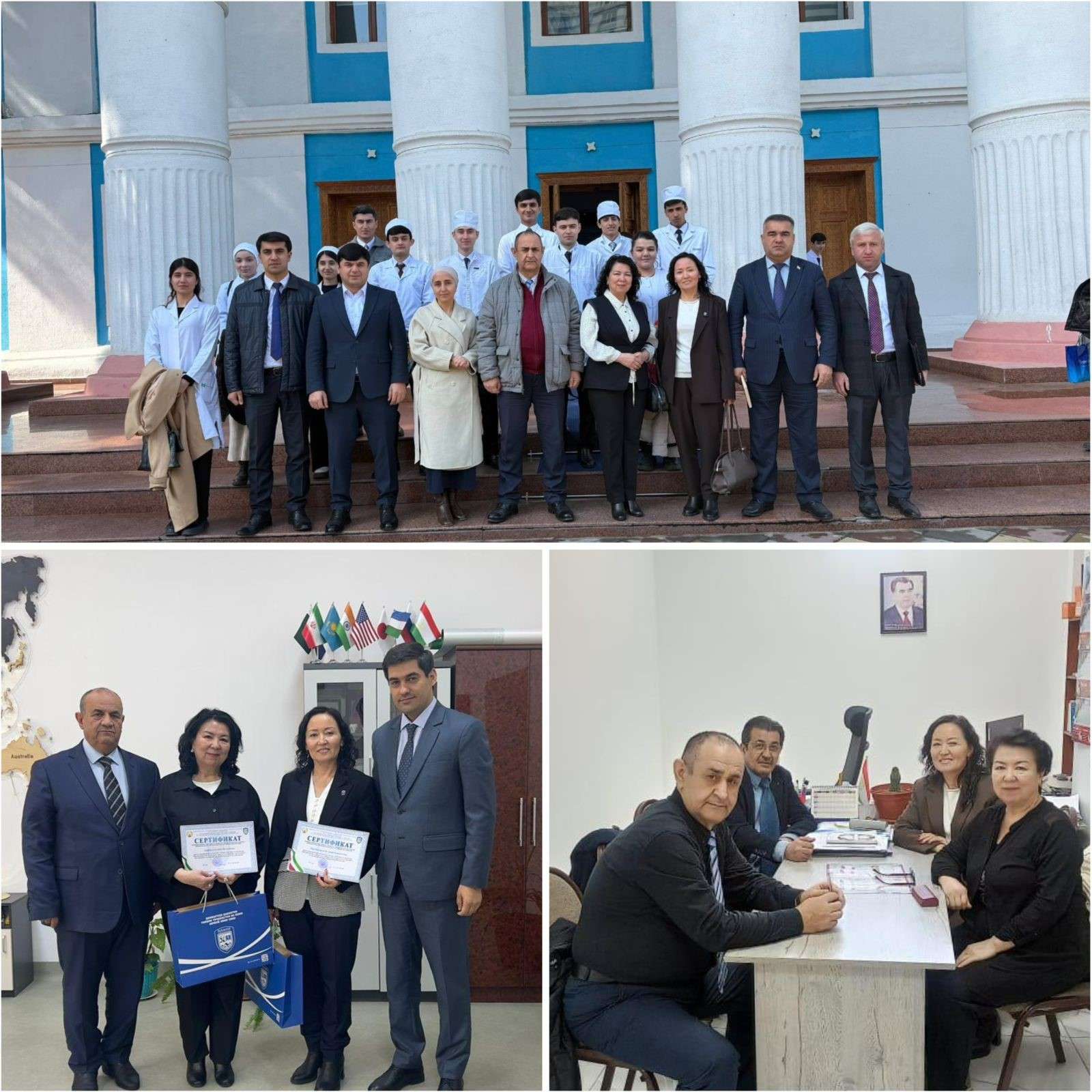
The visiting program was comprehensive in nature and included integration into the educational process of the Faculty of Pharmacy (delivery of lectures and conducting laboratory and practical classes), organization and master classes for the academic staff, implementation of modern teaching technologies, as well as discussion and coordination of joint educational programs. Additionally, visits were made to the university’s research and clinical departments.
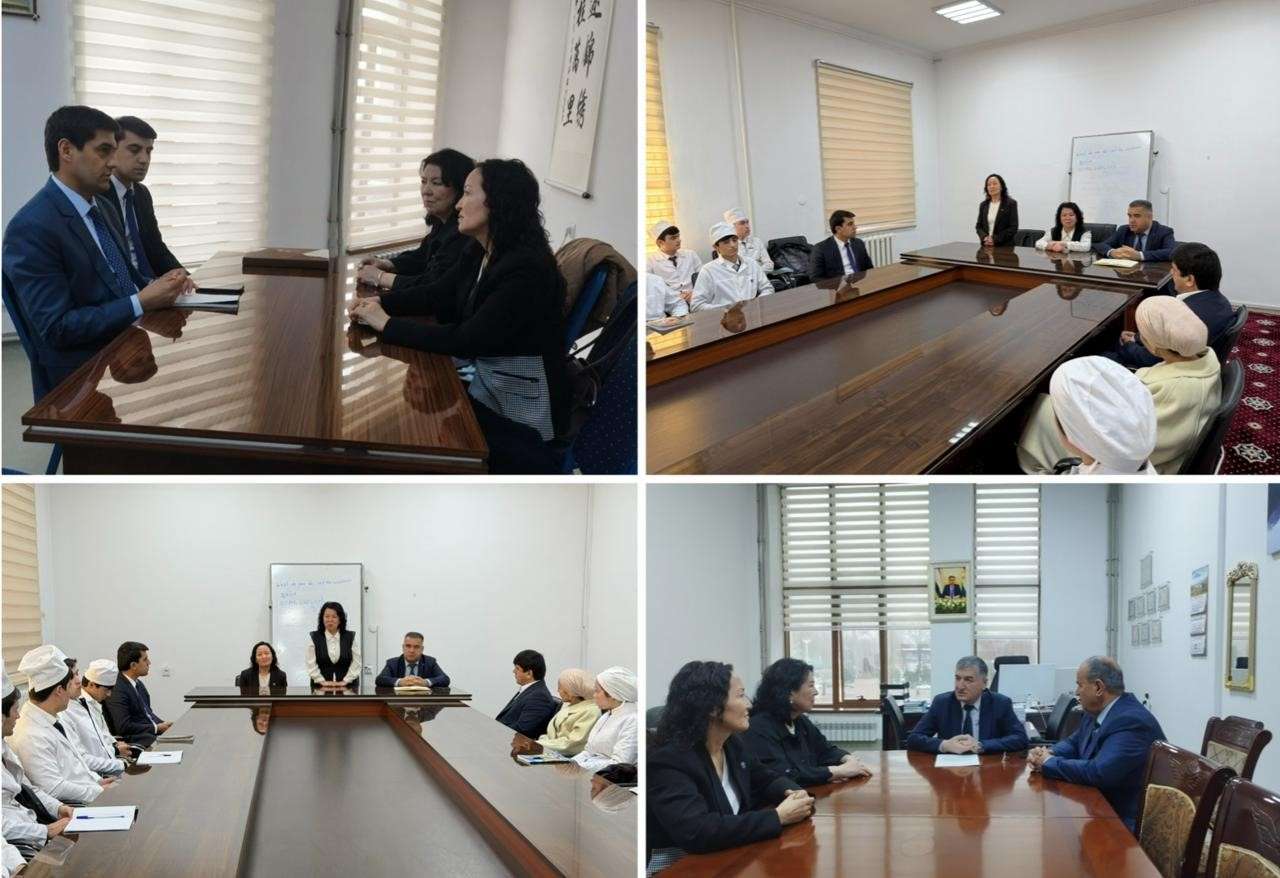
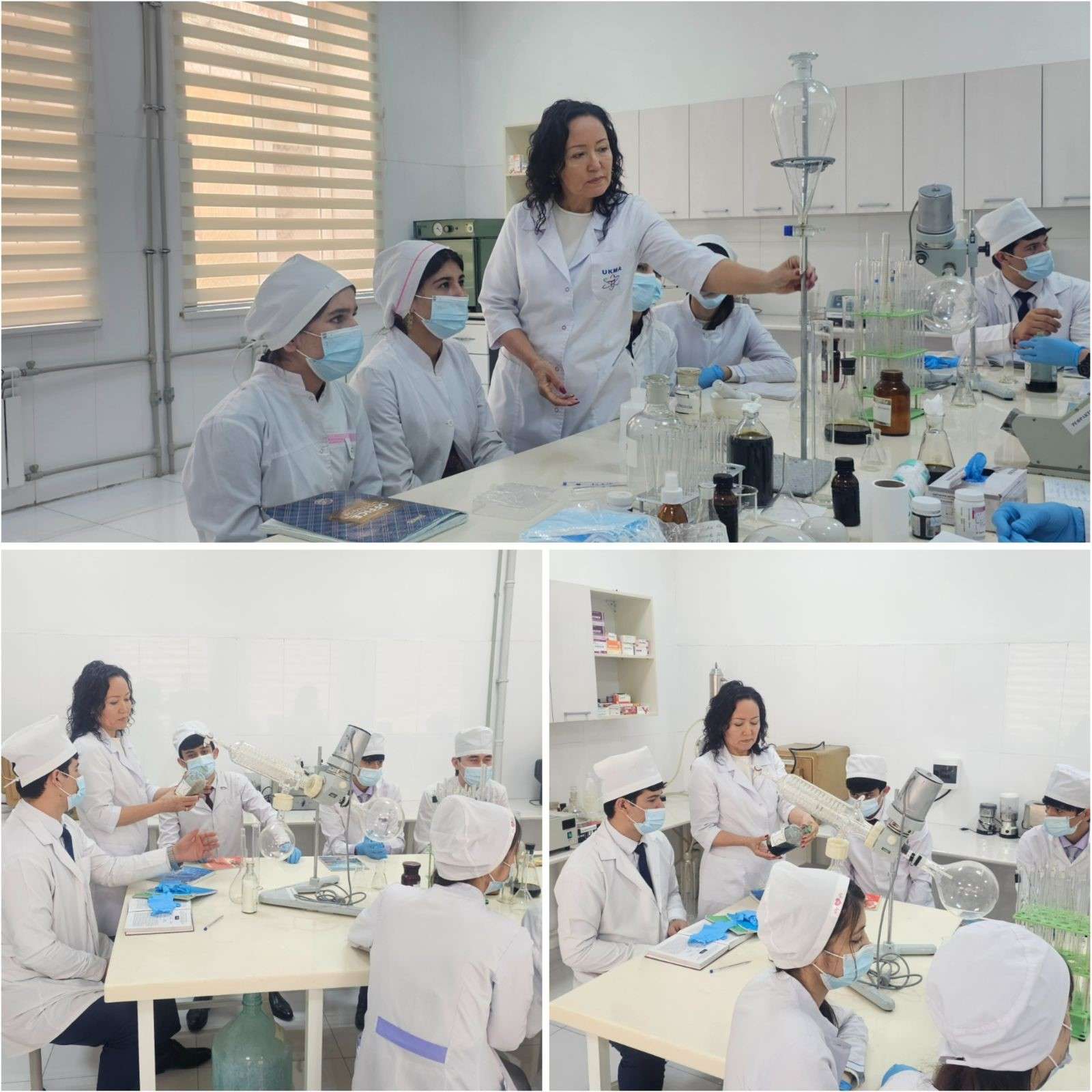
As part of the educational program, Anarbayeva R.M. delivered a series of lectures in the discipline “Pharmaceutical Technology” for 3rd–4th year students. The lectures covered the preparation of mixtures from dry substances and concentrated solutions, the development of ophthalmic dosage forms, the production of suspensions using dispersion and condensation methods, emulsion technology, the preparation of aqueous extracts from medicinal plant raw materials, as well as the technology of manufacturing industrial dosage forms (liquid, semi-solid, and sterile forms).
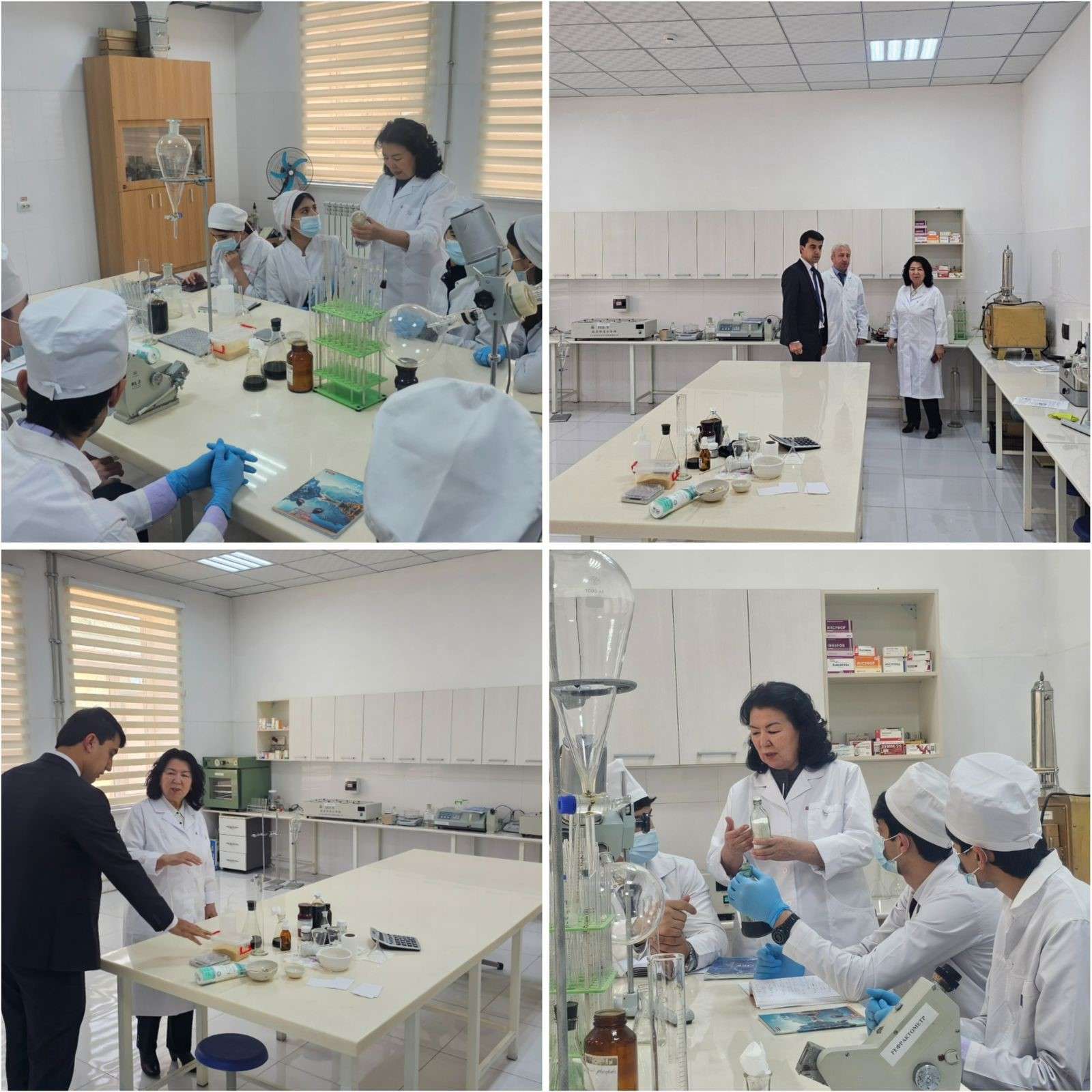
In addition, within the discipline “Pharmaceutical Biotechnology,” a practical class was conducted for 5th-year students of the “Pharmacy” educational program on the topic: “Bioobjects as a Means of Production. Classification of Bioobjects and Their Properties. Methods of Biotechnology. Physiological Approaches to Directed Biosynthesis of Target Products.”
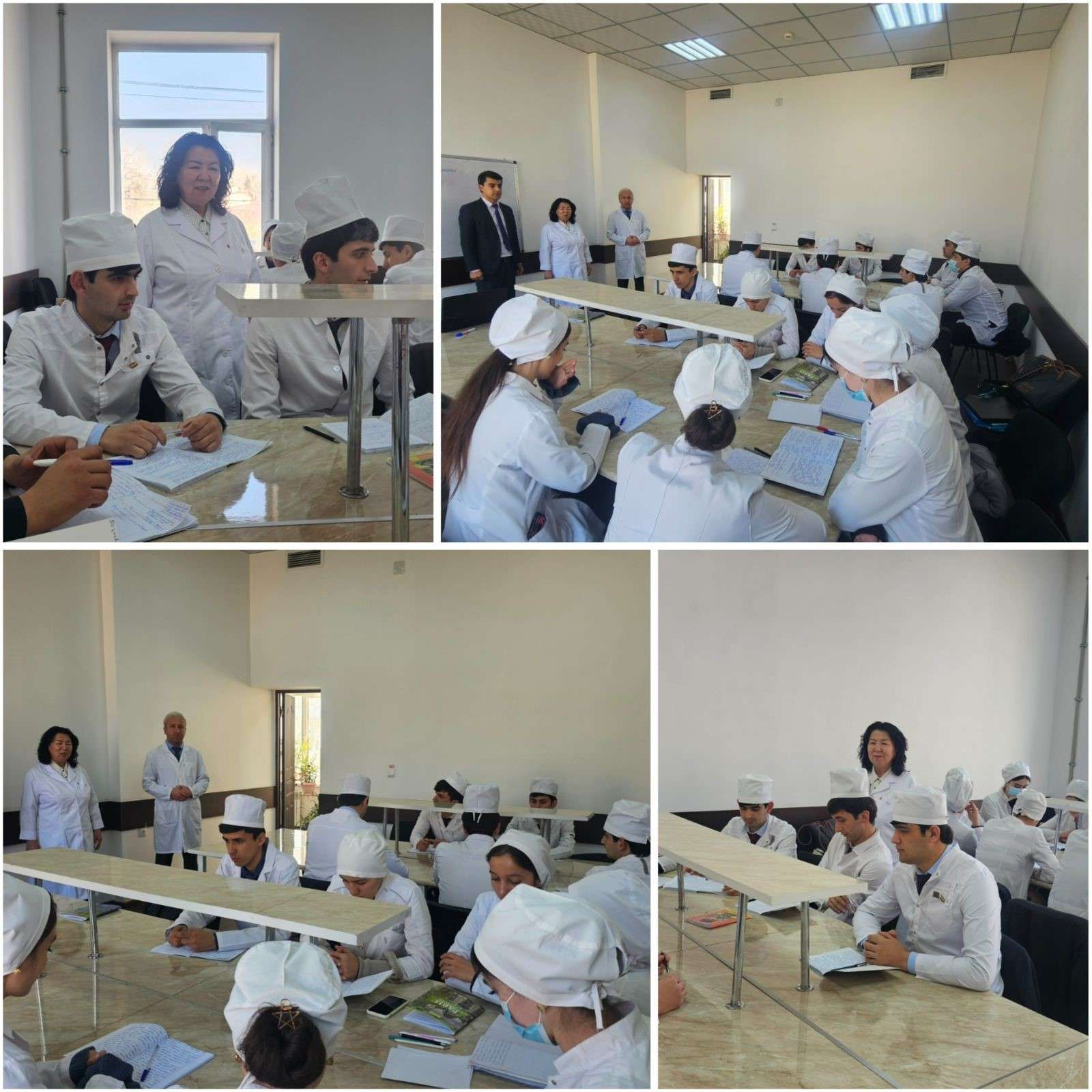
Orynbassarova K.K. delivered a series of lectures in the discipline “Pharmacognosy” for 3rd and 4th year students. The lectures covered definitions, classification, and physicochemical properties of medicinal plants and plant raw materials containing essential oils of various chemical nature (acyclic, monocyclic, bicyclic, aromatic, and sesquiterpene), as well as raw materials containing resins, bitter compounds, cardiac glycosides, saponins, carotenoids, and phenolic compounds.
In addition, within the discipline “Botany,” topics covered for 1st-year students of the “Pharmacy” educational program included higher spore-bearing and gymnosperm plants, as well as the morphology of vegetative and generative plant organs.
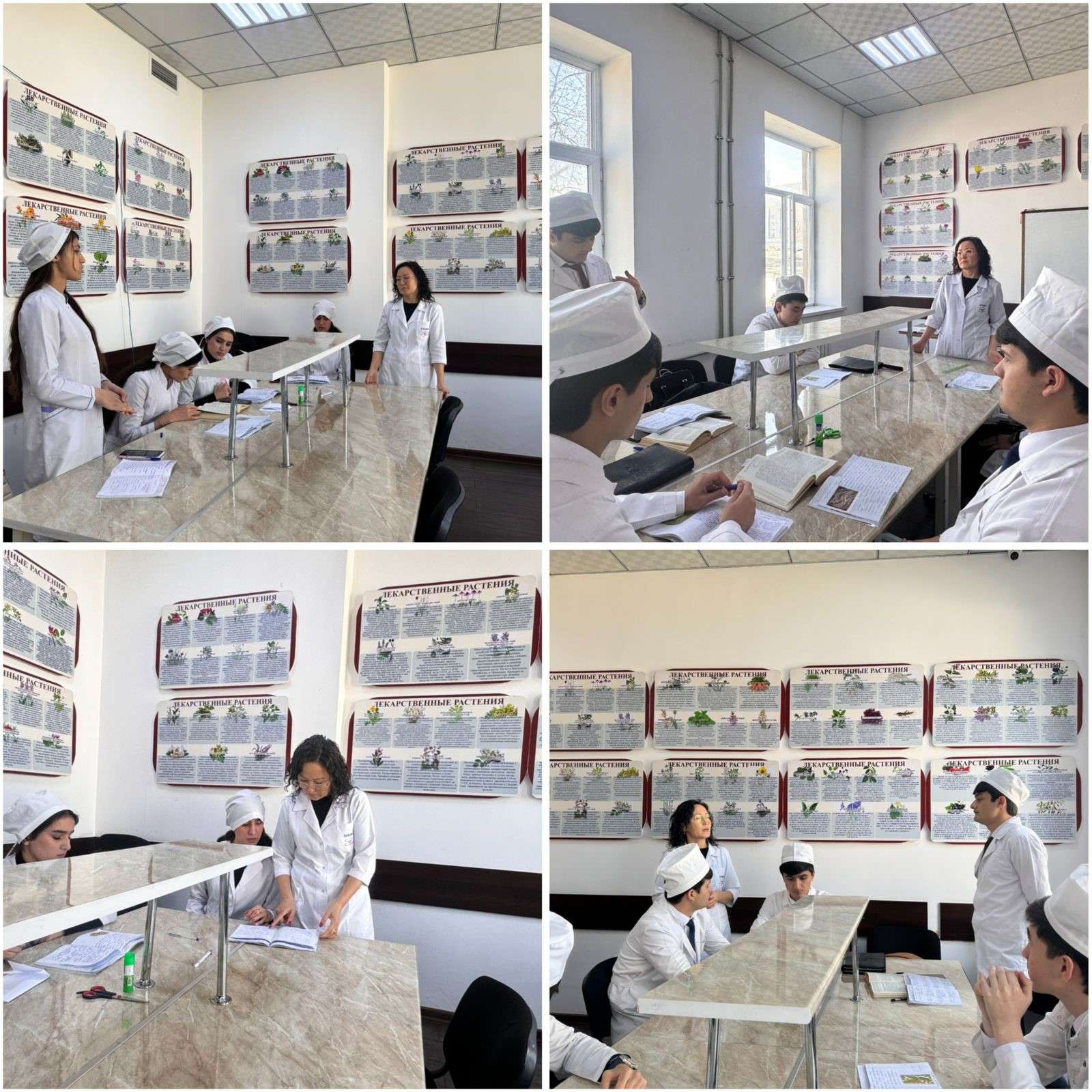
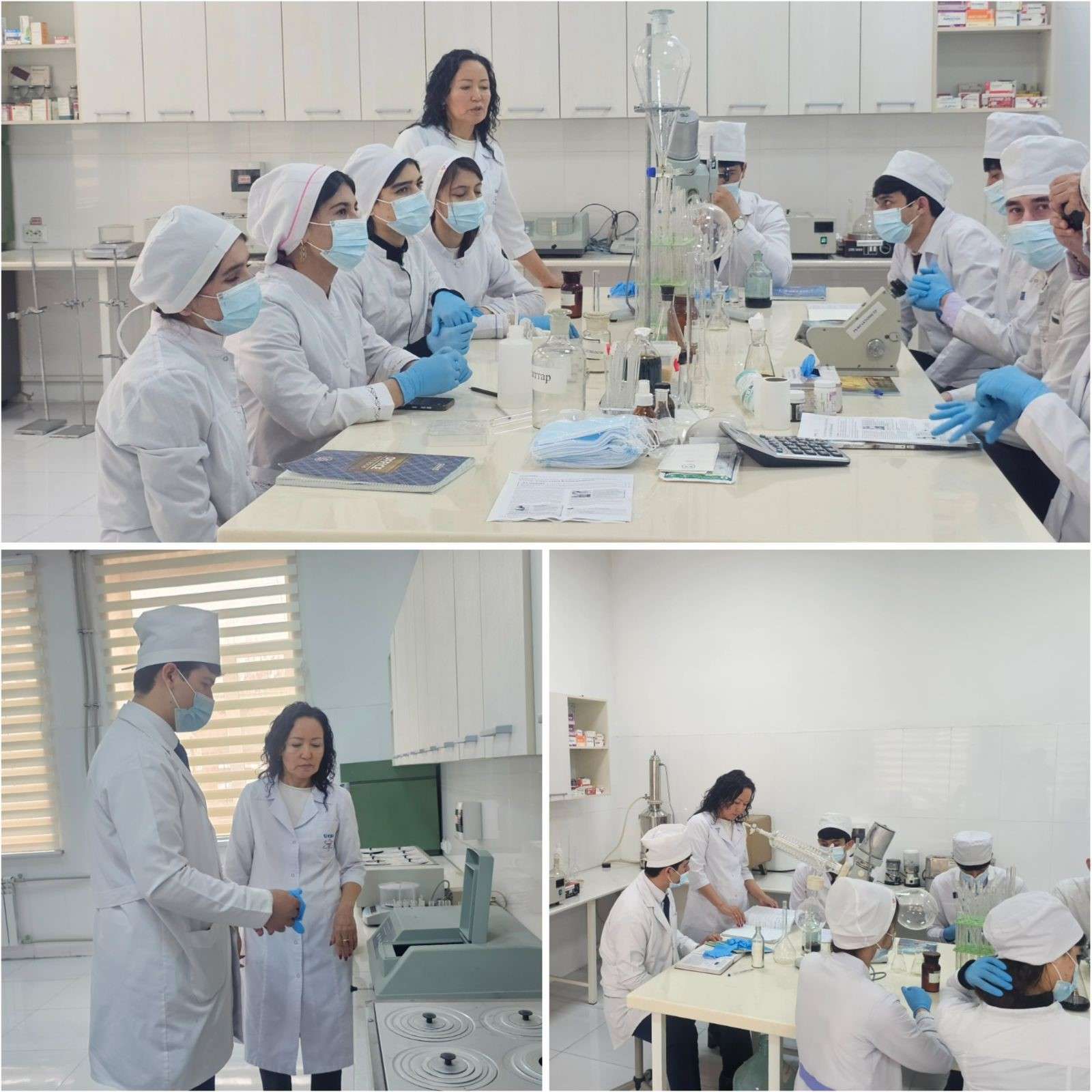
Laboratory and practical classes in the disciplines “Botany,” “Pharmacognosy,” “Pharmaceutical Technology,” and “Pharmaceutical Biotechnology” included the systematization of theoretical knowledge and the development of practical skills. Within these classes, issues of medicinal plant systematics, morphological analysis of raw materials, extraction methods, quality control, technologies for the production of dosage forms, biotechnological production of protein products, as well as methods of qualitative and quantitative analysis using modern instrumental approaches were addressed.
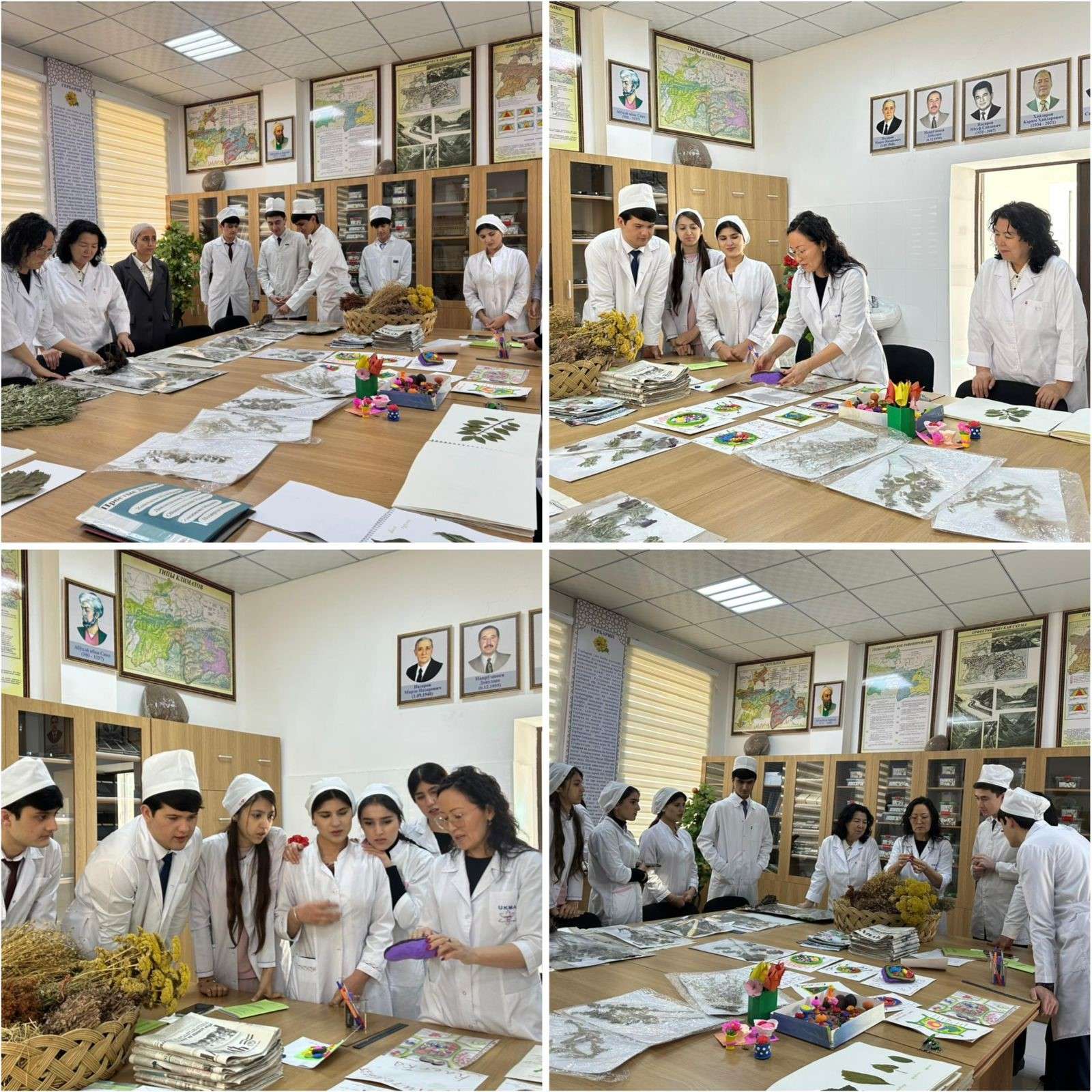
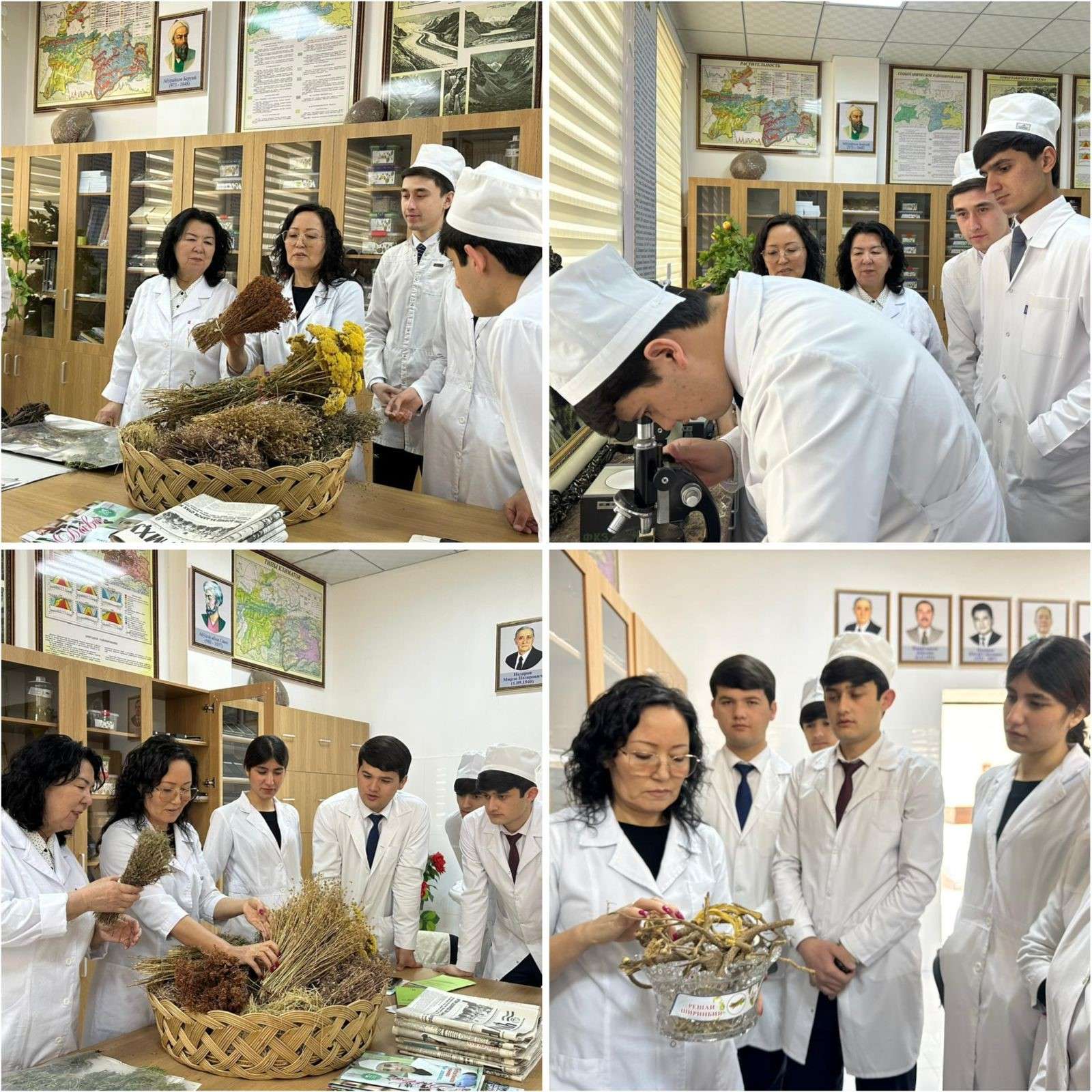
The classes were accompanied by laboratory work, preparation of reports, and analysis of results, which contributed to the development of students’ research competencies. The educational process was implemented using modern innovative pedagogical technologies.
An innovative form of teaching—a binary lecture implementing an interdisciplinary approach—was introduced into the educational process. This format was tested in the teaching of the disciplines “Pharmaceutical Technology” and “Pharmacognosy” on the topics: “Medicinal Plants and Herbal Raw Materials Containing Phenolic Compounds” and “Infusions and Decoctions from Medicinal Plant Raw Materials and Standardized Concentrated Extracts” for 3rd-year students of the Faculty of Pharmacy.
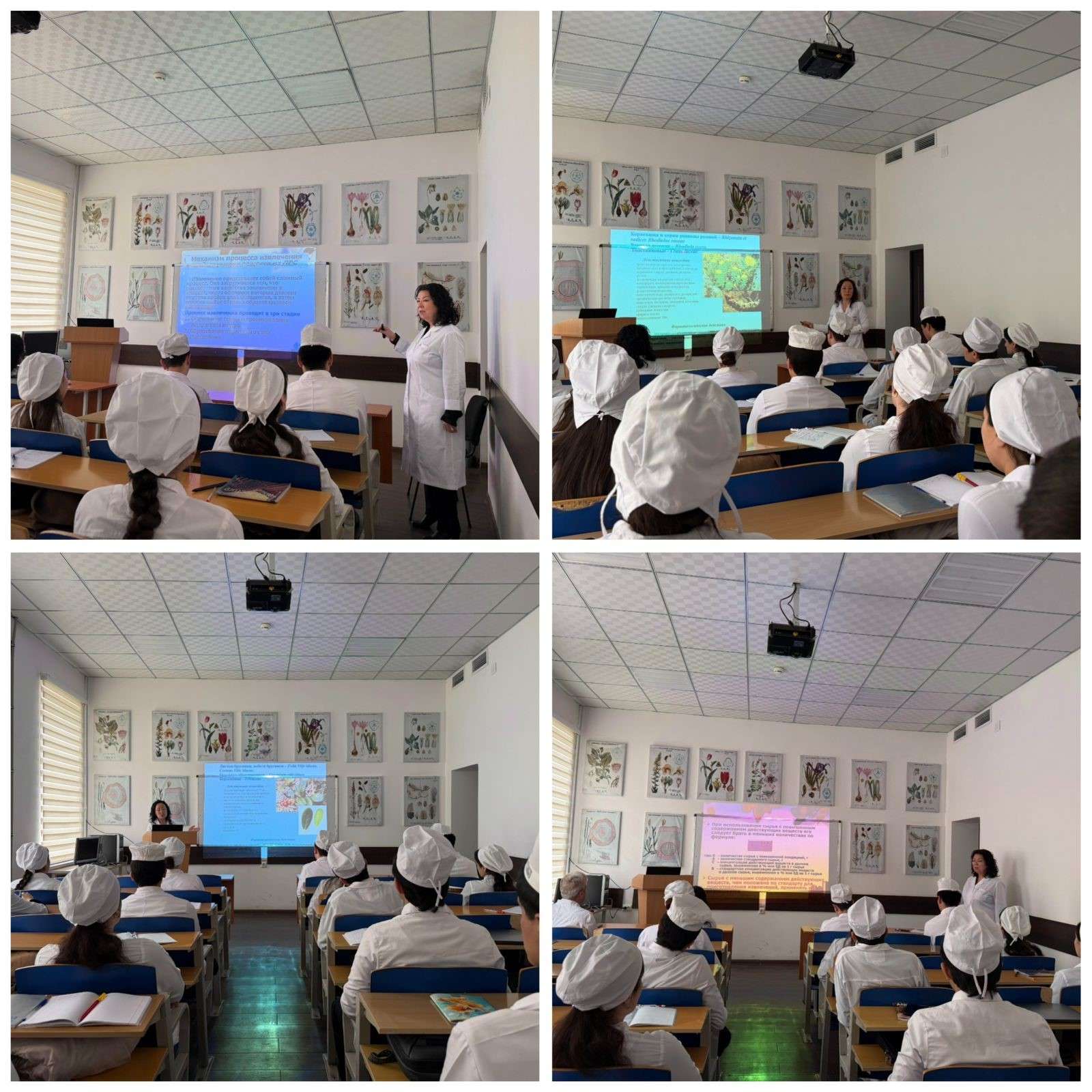
The use of binary lectures as a tool for interdisciplinary integration enhanced the effectiveness of developing students’ professional competencies. During the classes, active feedback was provided to students to reinforce and update their knowledge. A high level of student engagement and positive evaluation of the sessions were noted. For the university’s academic staff, masterclasses and training sessions were organized to improve pedagogical competencies, covering topics such as: “Forms of Assessment and Their Implementation,” “Application of Active Learning Methods (TBL, PBL, RBL, CBL) in Teaching Pharmaceutical Disciplines,” “Project-Based Learning,” “Assessment of Practical Skills Using OSPE Technology,” and “Online Courses as an Innovative Form of the Educational Process.” During the visit, promising areas of scientific collaboration were discussed, including joint research projects, scientific supervision of master’s and doctoral students, and participation in international scientific and practical events.
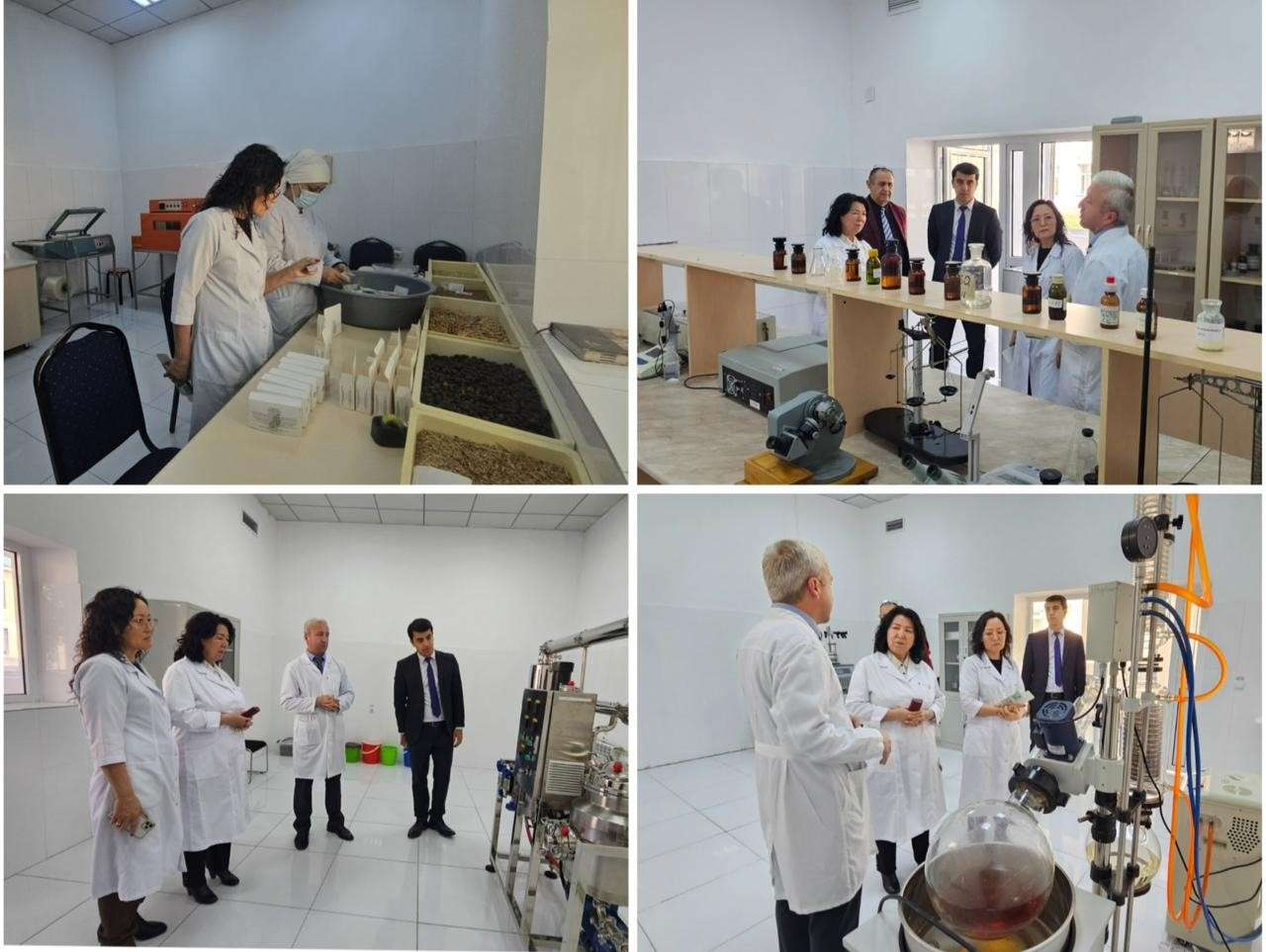
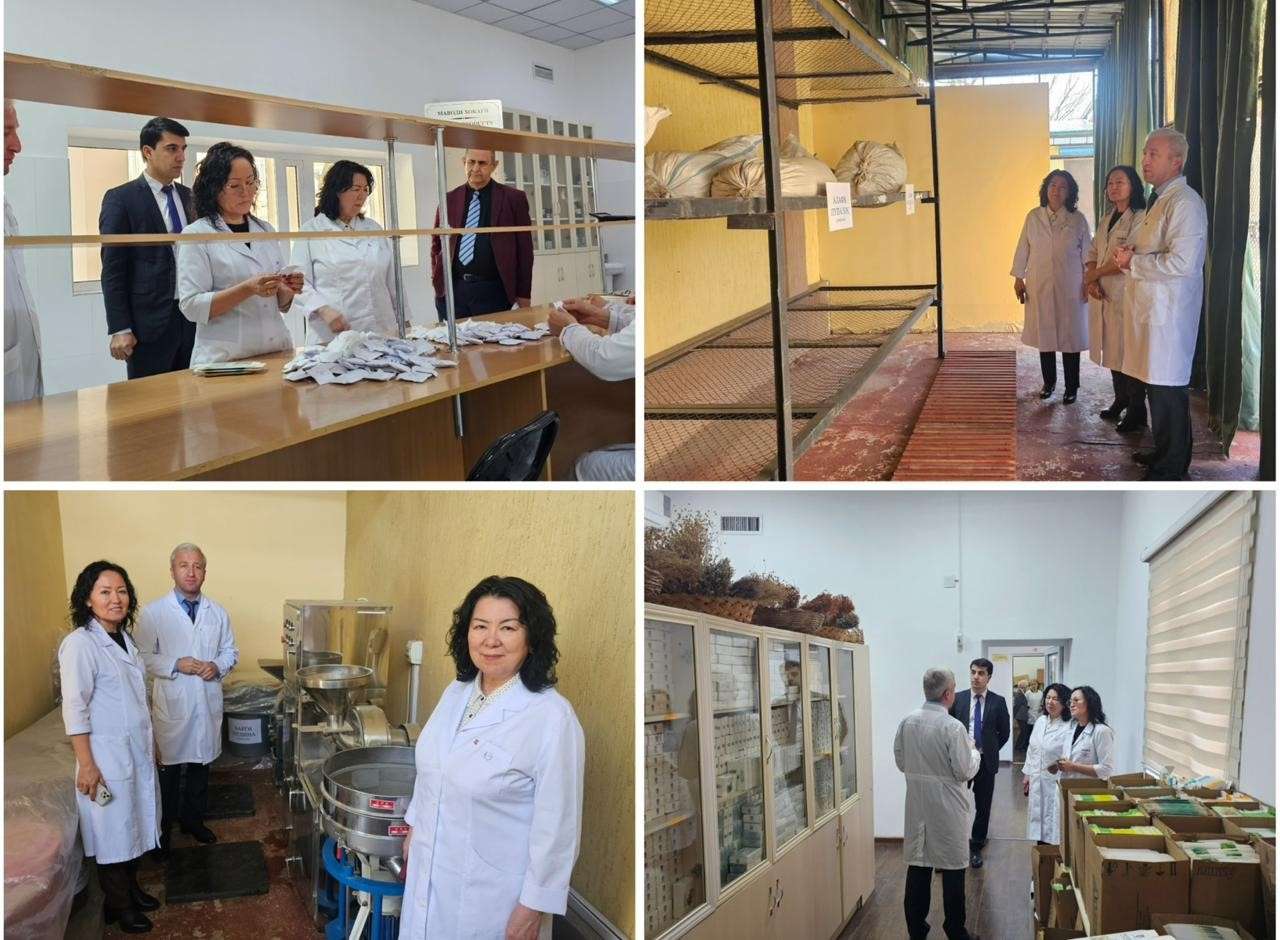
In accordance with the academic mobility program, a visit was made to the Educational, Scientific, and Production Center “Pharmacy,” where practice-oriented forms of learning are implemented. Lectures and masterclasses were conducted focusing on enhancing student learning motivation, techniques for obtaining aqueous extracts from medicinal plant raw materials, and the organization of student project activities.
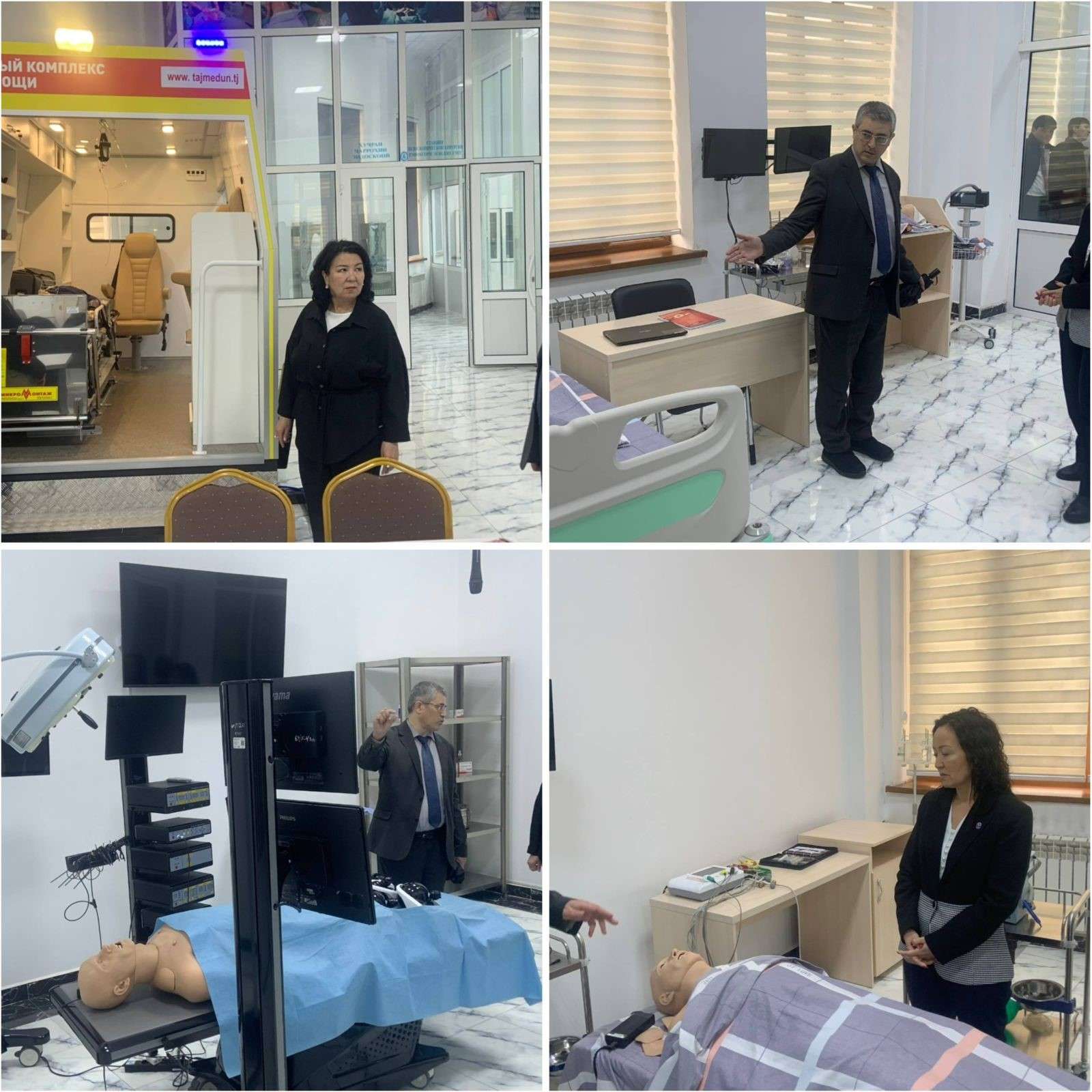
In addition, visits were made to the Practical Skills Center, which fosters the development of students’ professional competencies through simulation technologies, as well as to the university’s International Cooperation Department, where the key directions for the development of international educational and scientific partnerships were presented.
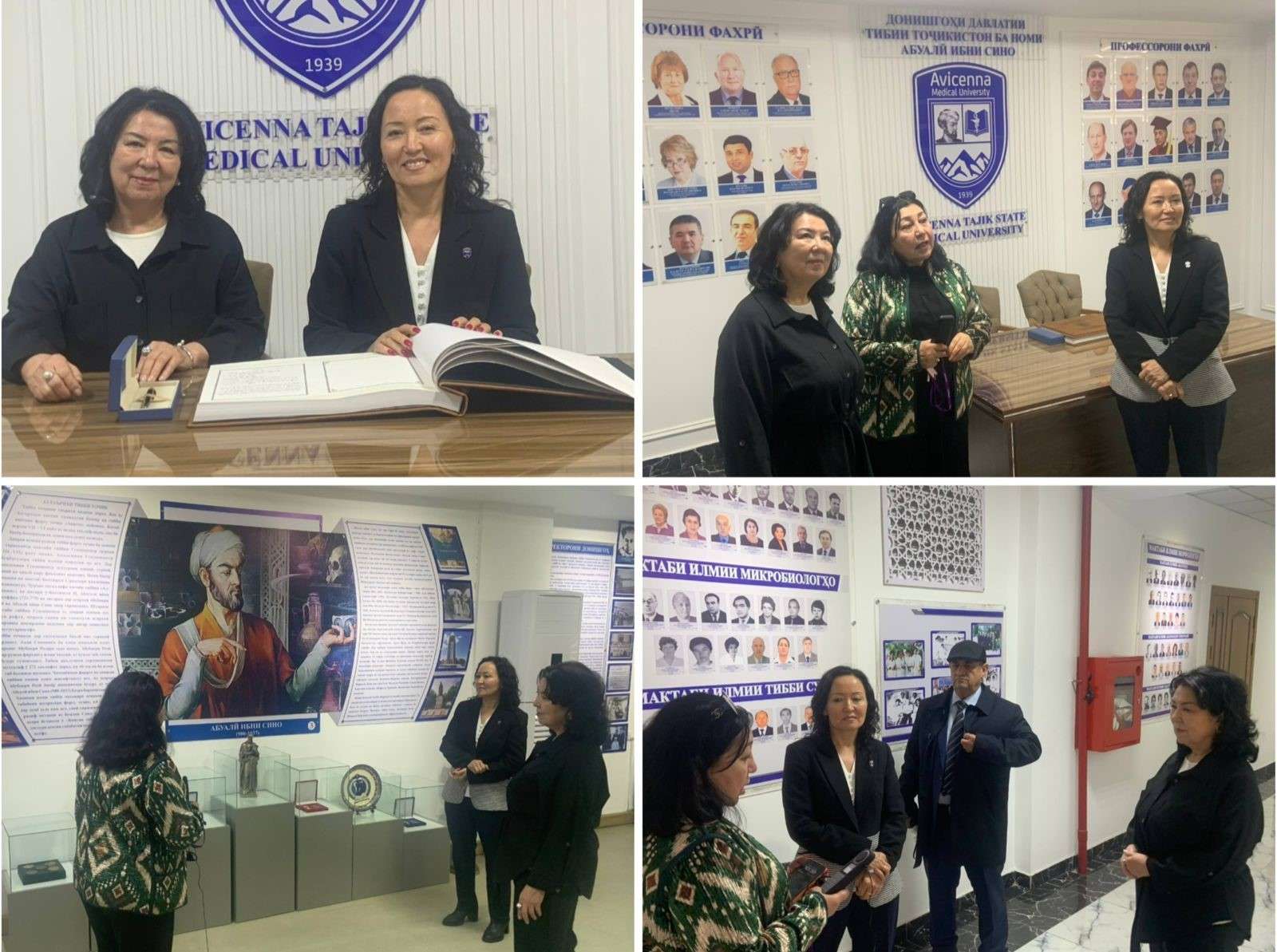
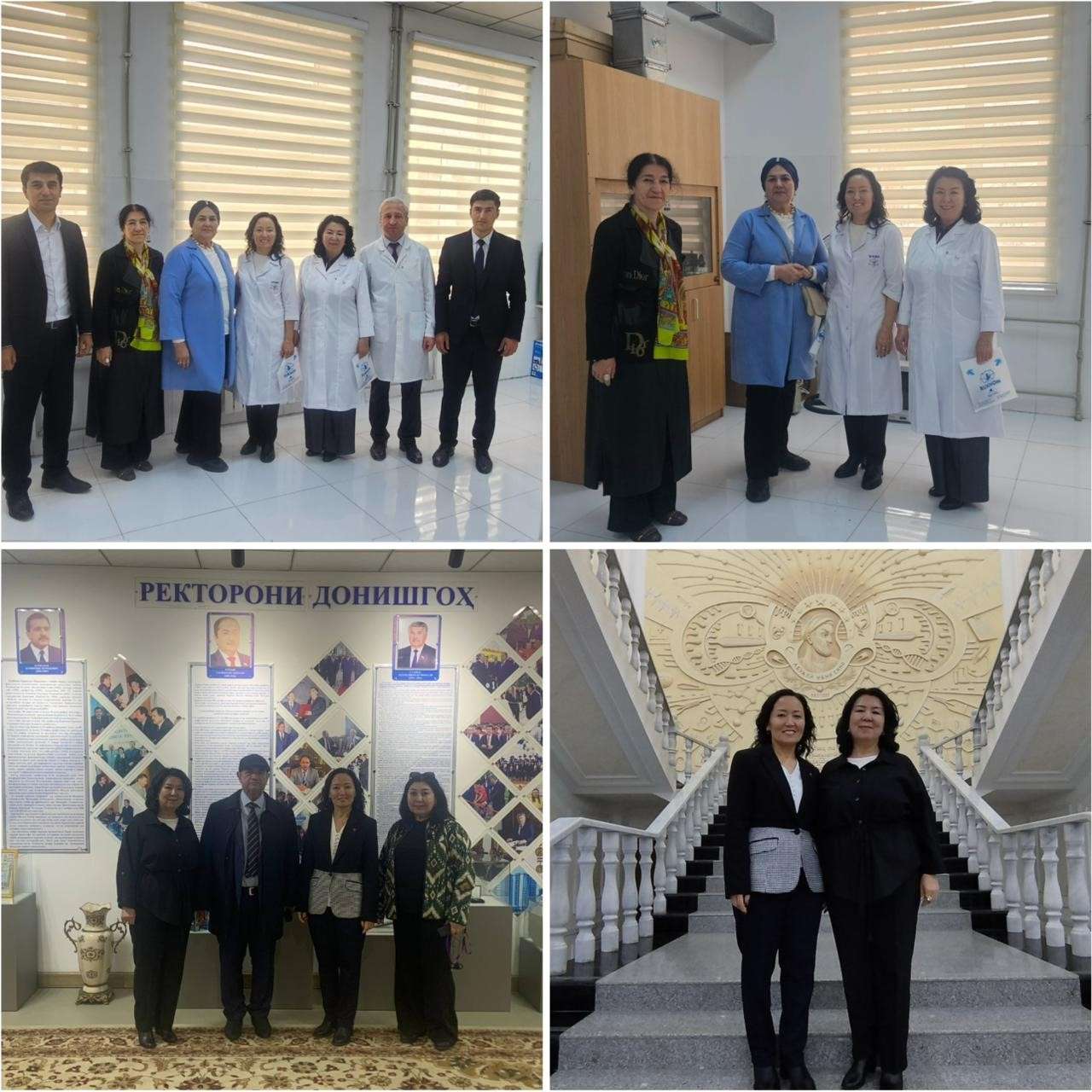
Visited the Avicenna Tajik State Medical University Museum. The exhibition was very impressive and allowed us to gain a deeper understanding of the university's history and achievements. We left our sincere wishes for the university's continued development, prosperity, and continued success in the guestbook.
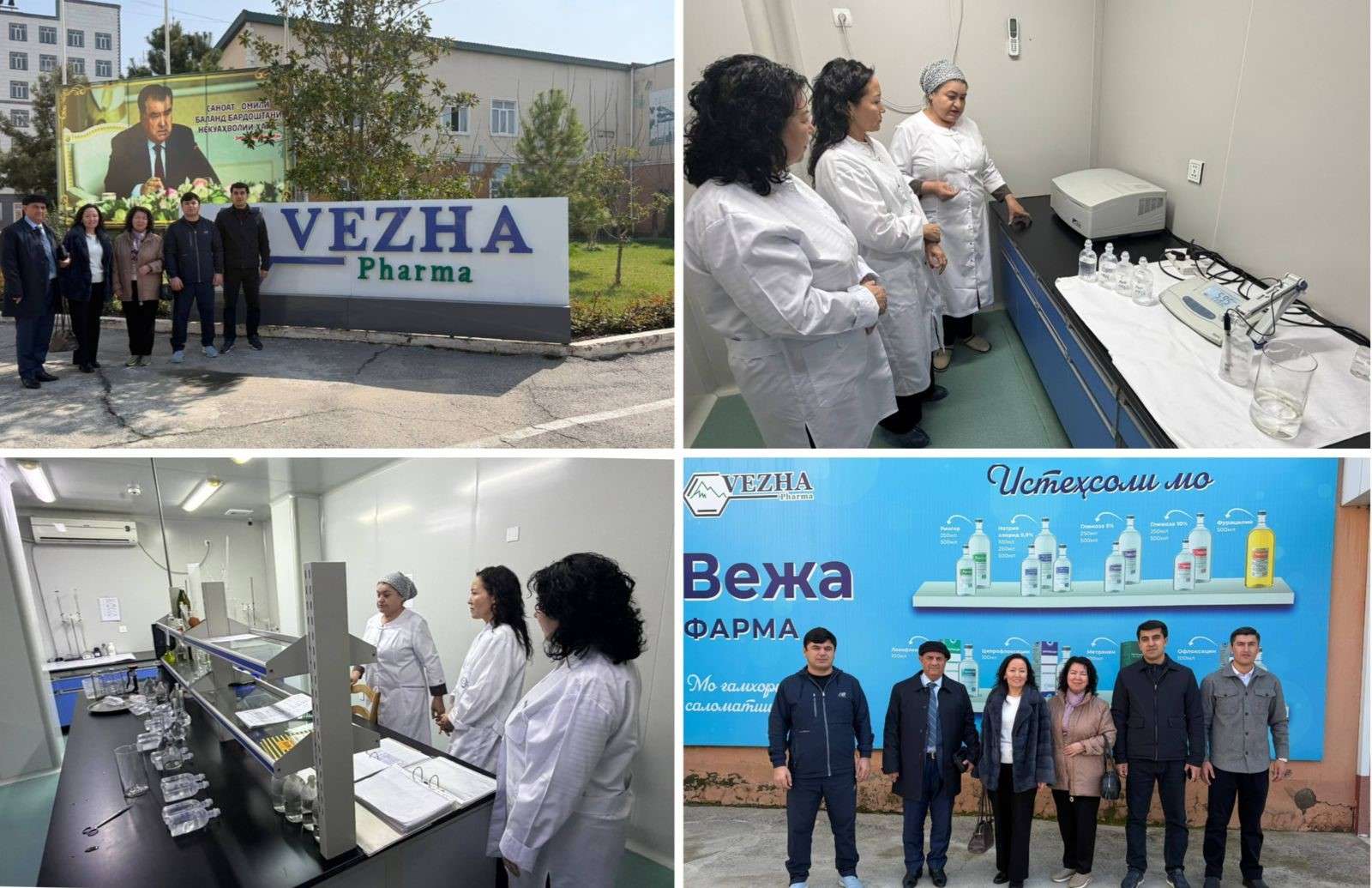
Visited Vezha Pharma. During the visit, we learned about the production process and the specifics of its products. The company manufactures infusion solutions and demonstrates modern approaches to pharmaceutical manufacturing.
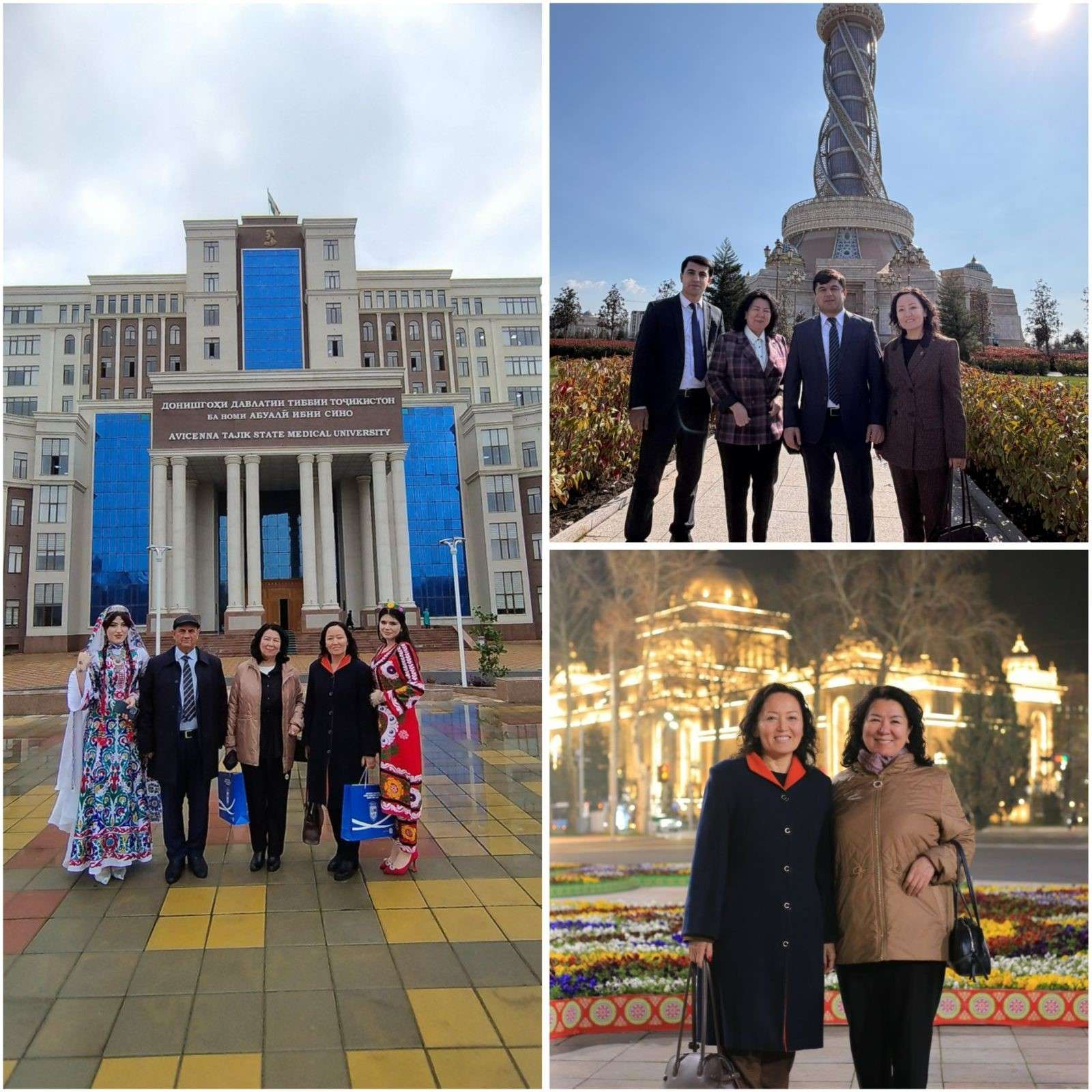
A tour of the Medical and Social Institute of Tajikistan was also held. During the visit, participants learned about the educational process, the facilities, and the main areas of specialist training. During an official meeting with the university's leadership, including the rector, Doctor of Medical Sciences, Professor N.D. Mukhiddin; the vice-rector for research and publishing activities, Doctor of Medical Sciences, Professor T.Sh. Ikromi; the dean of the Faculty of Pharmacy, PhD, Associate Professor Z.G. Gulmahmadzoda; and the head of the international department, Kh.N. Nazarzoda, strategic areas for further cooperation were discussed: academic exchange of students and faculty, practical training, internships for master's students, the implementation of joint research projects, scientific and practical conferences and symposia, and the involvement of leading scientists in scientific and educational activities.
During the meeting, a commemorative gift and a letter of thanks were presented to Zhanna Serikzhanovna Seitzhanova, Rector of the South Kazakhstan Medical Academy, and an invitation was extended to visit the university in the future. This meeting strengthened the partnership between the educational institutions and opened up prospects for further cooperation in the fields of medicine and pharmacy. Following the visit, the parties confirmed their mutual interest in developing long-term and sustainable cooperation aimed at integrating educational and scientific resources, improving the quality of training pharmaceutical specialists, and expanding international academic interaction. At the end of the visit, the faculty of the D.R. Khalifayev Department of Pharmaceutical Technology and the Department of Pharmacognosy and Pharmaceutical Economics at the Avicenna Tajik State Medical University expressed warm wishes and testified to the universities' continued active collaboration within the framework of the faculty and student academic mobility program. We express our sincere gratitude to the Dean of the Faculty of Pharmacy, Ph.D., Associate Professor Gulmakhmadzoda Zafar Gulmakhmad, Head of the Department of Pharmaceutical Technology named after Professor D.R. Khalifaeva, PhD, Associate Professor Sharifzoda Shahriyoru Bakhtiyoru, Head of the Department of Pharmacognosy and Organization of Pharmacy Economics, PhD, Associate Professor Shomirzoeva Omina Ismoilovna, Director of the Educational, Scientific and Production Center "Pharmacy", PhD, Associate Professor Safarzoda Ramazon Sharofiddin, Associate Professor of the Department of Pharmacognosy and Organization of Pharmacy Economics Rahabov Gadomad Odinaevich, Senior Lecturer of the Department of Pharmacognosy and Organization of Pharmacy Economics Boroniyev Nazarali Saboevich of the State Educational Institution " Abuali Ibni Sino Tajik State Medical University " for the warm welcome, high level of organization and the opportunity for productive interaction between universities.
We also express our gratitude to the management of the South Kazakhstan Medical Academy for this opportunity. We look forward to further strengthening our cooperation and implementing joint educational and scientific projects.