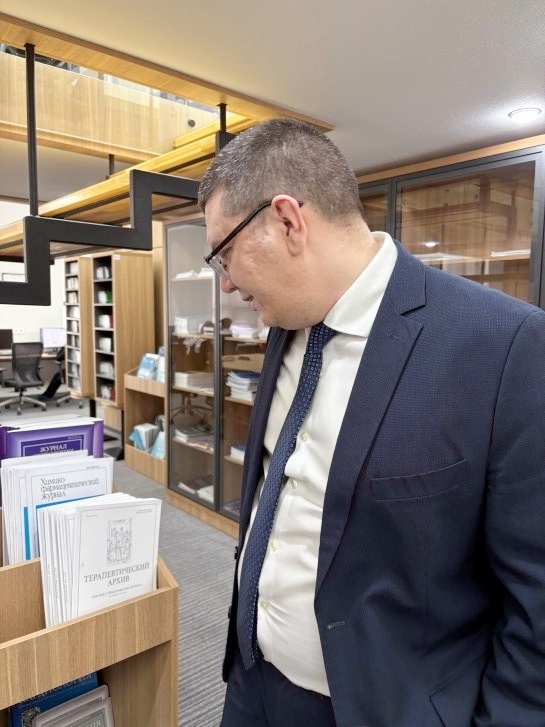
Expanding the Boundaries of Medical Education
South Kazakhstan Medical Academy (SKMA) consistently implements a strategy of educational internationalization, a key element of which is the Visiting Professor program. Within the framework of this program, the Academy was visited by a renowned scientist and clinician, Alexander Vladimirovich Samorodov—Doctor of Medical Sciences and Professor of the Department of Pharmacology at the Nelyubin Institute of Pharmacy, Sechenov University.
The visit took place from February 16 to February 27, 2026, and became a significant event for students, master's students, residents, and faculty members.
The primary goal of inviting Prof. Samorodov was to deepen international cooperation, gain insight into cutting-edge scientific developments and clinical practices, and improve the quality of the educational process by integrating international expertise. The visit program, prepared by the Department of Pharmacology, Pharmacotherapy, and Clinical Pharmacology, was aimed at addressing several vital tasks:
• Delivering lecture series for students of all educational levels.
• Conducting scientific seminars for faculty and young scientists.
• Providing advisory and expert support for ongoing research at the Academy’s departments.
Discussing prospects for joint publications and grant projects.
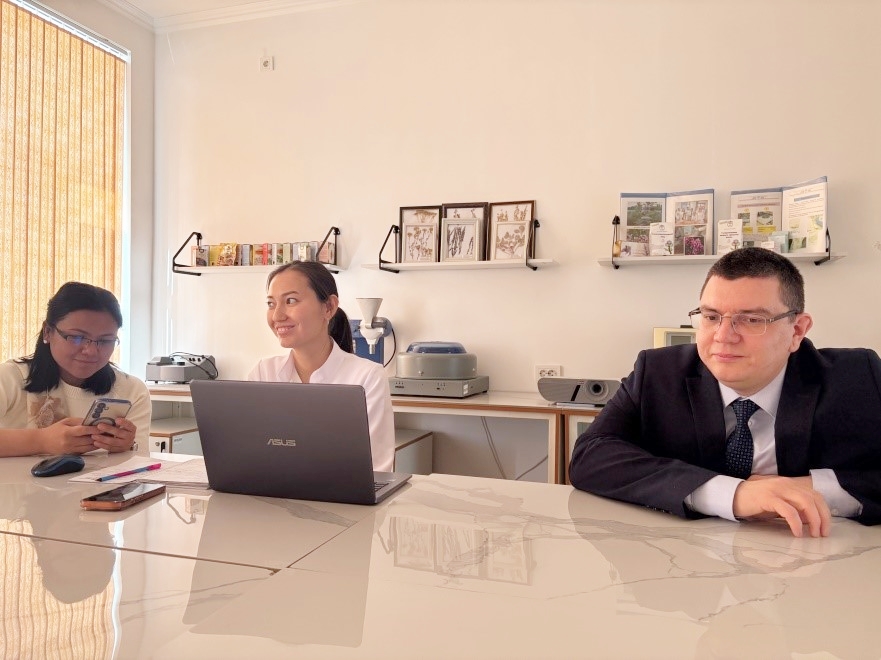
Prof. Samorodov’s stay at SKMA proved to be highly productive. The guest delivered a series of open lectures on "The Life Science Market: The Life Cycle of Medicines," which garnered significant interest from the audience.
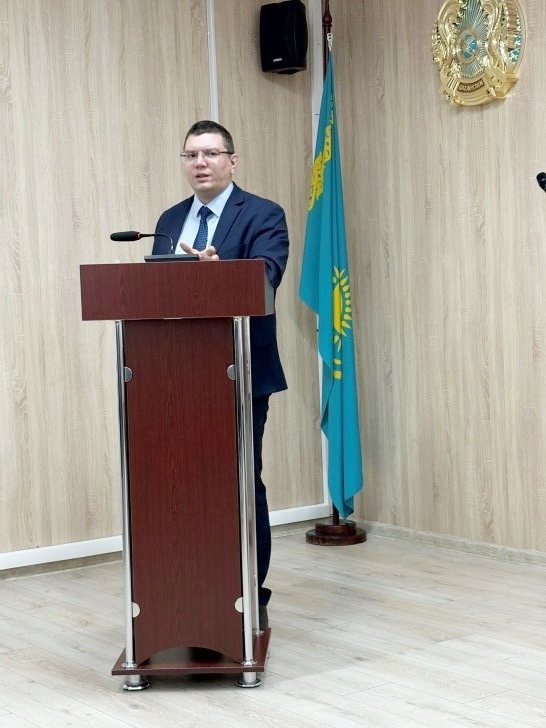
Master's students, residents, and faculty noted the clarity of the presentation of complex material and the valuable opportunity to engage with a leading foreign specialist.
During the visit, a series of working meetings were held with the Academy's leadership, deans, and heads of departments. Discussions focused on research prospects at the "Heart Center" clinics, the 2nd City Hospital, and the SKMA clinical-diagnostic laboratory.
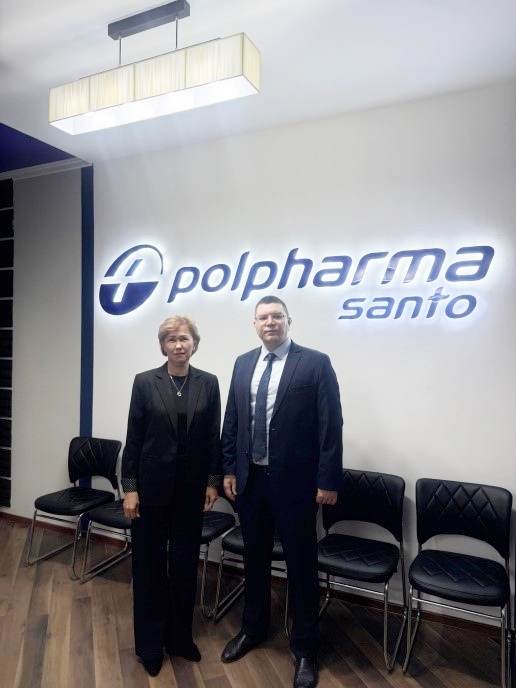
Particular attention was paid to publication activity and the possibilities of preparing joint applications for international grants.
The parties agreed to continue developing academic exchange, including internships for faculty and students, as well as conducting collaborative research projects.
The invitation of specialists like Prof. Samorodov is not merely an isolated event, but a crucial part of SKMA’s systematic efforts to integrate into the global educational and scientific space. For students, it is a unique "on-the-job" opportunity to learn about international standards and approaches. For faculty, it is a chance to find research partners and enhance their professional qualifications.