Modern stroke management strategies discussed at SKMA
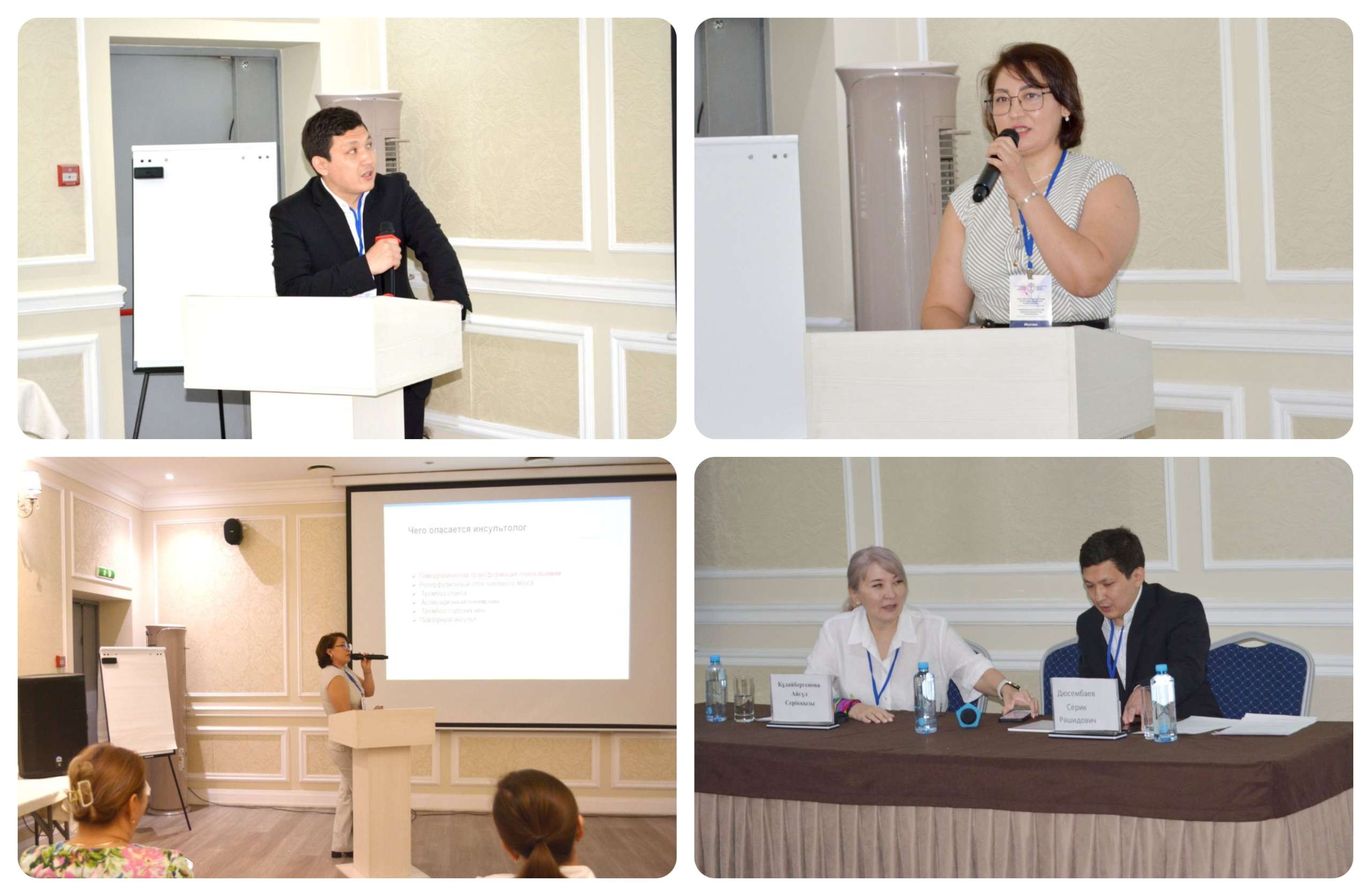
On June 13, 2026, the South Kazakhstan Medical Academy (SKMA) hosted the Regional Scientific and Practical Conference entitled «Modern strategies for the management of patients with stroke». The event, held in a hybrid online format at the Aidana Plaza Hotel, brought together leading neurologists, neurosurgeons, cardiologists, and rehabilitation specialists from across Kazakhstan.
The large-scale medical forum was organized by the Department of Neurology, psychiatry, rehabilitation medicine and neurosurgery of SKMA in cooperation with the Public Association «Association of neurologists of Southern Kazakhstan». The conference was opened by the Chairperson of the Association, Chief Neurologist of the Turkestan Region Health Department, Head of the specialized department at SKMA, candidate of medical sciences, professor Nazira Asanovna Zharkinbekova. In her welcoming remarks, she emphasized that developing unified interdisciplinary approaches to the treatment and rehabilitation of post-stroke conditions remains a critically important task for the national healthcare system.
The conference program was divided into three key thematic sections covering all stages of patient care:
1. Acute stroke management This section featured presentations by nationally recognized experts. G. Sh. Alipova, Chief Freelance Cardiologist of the Shymkent Health Department, delivered a report on stroke prevention in patients with atrial fibrillation. S. R. Dyusembayev, neurosurgeon at the National Center for Neurosurgery JSC (Astana), provided a detailed overview of comprehensive patient management following thrombectomy. Principles of reperfusion therapy and differential diagnosis of transient ischemic attacks were discussed by A. A. Yusupova, Head of the Stroke Center at Astana Multidisciplinary Hospital No. 2, and Professor N. A. Zharkinbekova. Comorbid risks associated with obesity and diabetes mellitus were highlighted by SKMA lecturer N. A. Yessenbekova.
2. Early Recovery and Neurorehabilitation
The session was moderated by A. S. Kudaibergenova, Candidate of Medical Sciences and Head of the Neurology and Neurorehabilitation Course at the Institute of Postgraduate Education of the Kazakhstan-Russian Medical University (Almaty), together with Associate Professor G. U. Tuqsanbayeva of SKMA. Speakers addressed contemporary therapeutic approaches during the early post-ischemic period and outlined the possibilities and limitations of rehabilitation potential.
3. Practical Solutions and Clinical Experience
Faculty members of SKMA, including Associate Professor G. A. Mustapayeva and Professor N. A. Zharkinbekova, analyzed less obvious barriers to neurorehabilitation, such as post-stroke asthenia, cognitive dysfunction, and spasticity syndrome. Particular interest among the academic community was generated by the practical component of the conference. A master class on imaging diagnostics of acute cerebrovascular disorders was conducted by neuroradiologist V. Sh. Navesova from the “Sunkar Premium” Clinic. An important educational element was the interactive discussion of real clinical cases prepared by the academy’s young researchers and residents (Akzhol D., Zhanadilov S., Muratuly K.) under the supervision of experienced mentors.
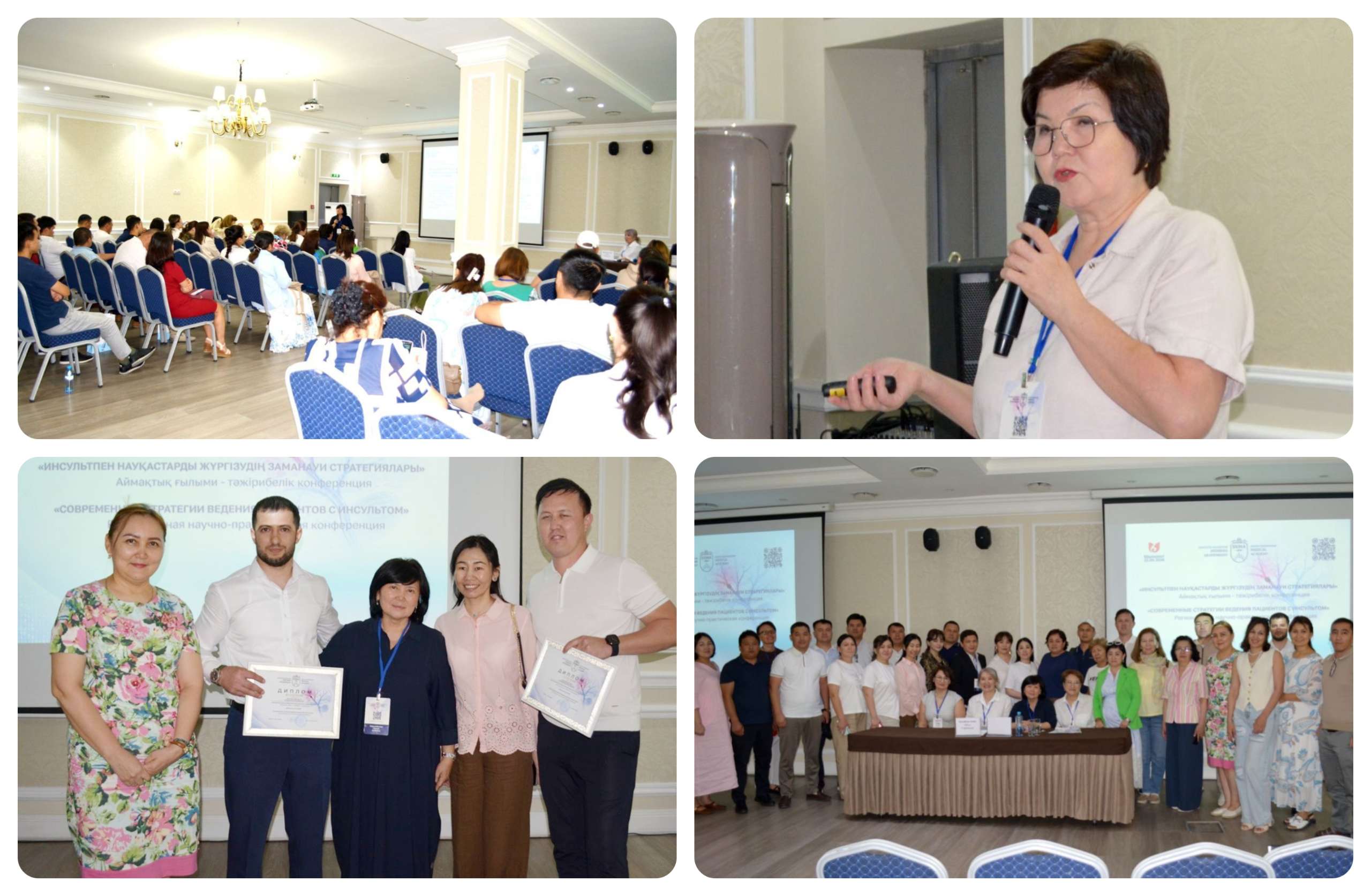
The conference concluded with an open discussion session, during which practicing physicians and trainees received answers to pressing professional questions and addressed the issue of physician burnout. The event ended with a ceremonial presentation of personalized certificates to participants. The Organizing Committee expressed its sincere gratitude to the conference partners for their support in hosting the forum.
The conference once again confirmed SKMA’s status as the largest regional scientific, educational, and coordinating center actively contributing to the professional development of healthcare specialists and the implementation of advanced treatment protocols in Kazakhstan’s healthcare system.