The Role of Interdisciplinary Workforce Training in Pharmacy for Sustainable Healthcare Development
Within the framework of the round table featuring the Educational and Methodological Association – Republican Educational and Methodological Council (EMA-REMC) and the Management Group for Pharmaceutical Education Programs of the EMA-REMC in the field of "Healthcare," held at the Asfendiyarov Kazakh National Medical University, leading experts in pharmaceutical education, science, and practical healthcare discussed contemporary challenges and prospects of workforce training for the pharmaceutical industry.
Welcoming remarks were delivered by Bagdat Sakenovna Imasheva, Deputy Chairperson of the Educational and Methodological Association of the REMC in the field of "Healthcare," Doctor of Biological Sciences, Professor (NJSC "Astana Medical University"). In her speech, she emphasized the importance of consolidating the efforts of universities, employers, and the professional community to enhance the quality of medical and pharmaceutical education amidst global changes in the healthcare system.
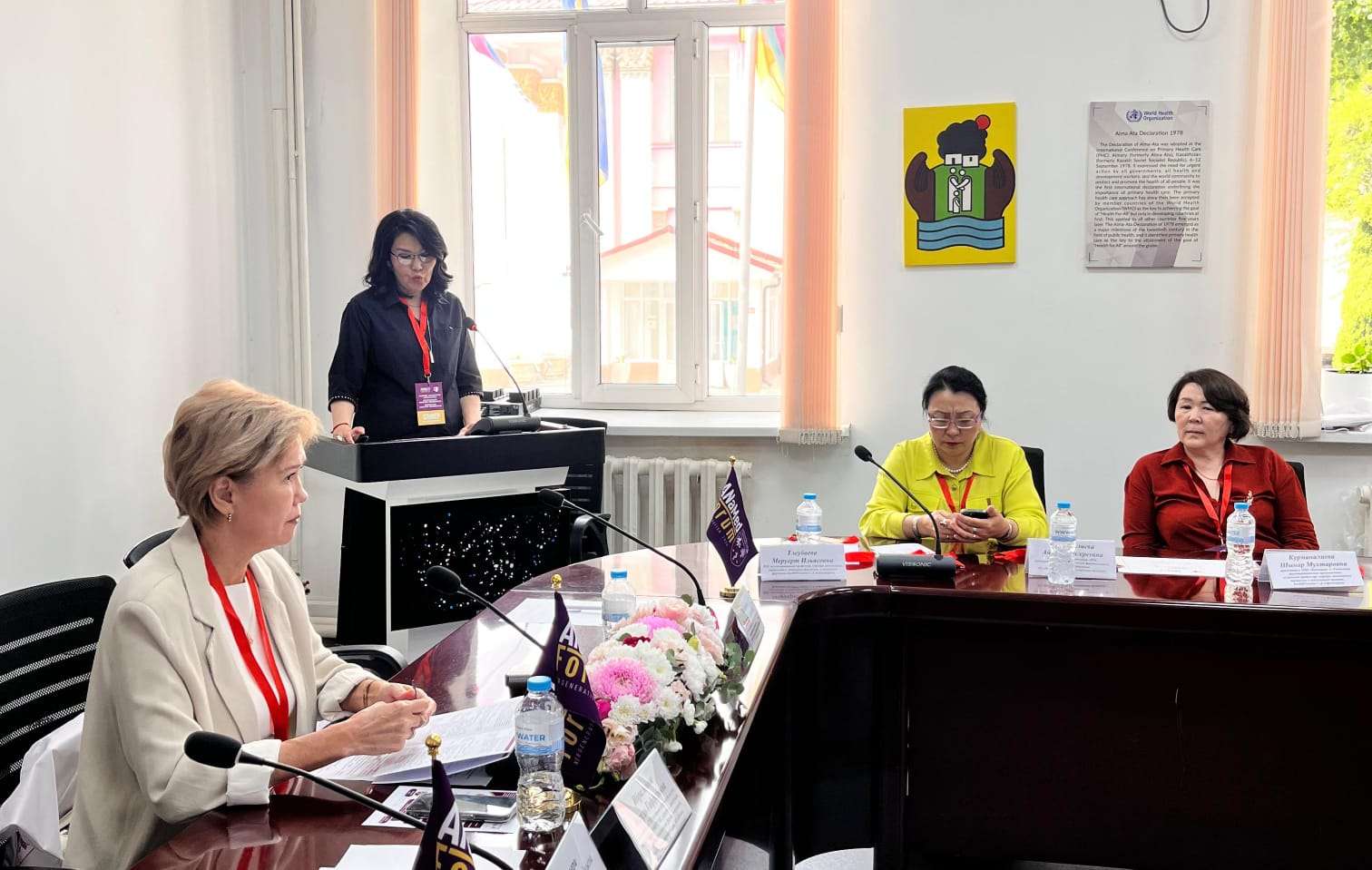
Aigul Gaffarovna Ibragimova, Chairperson of the Management Group for Pharmaceutical Education Programs of the EMA-REMC, Candidate of Pharmaceutical Sciences, and Head of the Department of Pharmacology, Pharmacotherapy, and Clinical Pharmacology at the South Kazakhstan Medical Academy, presented a report on improving the "Pharmacy" educational programs within the context of global trends and challenges faced by the world community. The report addressed the implementation of international educational standards, the digitalization of pharmaceutical education, the development of clinical pharmacy, and the formation of new professional competencies in future specialists.
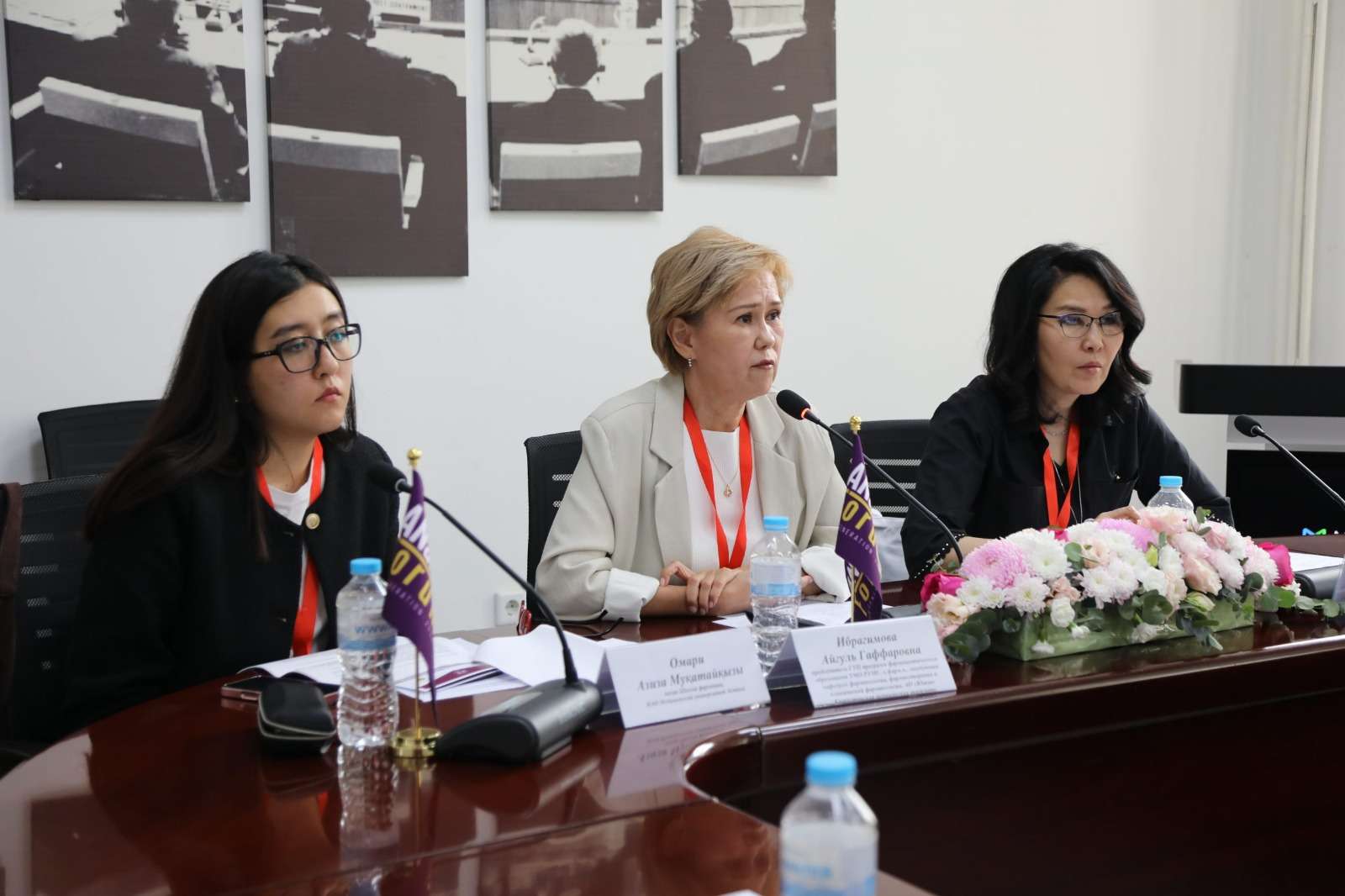
Meruert Ilyasovna Tleubayeva, PhD, Associate Professor of the Department of Organization, Management, and Economics of Pharmacy and Clinical Pharmacy, highlighted the multidisciplinary approach to personnel training within pharmaceutical education programs. The speaker stressed the necessity of integrating clinical, managerial, technological, and research competencies into the educational process.
Shynar Mukhtarovna Kurmanalieva, Chairperson of the Committee for Educational Programs (CEP) "Pharmacy" and "TPP" (Technology of Pharmaceutical Production), Assistant Professor of the Department of Engineering Disciplines and Good Practices at the Asfendiyarov Kazakh National Medical University, presented approaches to developing modern educational programs focused on training specialists for pharmaceutical manufacturing and implementing good practices in the industry.
Aziza Mukataikyzy Omari, representing Astana Medical University, delivered a presentation titled "Artificial Intelligence in the 'Pharmacy' Educational Program: From Digital Literacy to Safe Clinical Practice." The speech explored the prospects of utilizing artificial intelligence technologies, digital platforms, and data analysis in training modern pharmaceutical personnel.
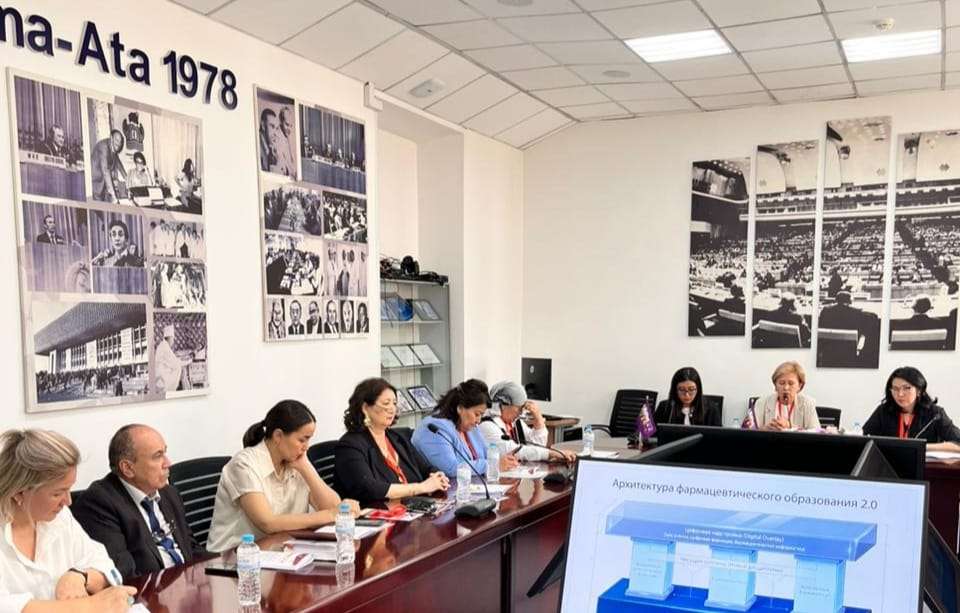
Particular attention was drawn to the report by Aigul Khangereyevna Baktygalieva, Head of the Clinical Pharmacology Department at the Research Institute of Cardiology and Internal Diseases, which was dedicated to the development of clinical pharmacy and the role of the pharmacist in ensuring rational pharmacotherapy. The speaker noted the significance of the clinical pharmacist in the safety and efficacy assurance system of drug therapy, as well as the need to strengthen the practical training of specialists in hospitals and clinics.
Following the meeting, the participants adopted a resolution aimed at the further modernization of pharmaceutical education, the development of digital pharmacy, the implementation of artificial intelligence, the expansion of practice-oriented learning, and the strengthening of international cooperation in workforce training for the healthcare system of the Republic of Kazakhstan.