The Pharmacy Research Center
The Pharmacy Research Center was established in October 2024. The Pharmacy Research Center is a structural unit of SKMA that integrates the research and educational potential of SKMA JSC in training modern and competitive specialists for the pharmaceutical industry.
The purpose of the pharmacy research center:
To consolidate the research infrastructure at SKMA JSC into a single unit with highly qualified personnel, providing fundamental, applied, and exploratory research for leading scientists and researchers, as well as specialists from other scientific and pharmaceutical organizations in the region.
The objectives of the Pharmacy Research Center are as follows:
- ensuring the implementation of exploratory, fundamental, and applied research by the departments and divisions of SKMA JSC, including within the framework of scientific projects;
- interacting with universities, scientific institutions, and pharmaceutical companies;
- producing and transferring knowledge and technologies to the pharmaceutical industry.
Areas of activity:
- conducting research work by teaching staff, doctoral students, master's students, and students of the Faculty of Pharmacy;
- ensuring the training of highly qualified specialists through master's and doctoral programs;
- providing analytical and scientific-methodological support for research, fundamental and applied work, including within the framework of scientific and technical projects and programs;
- promoting the development of SKMA JSC scientific schools in the most important areas of pharmaceutical science;
- organizing research internships for master's and doctoral students;
- organizing symposiums, seminars, and schools in the areas of the center's activities.
Contacts










‘Commodity analysis of medicinal plant raw materials’
Determination of moisture content in medicinal plant raw materials
Determination of the degree of grinding of medicinal plant raw materials
Determination of impurity content in medicinal plant raw materials
Determination of ash content in medicinal plant raw materials
Determination of extractive substances in medicinal plant raw materials
Macroscopic and microscopic analysis of medicinal plant raw materials
Determination of active substances contained in buckthorn bark by thin-layer chromatography
Quantitative determination of active substances in rowan flowers using photoelectric calorimetry
‘Phytochemical analysis of medicinal plant raw materials containing flavonoids’
Isolation of flavonoids contained in Hypericum perforatum by column chromatography
Conducting qualitative reactions for flavonoids in Hypericum perforatum
Determination of functional groups in the composition of Hypericum perforatum by IR spectrophotomrtry
Determination of the quantitative content of rutin in Hypericum perforatum using photoelectrocolorimetry
Method for obtaining biologically active substances from plant raw materials
Physicochemical methods of analysis of medicinal plant materials
Physicochemical method of spectrophotometry in the analysis of medicinal plant raw material extracts
Physicochemical method of refractometry in the analysis of medicinal plant raw materials
Physicochemical method of IR spectroscopy in the analysis of medicinal plant raw material extracts
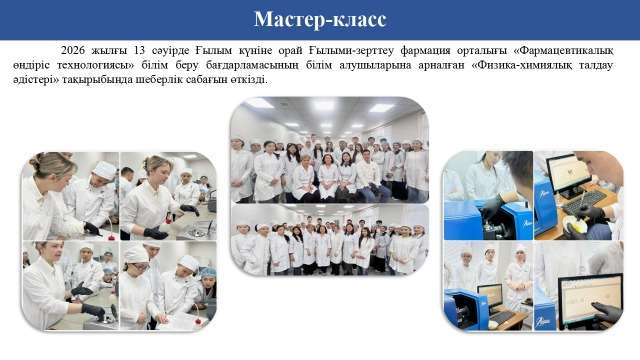
On April 13, 2026, in celebration of Science Day, the Pharmacy Research Center conducted a master class entitled "Physicochemical Methods of Analysis" for students enrolled in the Pharmaceutical Manufacturing Technology educational program.
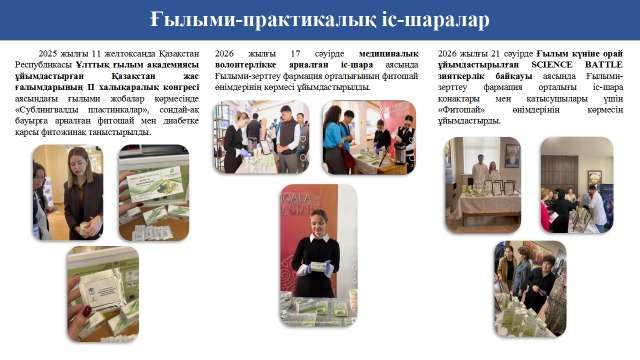
On December 11, 2025, at the 2nd International Exhibition of Young Scientists' Research Projects, organized by the National Academy of Sciences of the Republic of Kazakhstan, the research project "Sublingual Plates" was presented, along with herbal teas developed for diabetes management.
On April 17, 2026, as part of the Medical Volunteer Week, the Pharmacy Research Center organized an exhibition of its herbal tea products.
On April 21, 2026, in celebration of Science Day, the Pharmacy Research Center organized an exhibition of herbal tea products for participants and visitors during the SCIENCE BATTLE intellectual competition.
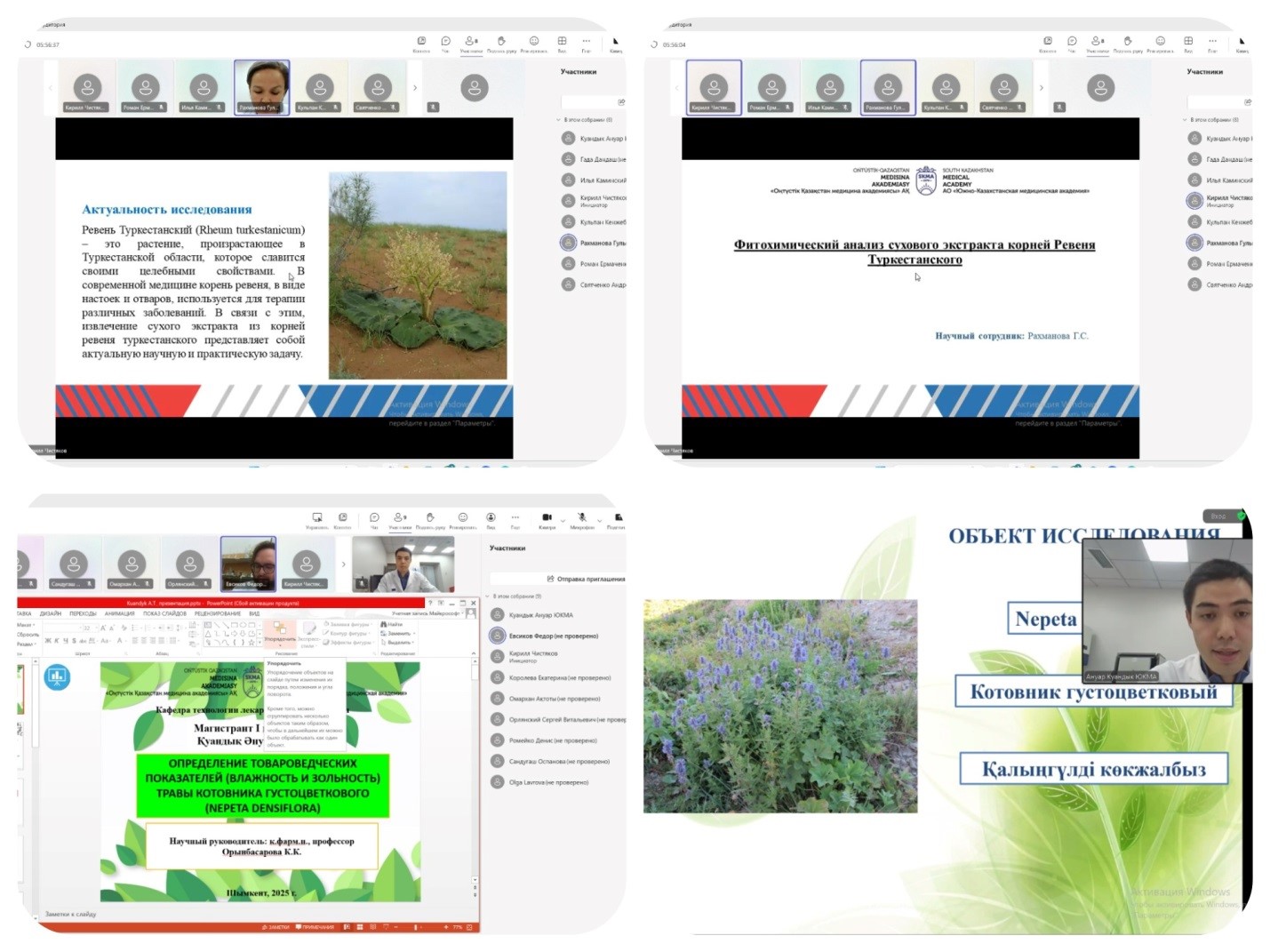
Online presentations took place at the XXVI International Congress "FITOFARM-2025", held October 8–10, 2025, at the St. Petersburg State Chemical-Pharmaceutical University (St. Petersburg, Russia).
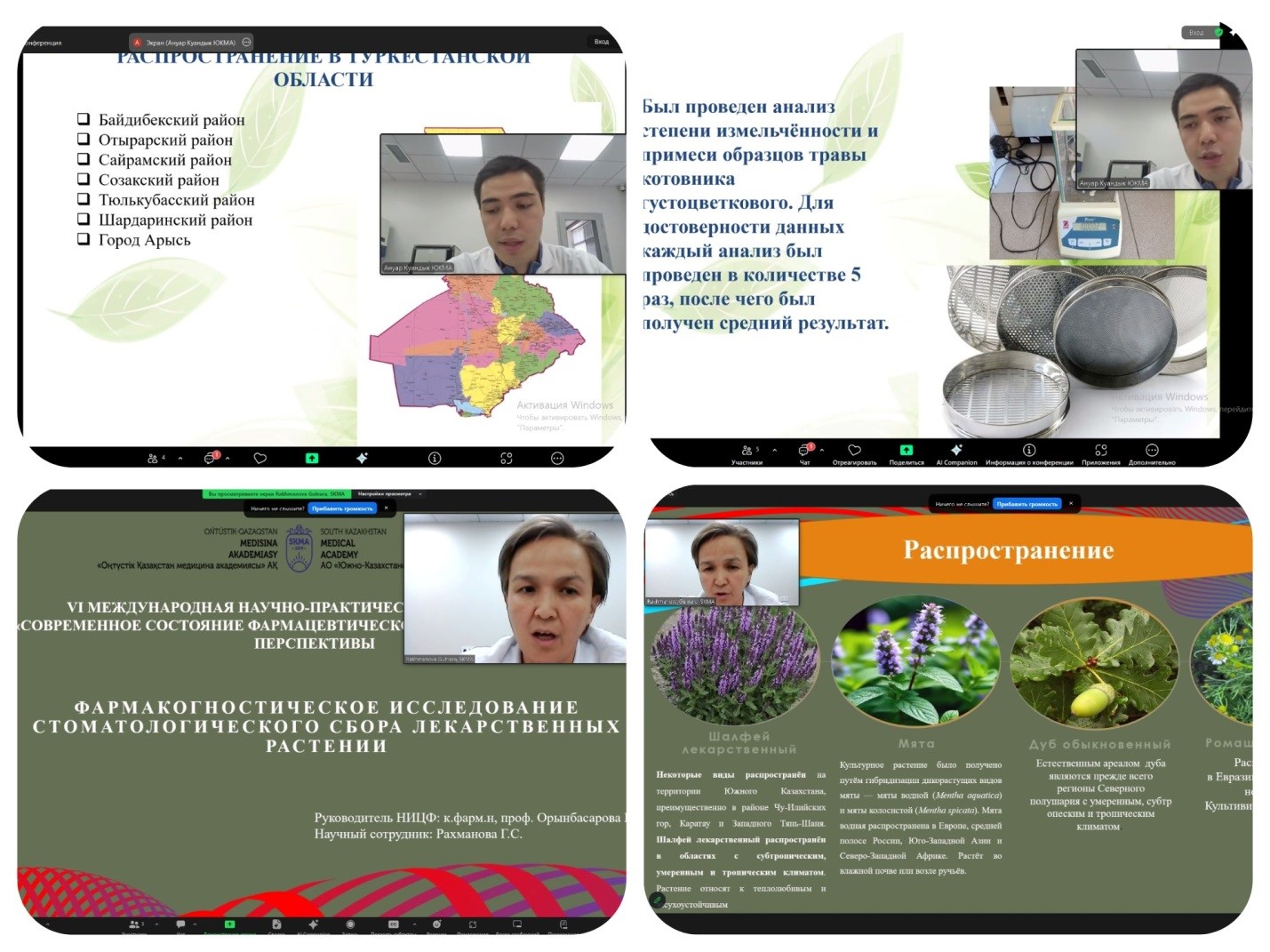
The center's staff presented their research at the International Scientific and Practical Conference "The Current State of the Pharmaceutical Industry: Problems and Prospects," which was held on October 17, 2025, at the Tashkent Pharmaceutical Institute (Tashkent, Republic of Uzbekistan).
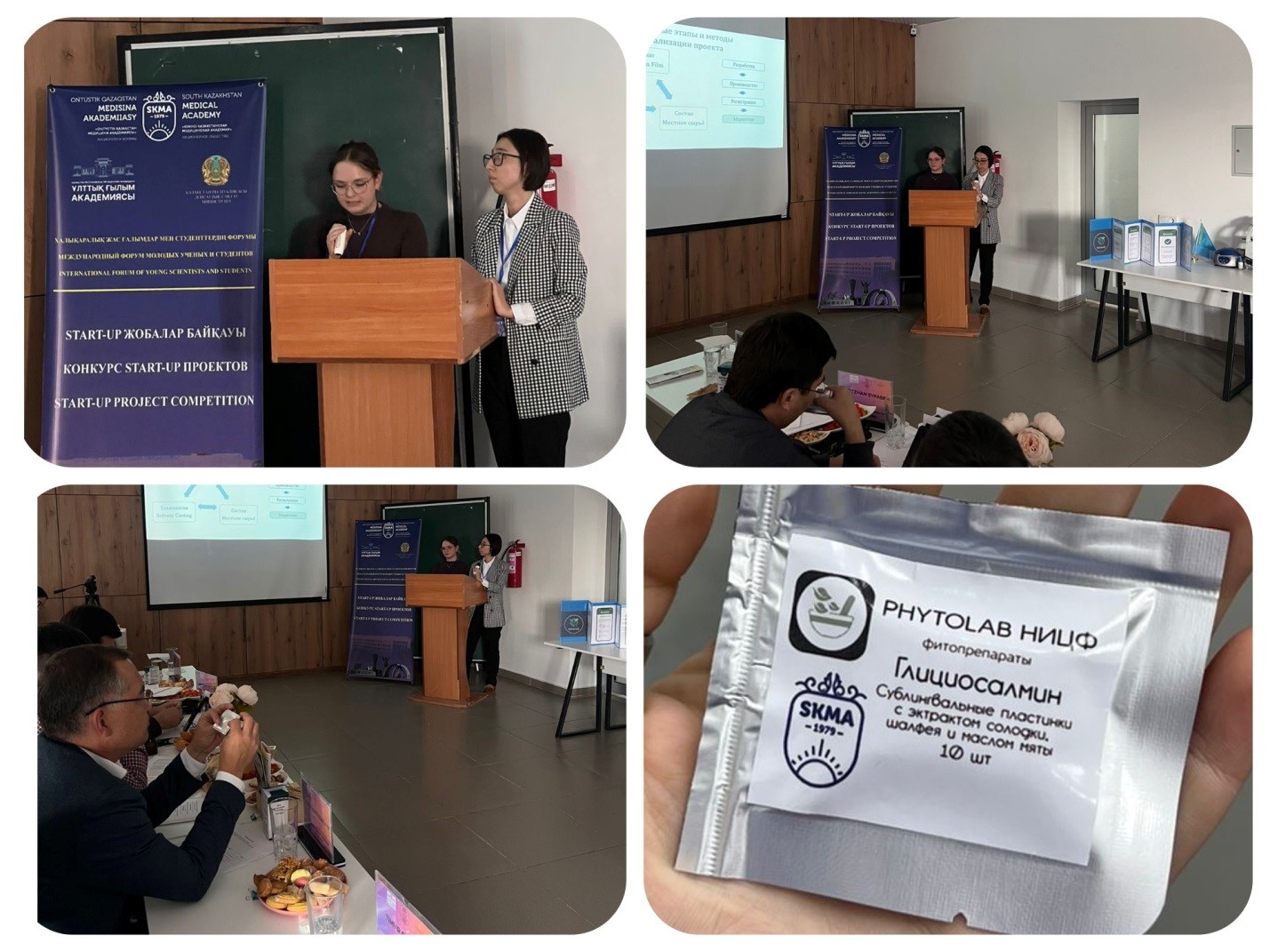
On October 16, 2025, S. A. Mamyrov and A. D. Rybakov, employees of the center, took part in the 3rd International Forum of Young Scientists and Students at the South Kazakhstan Medical Academy (Shymkent, Republic of Kazakhstan), where a startup project competition was held. Participants presented an innovative product: sublingual tablets made from licorice, sage, and mint.
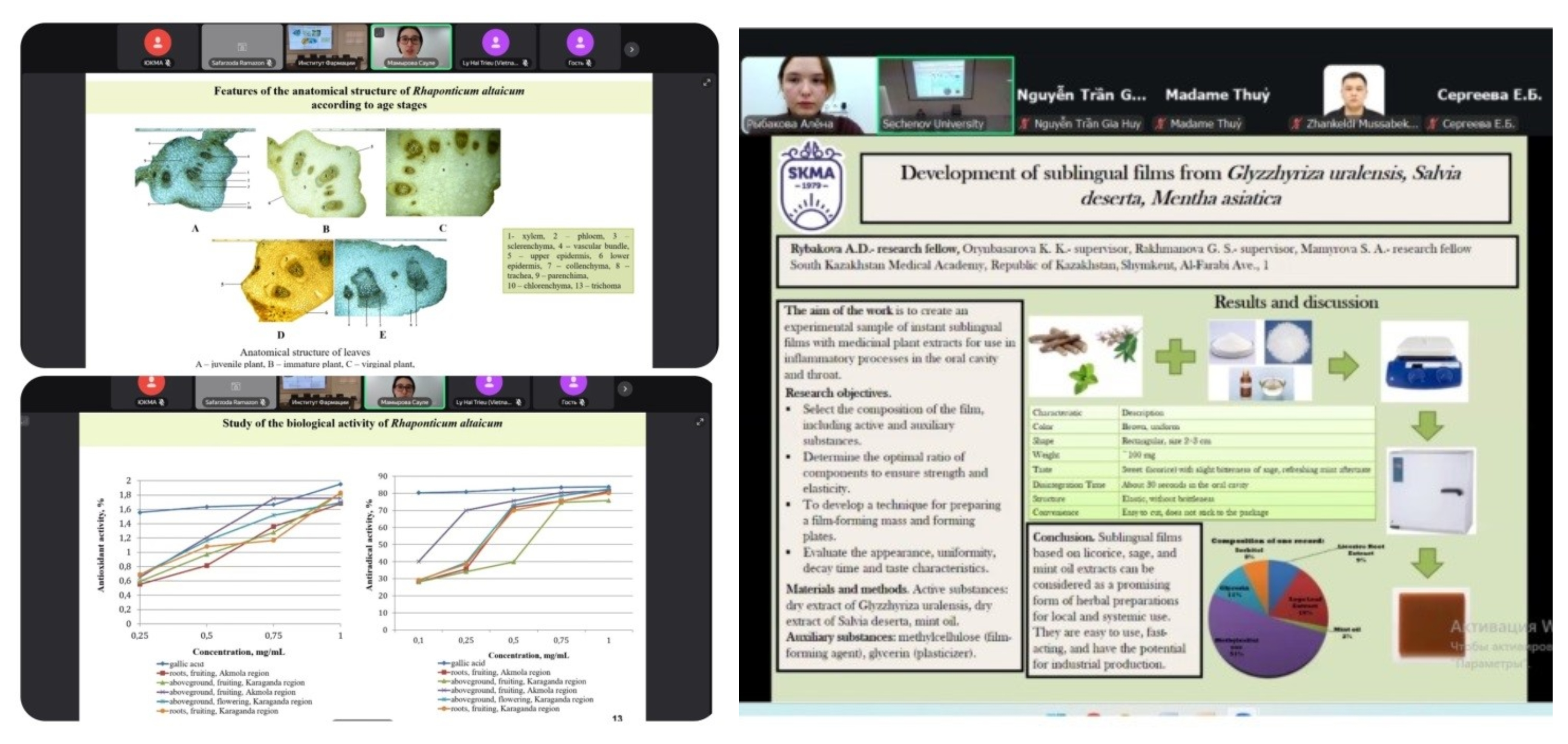
On October 24, 2025, the research staff presented at the II International Conference "Innovative Medicines: From Molecule to Patient," held at the A.P. Nelyubin Institute of Pharmacy at Sechenov University (Moscow, Russia).

On October 24, 2025, we took part online in the 1st Republican scientific and practical conference "Modern Pharmacy: Research, Practice and Results", organized by the Pharmaceutical Institute of Education and Research (Tashkent, Republic of Uzbekistan).
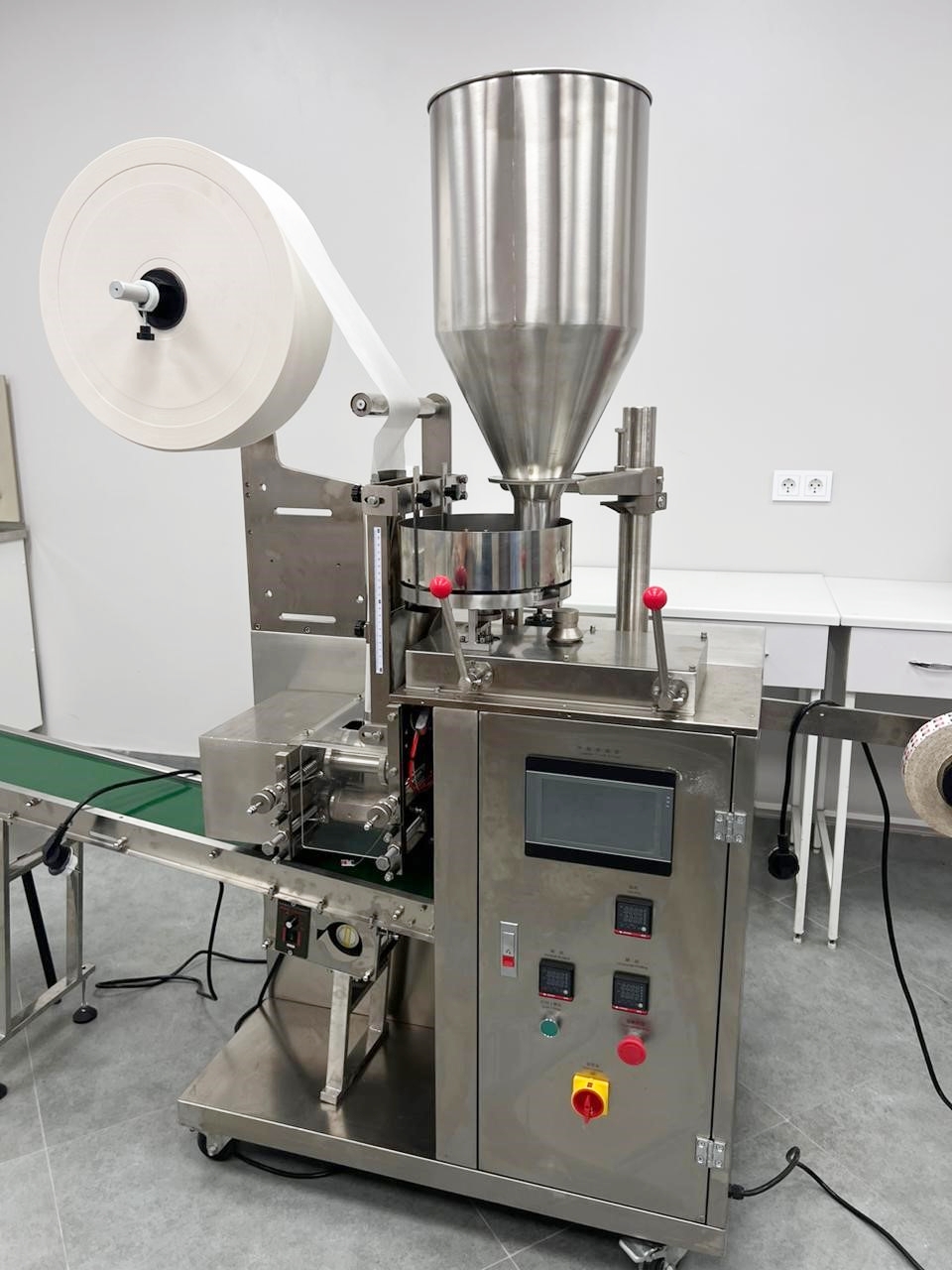
Packaging machine for herbal teas
A packaging machine for herbal teas is a piece of equipment designed for dosing and packaging crushed plant material into filter bags or sachets. The machine ensures hermetic sealing of the bags and high productivity while preserving the quality and aroma of the herbal raw materials.
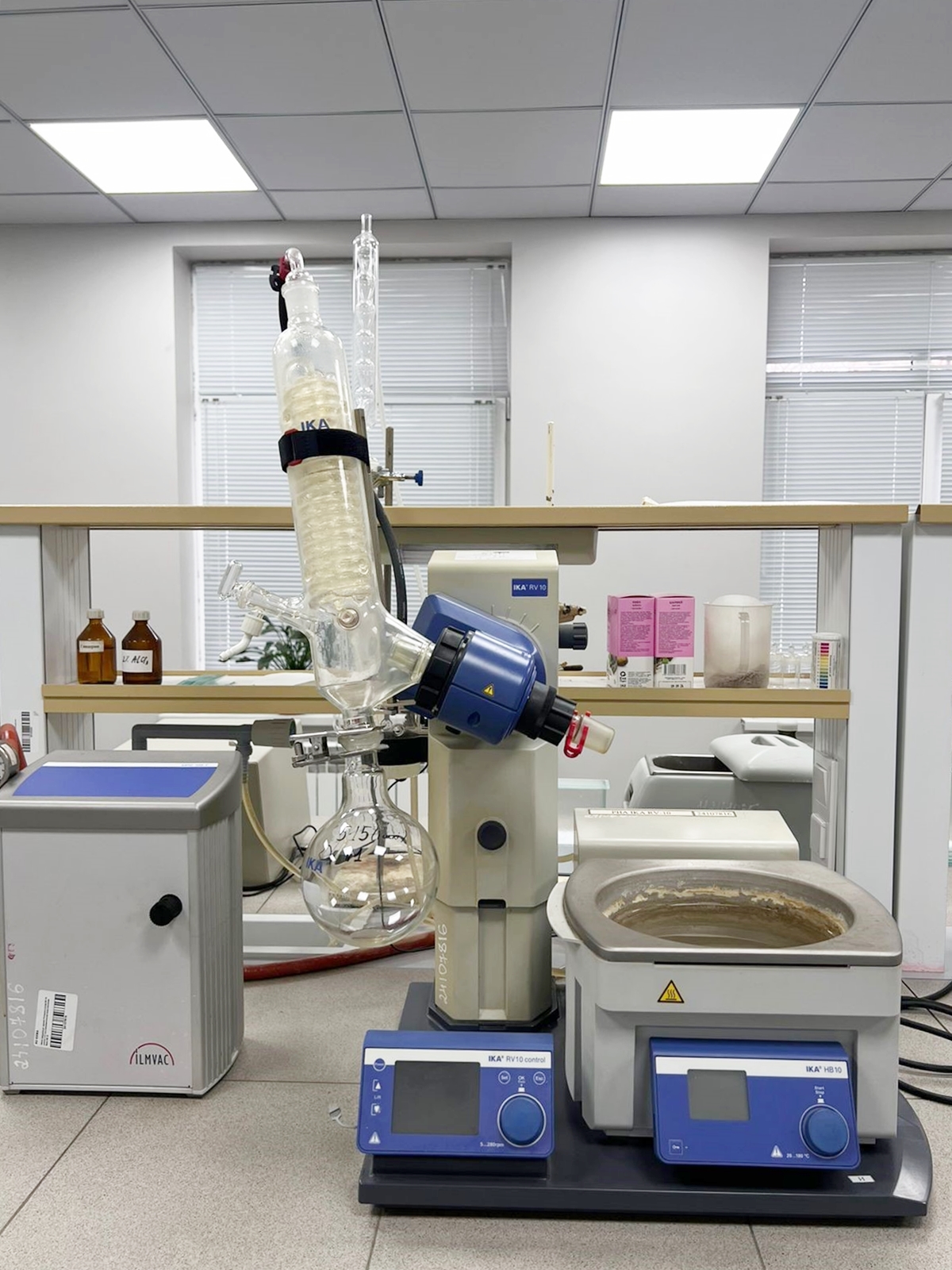
Rotary evaporator
A rotary evaporator is laboratory equipment designed for the gentle removal of solvents from solutions under reduced pressure. The principle of operation is based on the rotation of the flask with the solution in a water bath, which accelerates evaporation by increasing the surface area and uniform heating. A cooled condenser ensures the condensation of solvent vapours and their collection in a receiving flask. It is used for the extraction of raw materials.
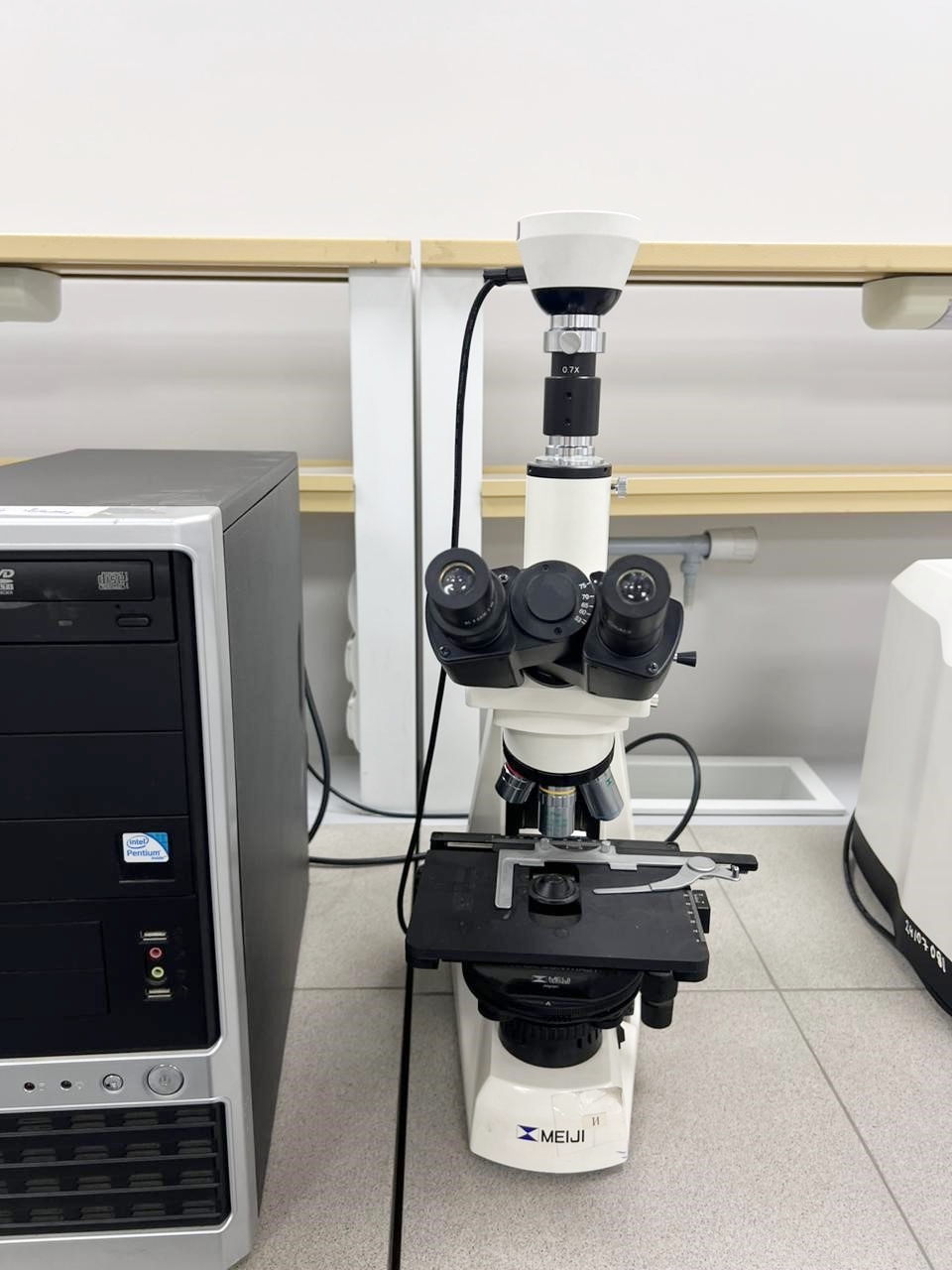
Meiji Techno trinocular microscope
This trinocular microscope is a high-quality laboratory instrument with three optical channels: two eyepieces for visual observation + a third port for photo/video recording. It is used to obtain high-resolution microscopic images of medicinal plant micro-preparations.
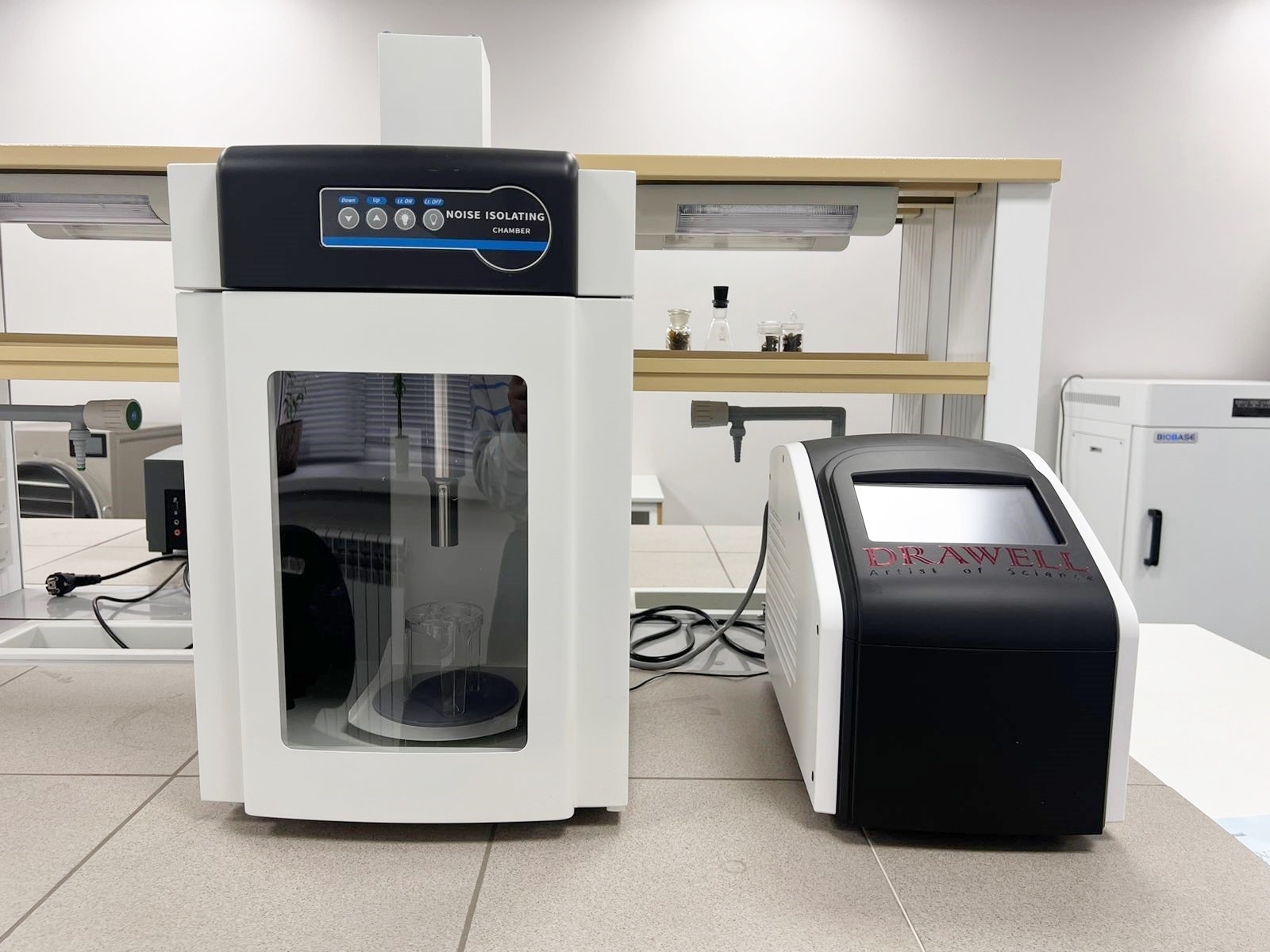
Homogeniser
A homogeniser is a piece of laboratory equipment used in pharmaceutical technology to obtain homogeneous suspensions, emulsions and mixtures. The device ensures uniform distribution of active substances and auxiliary components through intensive mixing and grinding. It is used in the development and production of soft dosage forms, tinctures, extracts and other herbal preparations, increasing the stability and quality of the finished product.
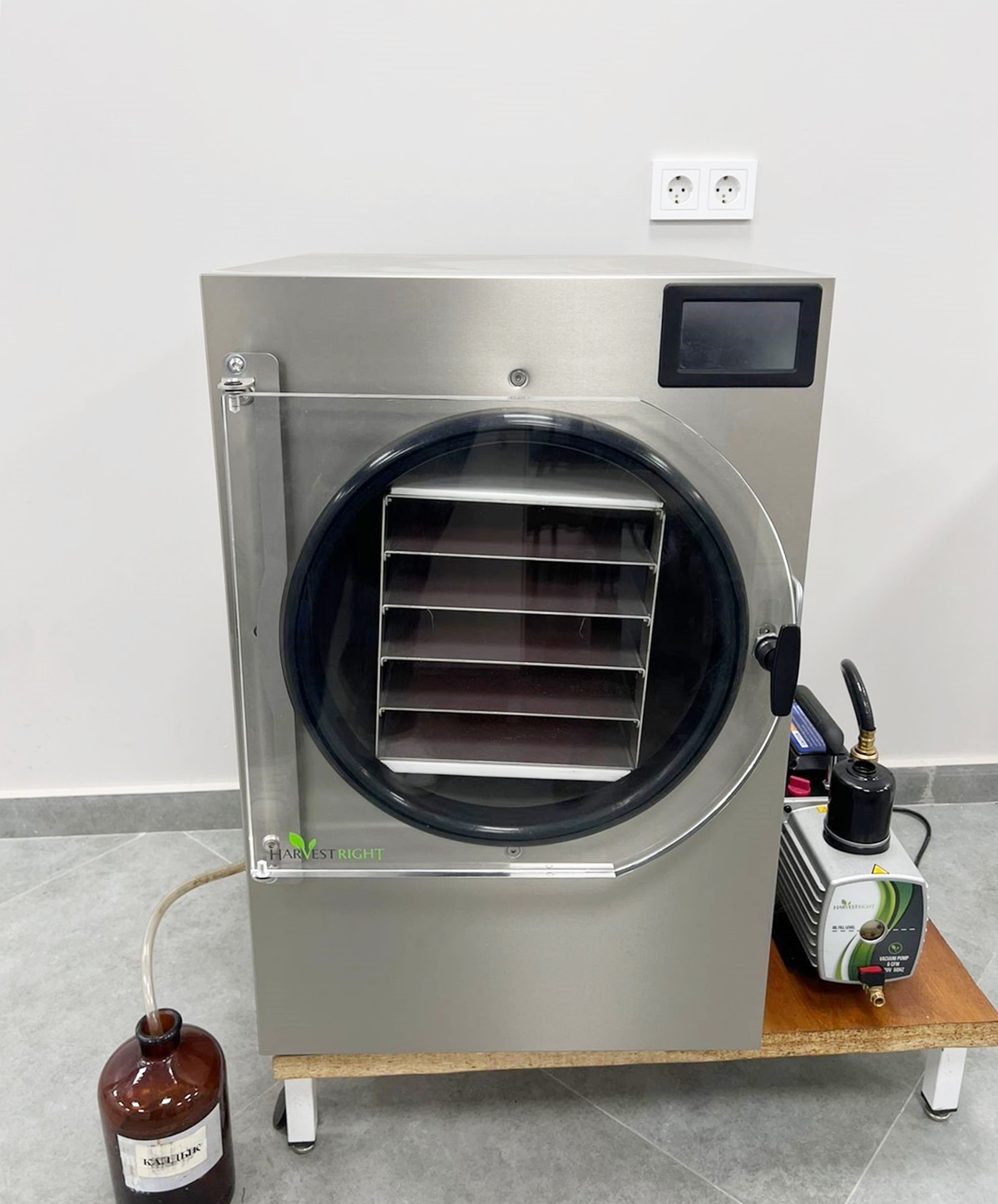
Freeze dryer
A freeze dryer (lyophiliser) is laboratory or industrial equipment designed to remove moisture from products by sublimation: first, the material is frozen, then the water contained in the sample transitions from a solid phase (ice) directly to a gaseous phase, bypassing the liquid phase, under the influence of vacuum and heating.
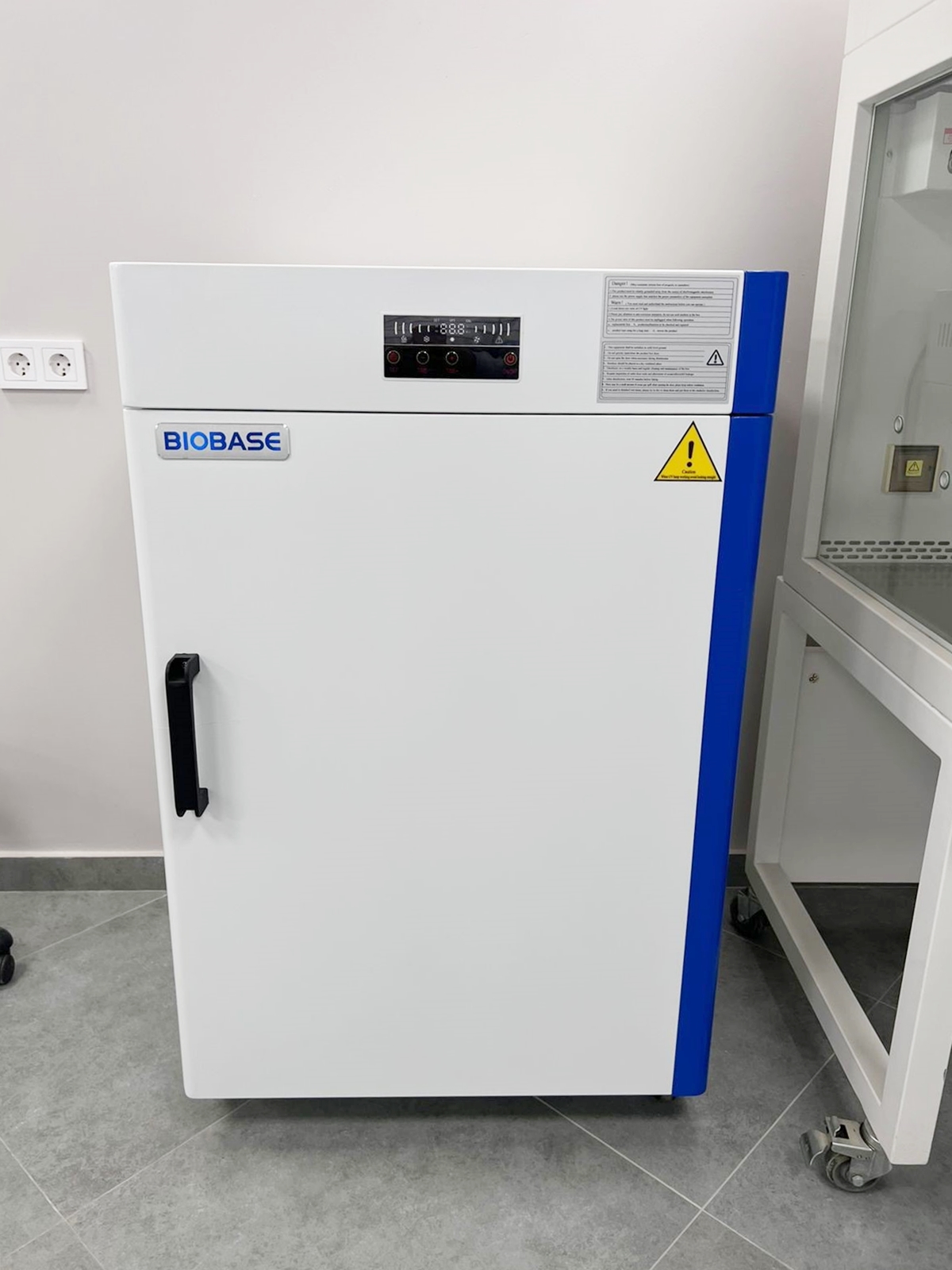
Ozone and UV sterilizer
An ozone and UV steriliser is a compact cabinet (chamber) with a metal inner body, equipped with a UV-C lamp and an ozone generator. When in operation, the UV-C light destroys microorganisms on accessible surfaces, while ozone penetrates hard-to-reach areas and oxidises microorganisms and their shells.
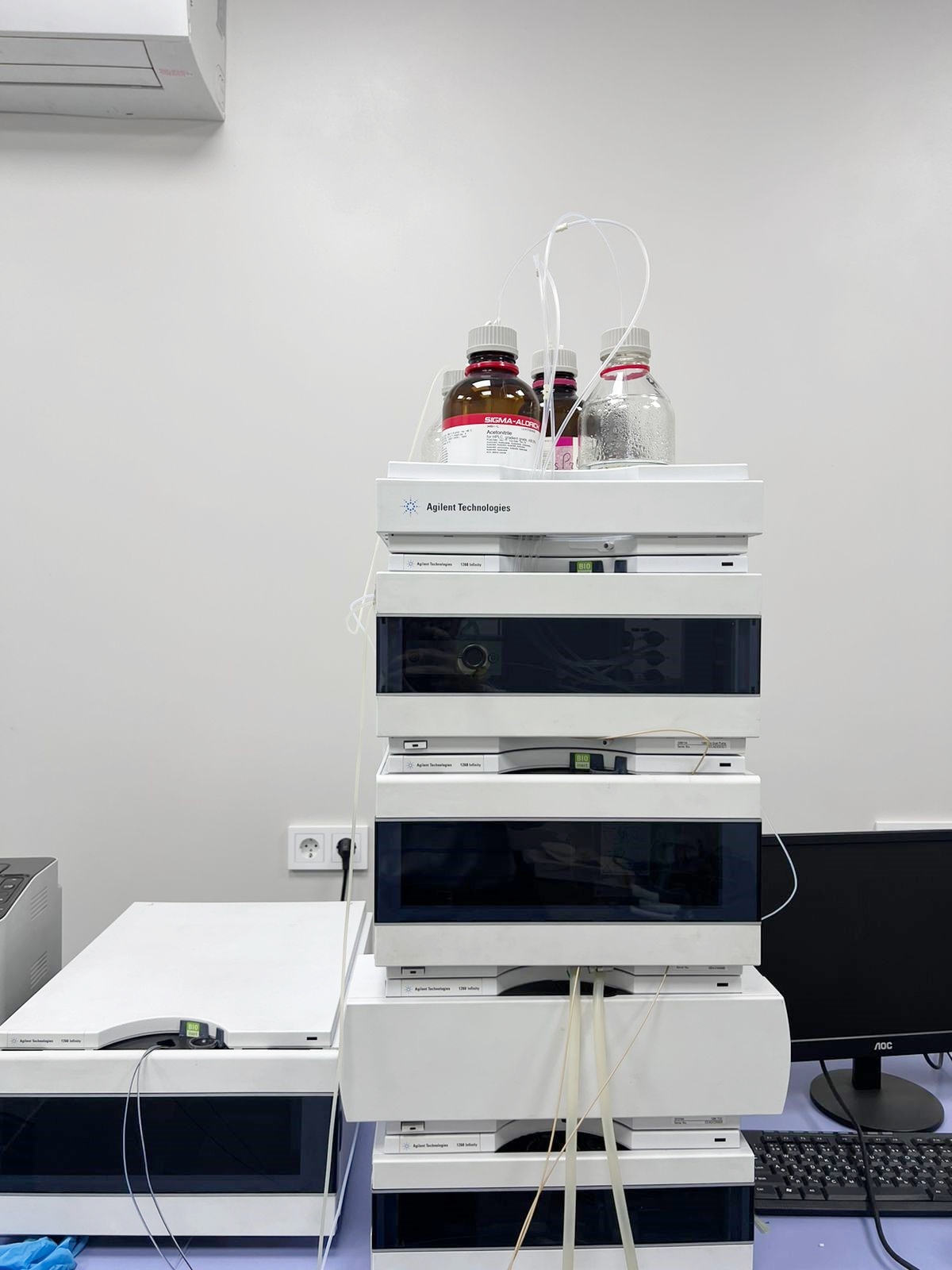
Agilent HPLC
An HPLC (high-performance liquid chromatograph) is an analytical device designed to separate, identify, and quantify substances in complex mixtures. It is used in pharmaceutical, chemical and biological research to analyse active substances, impurities and plant extracts.
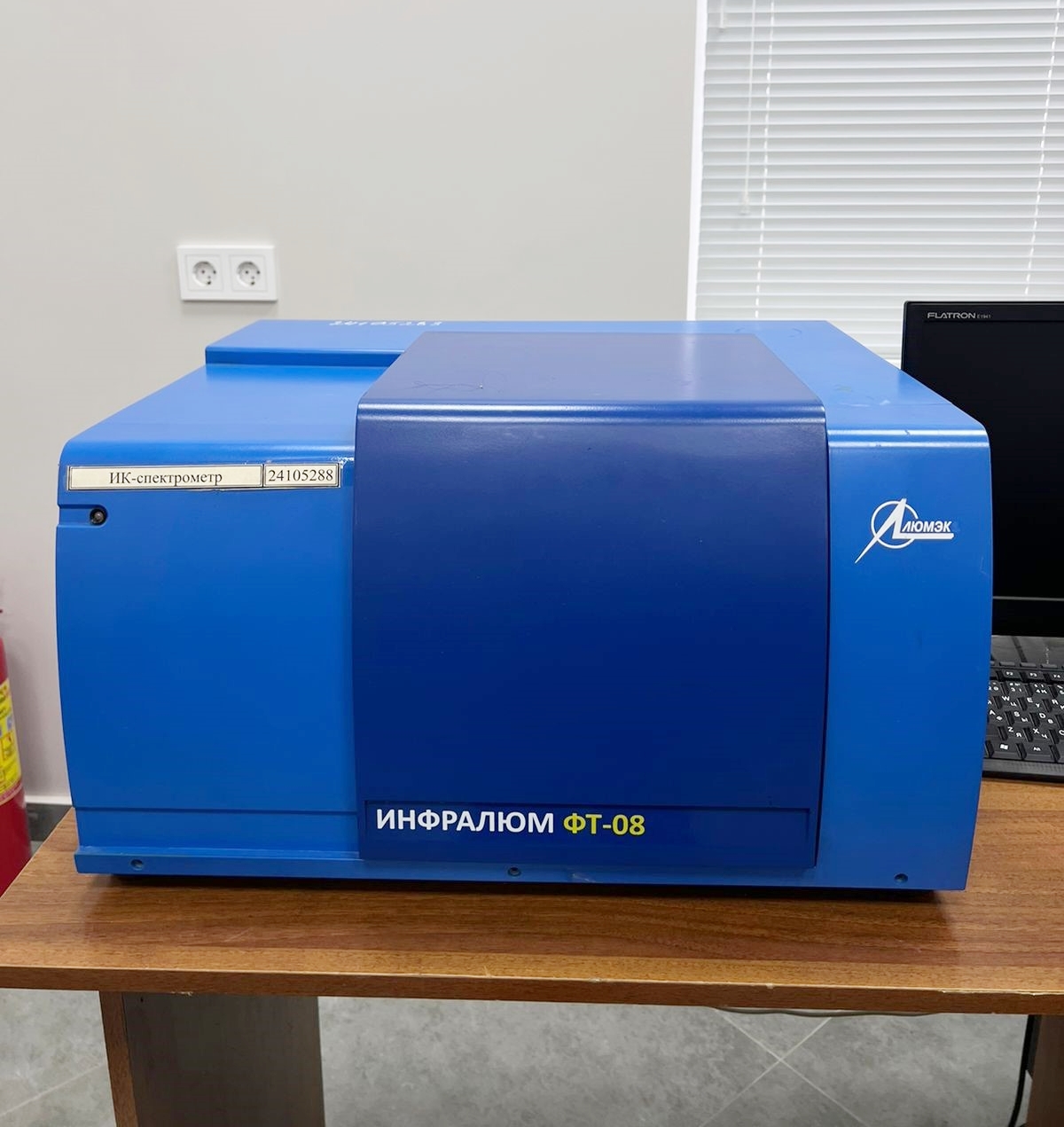
IR spectrophotometer
An IR spectrophotometer is a device designed for qualitative and quantitative analysis of substances based on their infrared spectra. It allows the functional groups and chemical composition of organic and inorganic compounds to be determined. In pharmaceutical research, it is used to identify raw materials, control purity and confirm the structure of medicinal substances.
The Pharmacy Research Center Laboratories

104 b – Physical and Chemical Research Laboratory
The Physical and Chemical Research Laboratory analyses, identifies and controls the quality of medicines, substances and plant extracts using modern analytical methods. The laboratory's main equipment includes a high-performance liquid chromatograph (HPLC) designed for the separation and quantitative determination of biologically active substances, and an infrared spectrophotometer (IR spectrophotometer) used to study the structural and functional groups of compounds.
The laboratory conducts physicochemical studies aimed at establishing the purity, stability and authenticity of pharmaceutical substances and finished forms, as well as developing and improving analytical methods, providing scientific support for technological and pharmacognostic work.
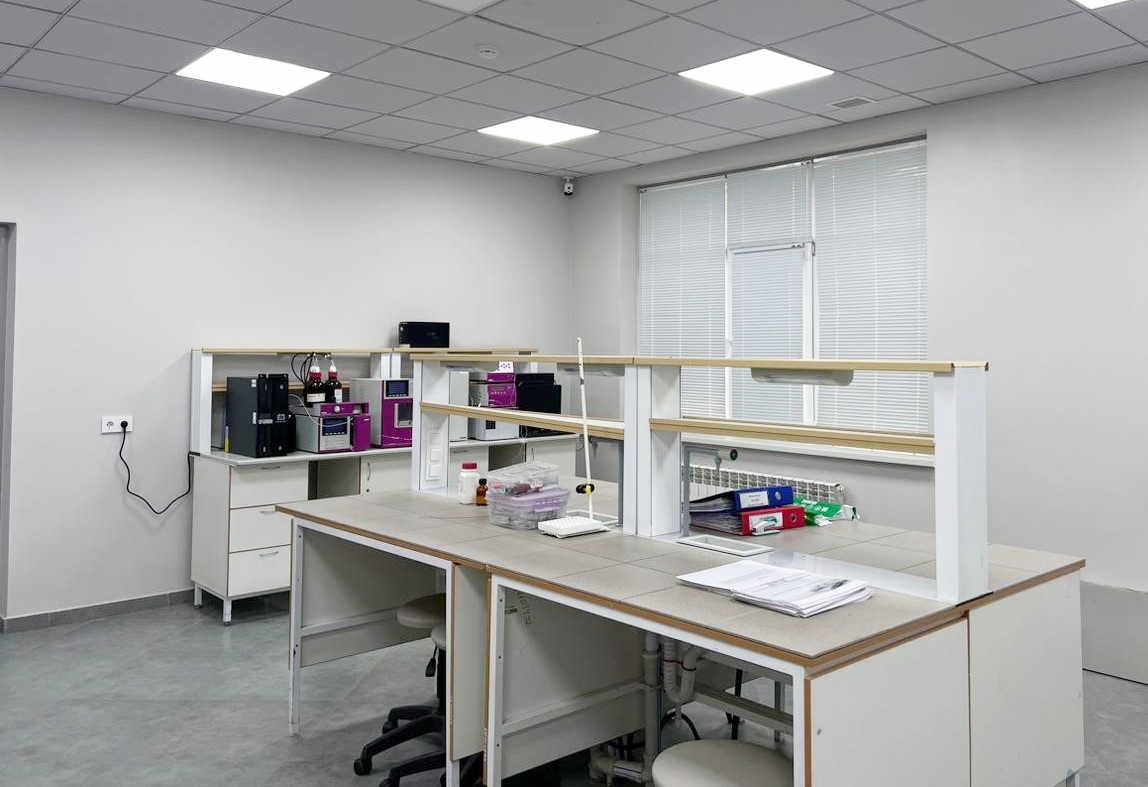
105 – Pharmaceutical Analysis Laboratory
The Pharmaceutical Analysis Laboratory studies the physical and chemical properties of medicinal products, including their description, solubility, physical constants and spectral characteristics. It develops quality indicators for active pharmaceutical substances and medicinal products of natural, synthetic and semi-synthetic origin in accordance with regulatory requirements. The laboratory conducts research on the stability of drugs, standardisation of medicinal products, and the development of draft temporary analytical regulatory documents. Particular attention is paid to the creation and improvement of quality control methods using modern chemical and physicochemical methods of analysis, which ensures a high level of reliability and reproducibility of results.
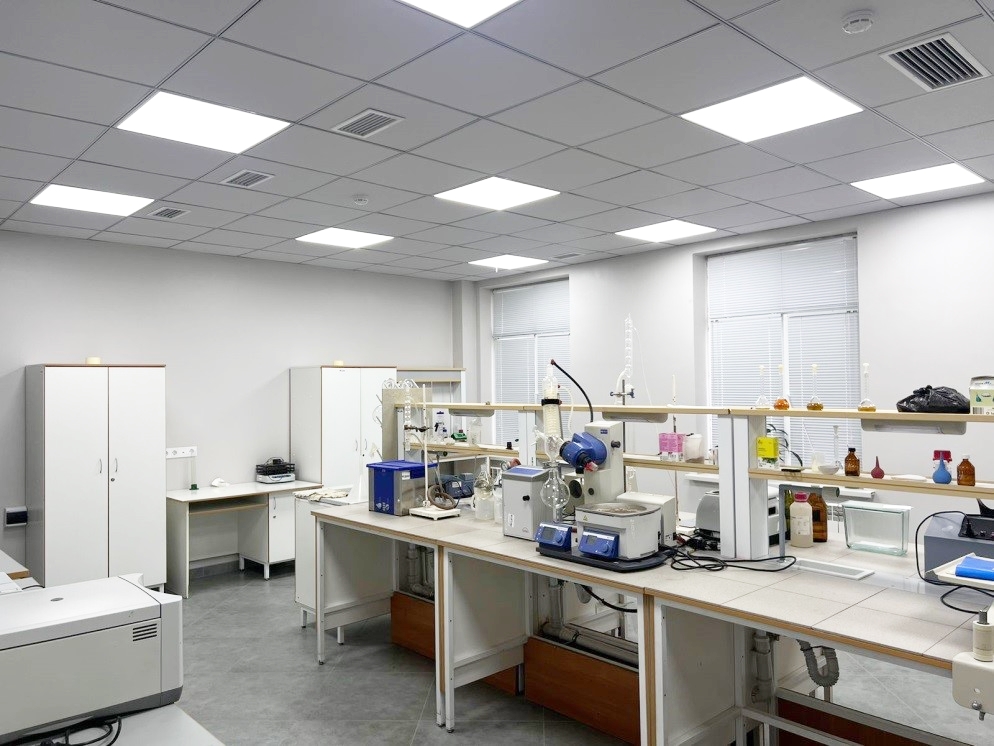
106 – Pharmacognosy Laboratory
The Laboratory of Pharmacognosy and Phytochemical Research studies the chemical composition of the main groups of biologically active substances (BAS) in medicinal plants, isolating active components and total extracts. Methods for the isolation, purification and separation of BAVs from plant raw materials are being developed and improved, and their properties, classification and identification methods are being studied. The laboratory performs qualitative and microchemical reactions to confirm the presence of polysaccharides, essential oils, vitamins, cardiac glycosides, saponins, anthracene derivatives, coumarins, flavonoids, tannins and alkaloids.
The quality of medicinal plant raw materials is studied, and indicators of moisture content, ash content, extractive substances, impurities and degree of comminution are determined in accordance with the requirements of the State Pharmacopoeia of the Republic of Kazakhstan. The results of pharmacognostic and phytochemical analysis are statistically processed and formalised in accordance with the established procedure. As part of the laboratory work, the optimal methods and conditions for extracting active substances are also selected, and their identification is carried out using modern physicochemical methods of analysis.
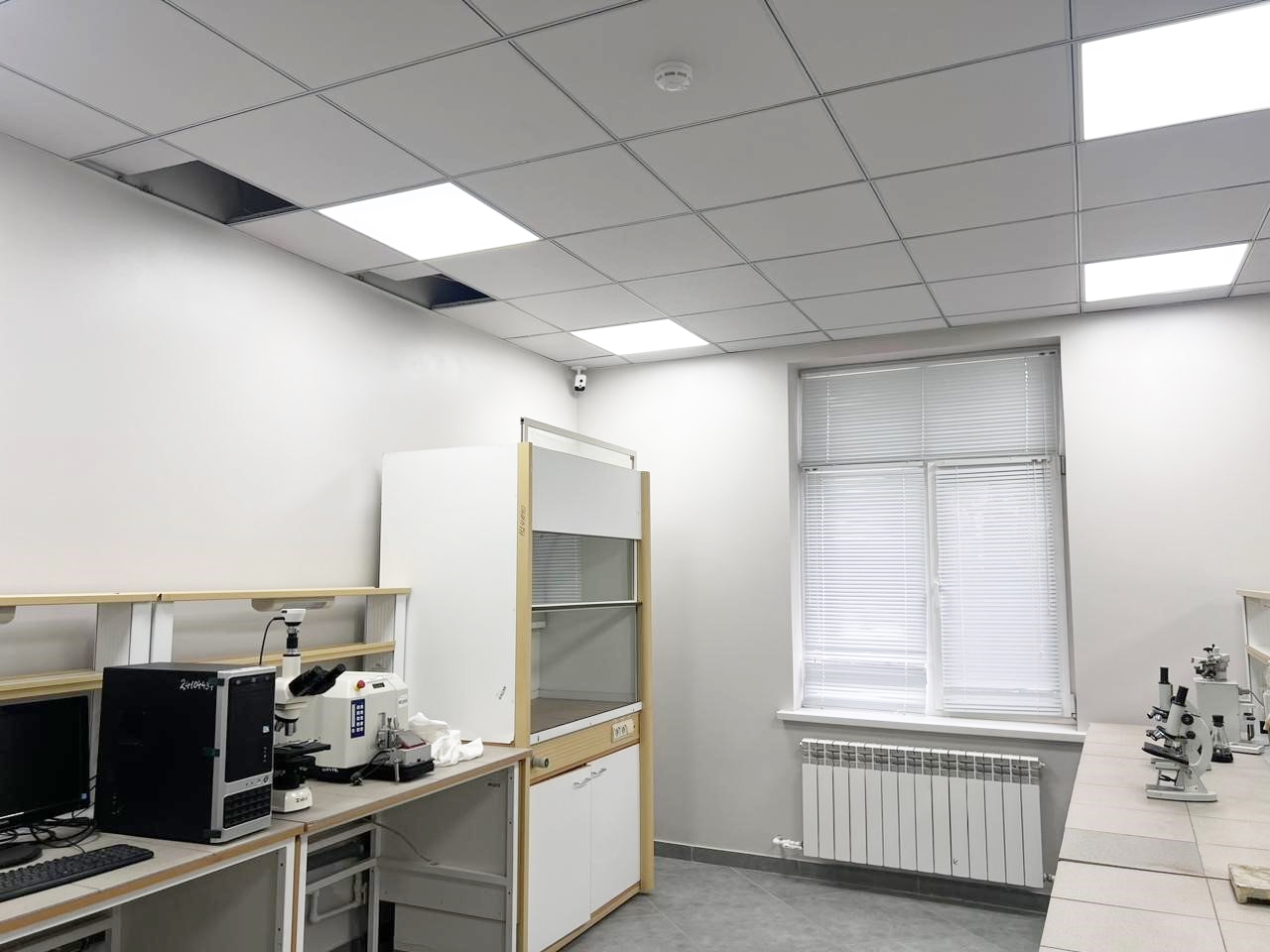
108 – Pharmacognosy Laboratory
The Laboratory of Pharmacognostic Research collects and cultivates wild medicinal plants growing in the south of the Republic of Kazakhstan. It harvests and dries plant raw materials used in traditional and scientific medicine, as well as performing their initial processing. The laboratory studies the morphological and anatomical characteristics of wild and cultivated medicinal plant species, and improves methods for preparing micro-preparations and determining the authenticity of plant raw materials.
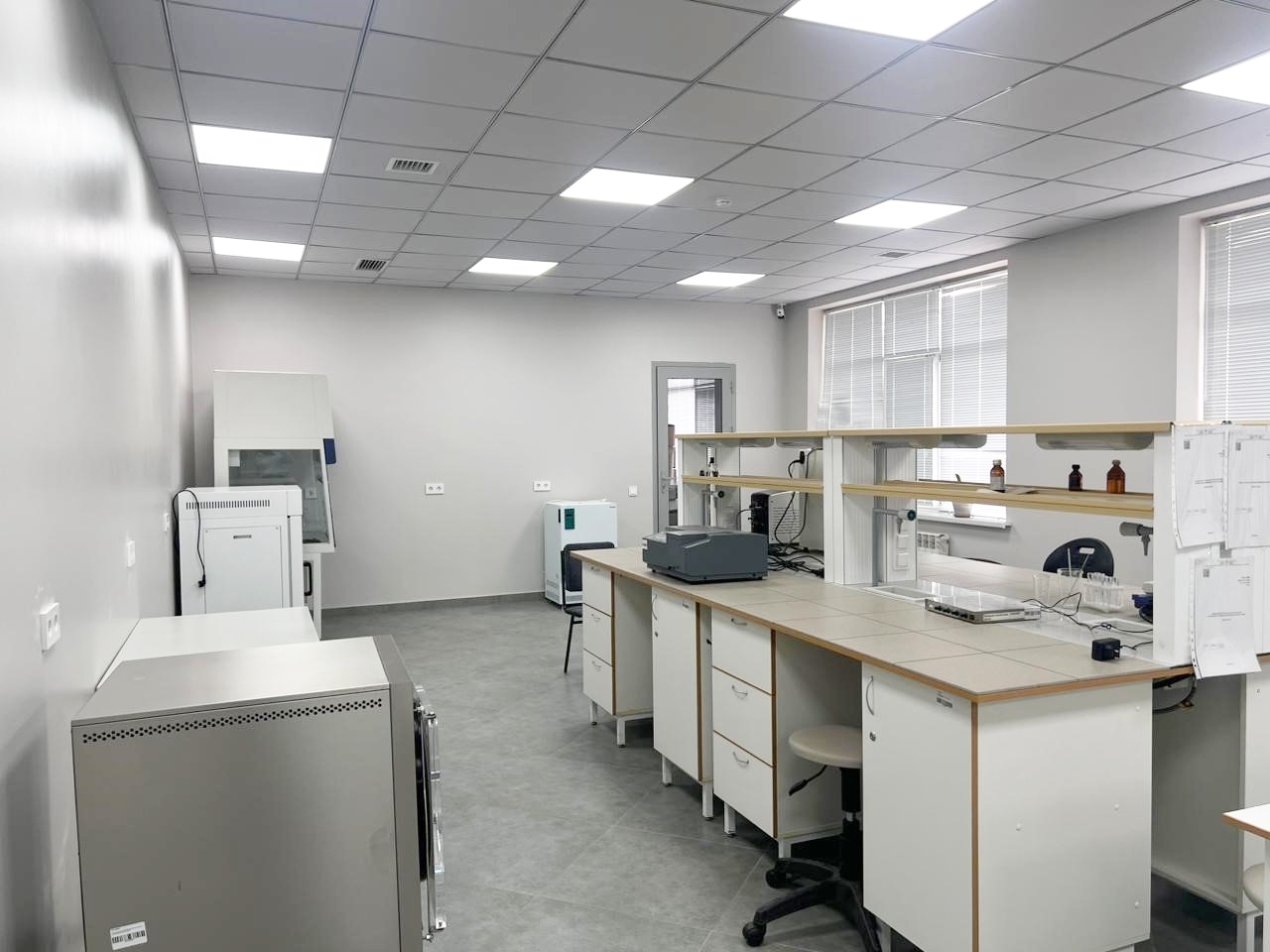
109 – Pharmaceutical Development Laboratory
The Pharmaceutical Development Laboratory conducts scientific research by professors, lecturers, doctoral students and master's students aimed at creating and improving medicines. The laboratory studies and prepares medicinal and auxiliary substances, develops dosage forms and preparations from both plant raw materials and synthetic substances, and creates biologically active food supplements. It conducts physical, chemical, technological, and biopharmaceutical research, experiments to study the stability of dosage forms, and determine their shelf life. The lab prepares lab samples for pilot production, develops packaging materials and draft regulatory documentation, and prepares samples for preclinical studies.
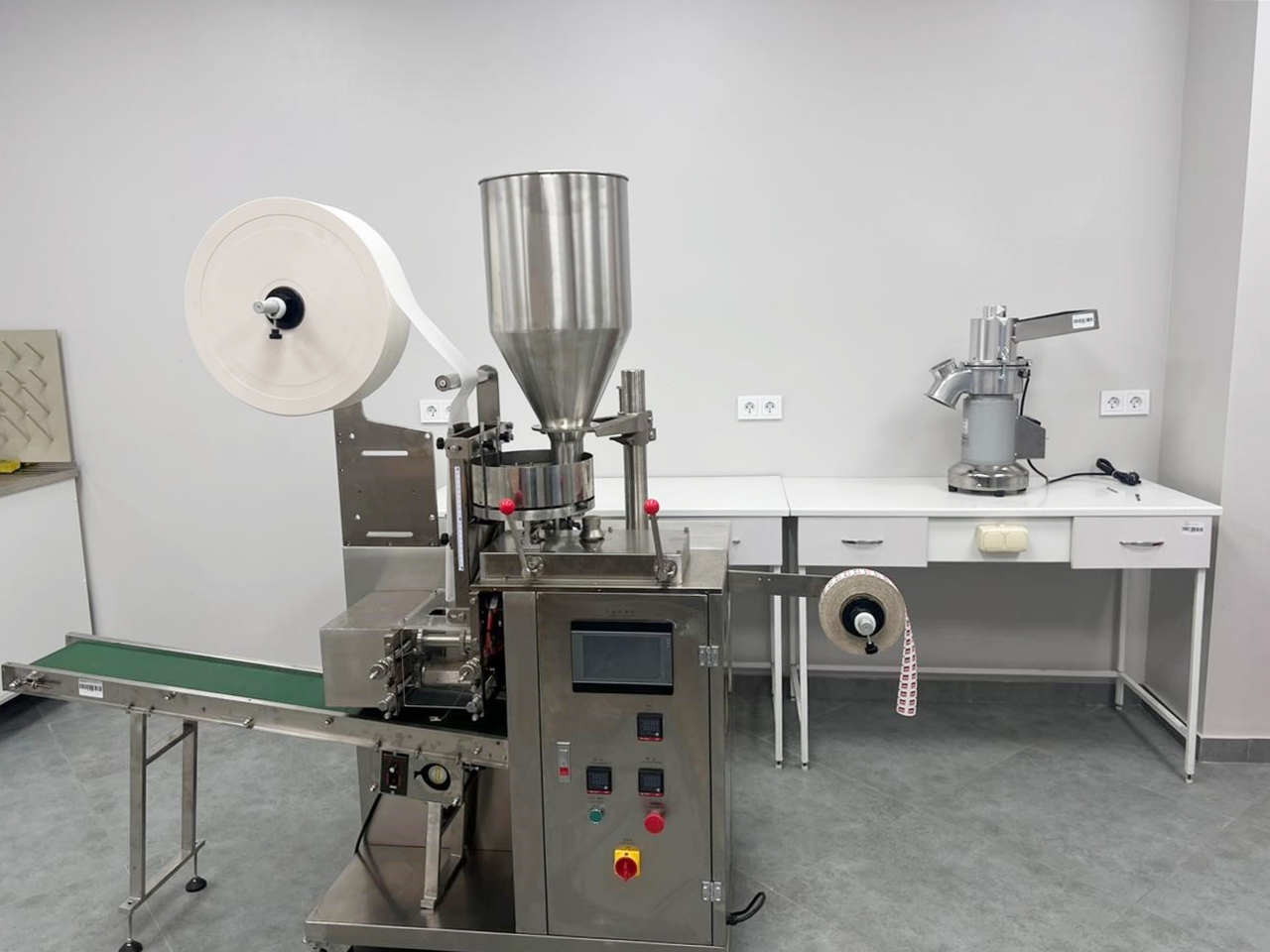
110 – Mini pilot industrial zone
The mini pilot industrial zone is designed for pilot industrial work on the production of herbal preparations and herbal teas from medicinal plant raw materials. The zone provides a full cycle of technological processes, from the preparation of raw materials to the production of finished products. Production includes the stages of grinding, mixing, dosing and packaging of plant mixtures in compliance with sanitary and technological standards.
As part of the zone's activities, herbal teas with various effects have been developed and are being produced:
• Hepatoprotective herbal tea — helps protect and restore liver cells, improves bile secretion and metabolism;
• Breast herdal tea — has an expectorant, anti-inflammatory and soothing effect in respiratory diseases;
• Hypoglycaemic herdal tea — aimed at lowering blood glucose levels and normalising metabolic processes.
The mini pilot industrial zone provides practical implementation of scientific developments, testing of technologies, optimisation of composition and quality control of herbal products.