Clarification on the upcoming changes in the medical education system of the Republic of Kazakhstan.
Dear students, parents, and colleagues,
In connection with the ongoing discussions about changes in the system of medical education in the Republic of Kazakhstan, we consider it necessary to provide clarification on the issues that are currently of concern to medical university students.
Starting from 2026, it is planned to introduce an updated model of medical training aimed at strengthening practical preparation, improving the quality of graduates’ clinical skills, and providing a clearer distinction between the stages of basic medical education, internship, and residency. The new model предусматривает 6 years of study at a medical university and 1 year of internship. The first graduates under the new system are expected in 2033.
These changes primarily affect applicants entering medical universities from 2026 onwards. For students who have already enrolled and are continuing their studies, the training conditions and educational pathways will remain in accordance with the current educational programs and regulatory requirements.
For applicants entering from 2026, medical training will follow the model: 6 years of university education + 1 year of internship. After completing this training, graduates will be able to:
-
begin professional practice as physicians, including at the level of primary healthcare, as well as, according to clarifications, in inpatient healthcare organizations;
-
continue their education in residency to obtain a specialized medical qualification.
One of the key innovations will be the introduction of the “intern doctor” status. This means that an intern will be regarded not simply as a student, but as a specialist with basic clinical skills, working under the supervision of a mentor and bearing a certain level of professional responsibility.
Students admitted in 2021 will continue their education under the current “5+1” model, i.e., 5 years of basic medical training + 1 year of internship. For this category of students, the conditions of study, the duration of training, and the дальнейшая trajectory remain unchanged. After completing the internship, graduates will be able to either start working as physicians in accordance with established procedures or enter residency. The expected graduation year for this group is 2027.
Students admitted in 2022–2025 under the continuous integrated medical education (CIME) programs will continue their studies within the 6-year model. For this category, an increased emphasis on practical training, expanded clinical exposure, and additional academic hours has already been предусмотрено. Upon completion, graduates retain the right to:
-
begin working at the level of primary healthcare;
-
or continue their education in residency.
Thus, it is important for current students to understand that the duration of their studies and the main opportunities for their future professional path remain unchanged under the conditions in effect at the time of their admission and their educational program.
The main goal of the upcoming changes is not simply to alter the duration of training, but to enhance the practical readiness of medical university graduates for independent professional activity. The new model is aimed at:
-
strengthening basic and clinical practice;
-
developing strong practical skills;
-
fostering clinical thinking;
-
increasing the responsibility of future doctors;
-
ensuring a smoother transition from education to professional activity;
-
creating conditions for a conscious choice of future career path — employment or residency.
In the new system, the internship is intended to become a полноценный clinical stage of medical training, carried out under the supervision of a mentor, with active involvement in real medical practice and access to medical information systems.
Residency will remain the next stage of advanced professional training. It will be intended for graduates who choose further specialization in narrow clinical fields. In other words, basic medical education and internship should ensure readiness to start professional practice, while residency will provide in-depth specialization in a specific area of medicine.
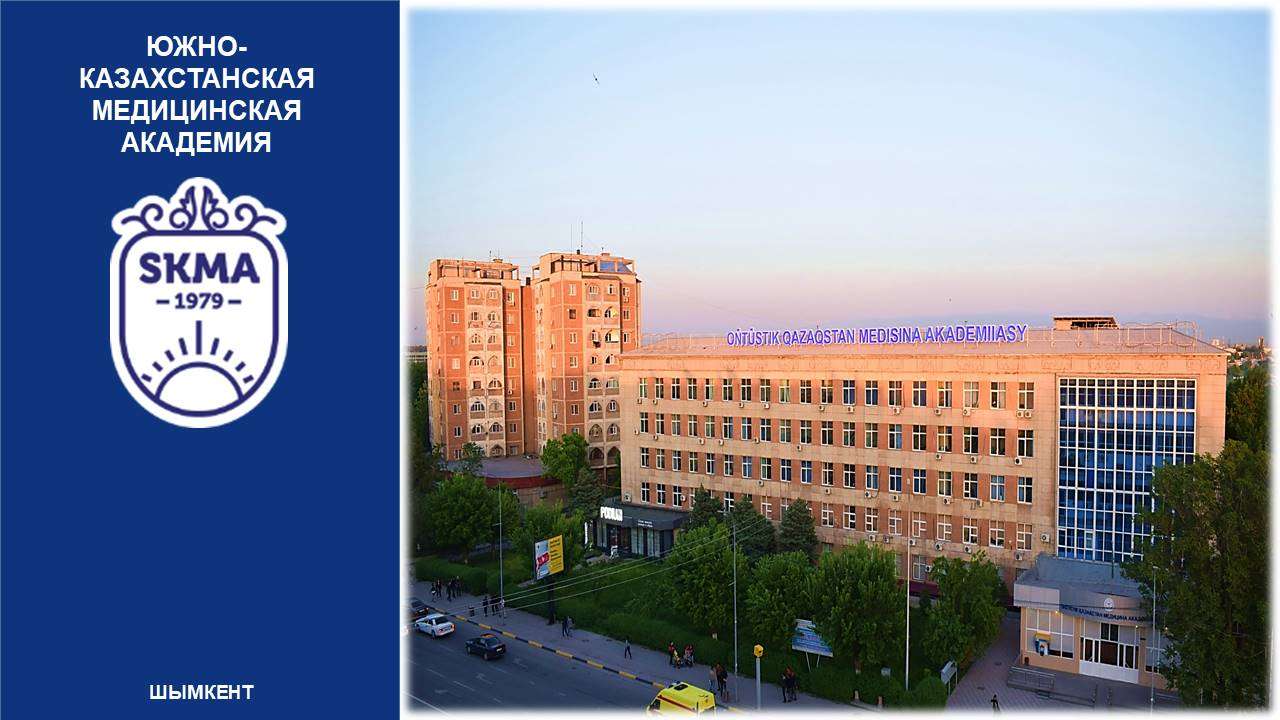
South Kazakhstan Medical Academy, as a medical university, will carry out all necessary organizational, academic, and informational work to ensure that the transition to the updated model is clear, consistent, and safe for students.
The key point for students: current educational pathways remain unchanged, and all changes will be implemented gradually and only on the basis of officially approved regulatory decisions.