On issues of orphan (rare) diseases in the Republic of Kazakhstan
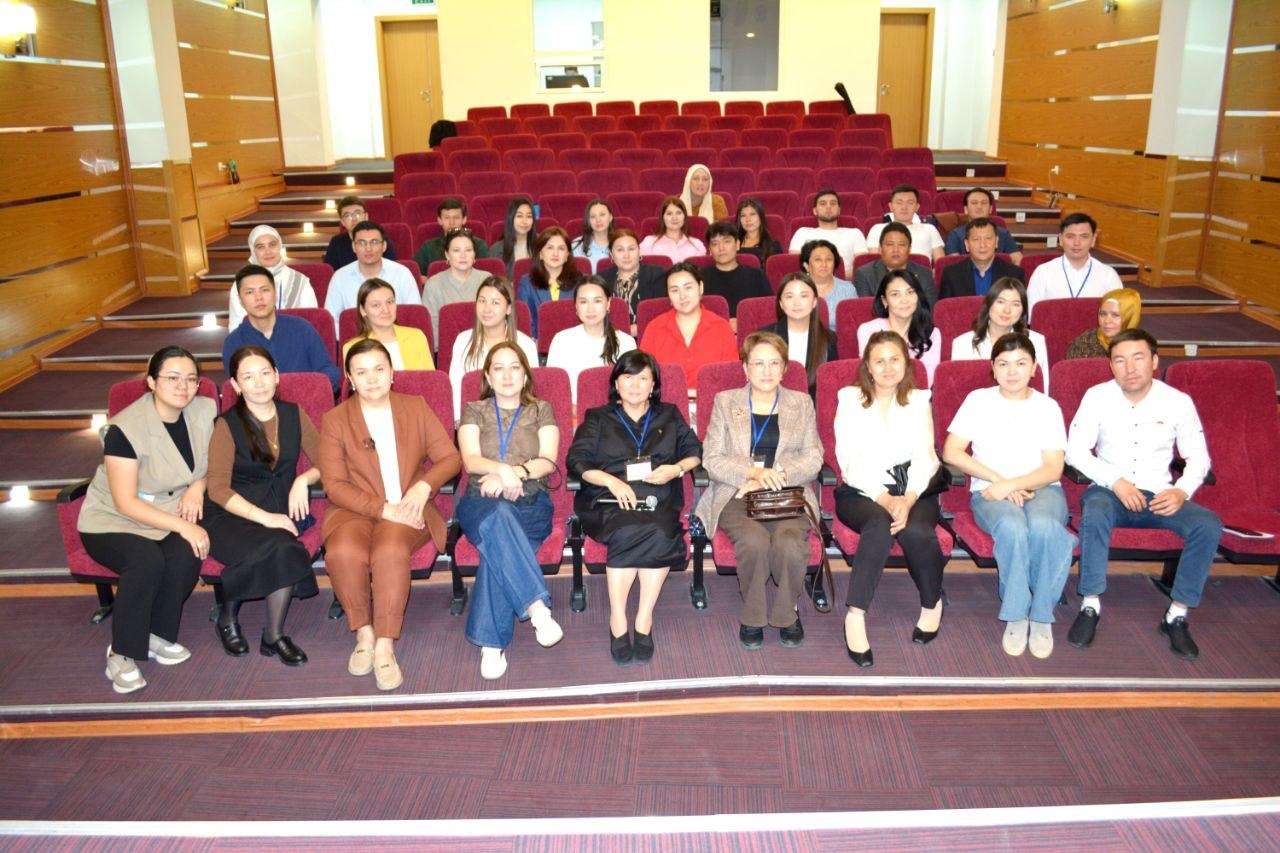
Іn the city of Turkistan, a regional scientific and practical conference titled “School of Clinical Neurology in Southern Kazakhstan” is being held at the Khoja Akhmet Yassawi International Kazakh-Turkish University. The event is organized by the Department of Neurology, Psychiatry, Rehabilitation, and Neurosurgery of the South Kazakhstan medical academy, with the support of the Turkistan Regional Health Department and the Shymkent City Health Department.
The School is intended for pediatric and adult neurologists, psychiatrists, general practitioners, residents, and medical students of the region.
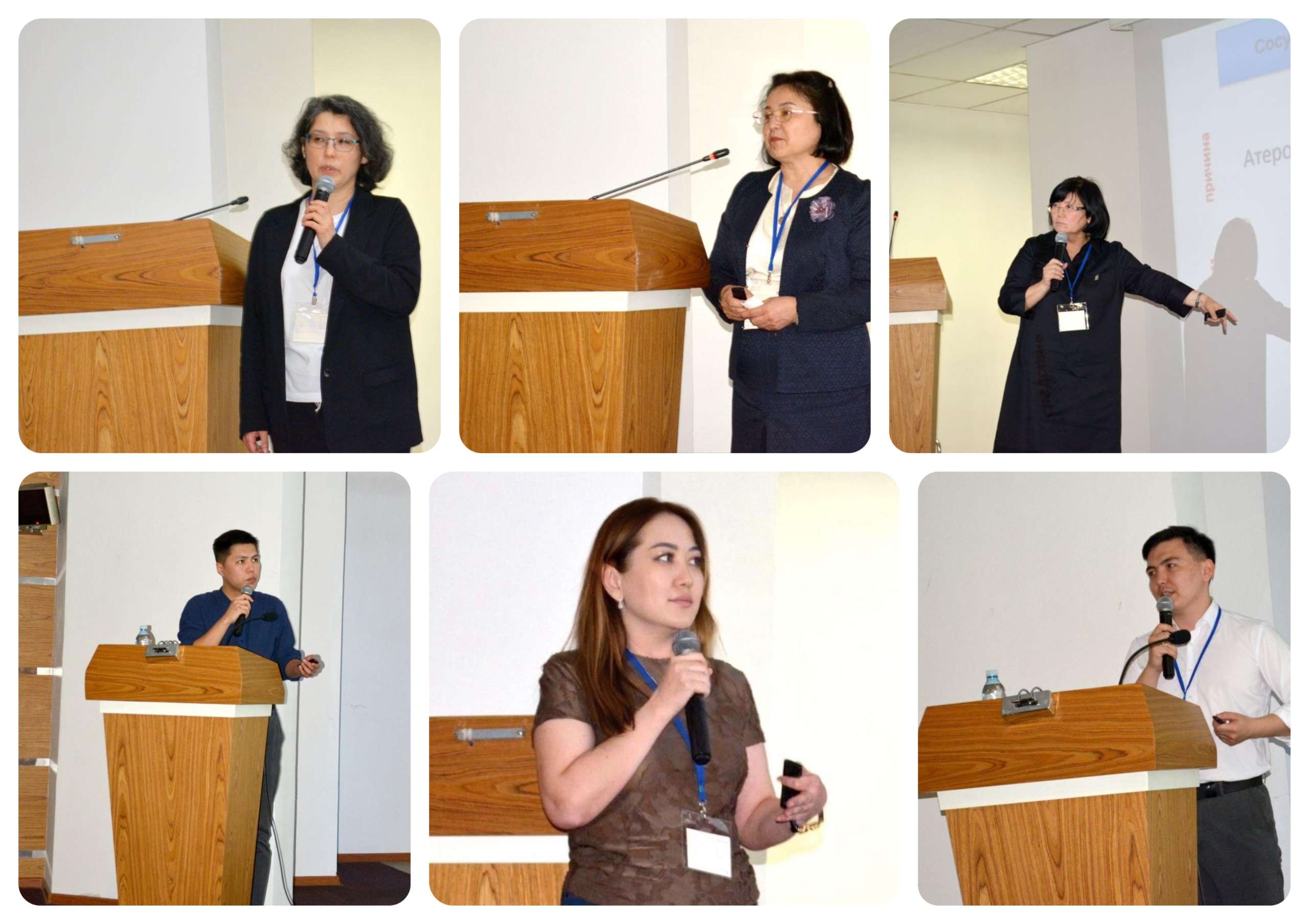
Among the speakers are: Professor S.Z. Yeshimbetova, Head of the Department of Psychiatry and Narcology at the Kazakhstan-Russian University; Professor N.A. Zharkinbekova, Head of the Department of Neurology, Psychiatry, Rehabilitation, and Neurosurgery at SKMA; Associate Professor–Researcher at Al-Farabi Kazakh National University, Head of the Center for Orphan Pathology at the Research Institute of Cardiology and Internal Diseases, and Chief External Specialist in Adult Orphan Diseases, Candidate of Medical Sciences Z.D. Dushimova; Candidate of Medical Sciences G.A. Mukhambetova, Professor of the Department of Internal Medicine at Asfendiyarov Kazakh National Medical University; as well as faculty members and researchers from SKMA and KRMU, and young physicians, PhD students, and residents from Khoja Akhmet Yassawi International Kazakh-Turkish University and SKMA.
The School’s program covers a wide range of relevant issues in the diagnosis, treatment, and rehabilitation of neurological and rare diseases, including epilepsy, myasthenia gravis, spinal muscular atrophy, ischemic stroke, multiple sclerosis, and cerebrovascular disorders.
Special attention is given to rare (orphan) diseases, including organizational aspects, diagnostic challenges, genetic considerations, and risk factor management.
In the Republic of Kazakhstan, the issues of diagnosis, treatment, and social support for patients with orphan (rare) diseases remain among the most pressing challenges in the healthcare system. The southern region of Kazakhstan is the most densely populated area, where a significant number of patients with orphan diseases are registered.
Neurological diseases not only occupy leading positions within the structure of orphan diseases but also represent a high-cost category in terms of pharmacological provision. Moreover, orphan diseases are severe, life-threatening conditions requiring the coordinated efforts of not only neurologists but also multidisciplinary specialists, including palliative care providers and social workers.
The government places significant emphasis on orphan diseases. Kazakhstan is one of the few countries in the world where patients with orphan diseases, particularly spinal muscular atrophy and Duchenne muscular dystrophy, are provided with treatment funded by the state budget. Currently, 64 groups of orphan diseases are included in the official list in the Republic of Kazakhstan.
As part of the School, participants were introduced to recent amendments to regulatory legal acts in the field of orphan diseases, key provisions of drug supply, patient care pathways for orphan diseases, and procedures for pharmaceutical provision. The role of multidisciplinary teams at both the regional health authority level and within medical organizations was thoroughly explained, including their functions and composition in ensuring a comprehensive approach to patient management.
Additionally, discussions addressed the need for preventive measures, communication with patients’ families, the role of genetic risk, and the prevention of consanguineous marriages, as well as genetic carrier status in orphan diseases.
The School of Clinical Neurology aims to enhance knowledge and awareness of neurological and orphan diseases, support professional development, and improve the organization of patient care pathways for individuals with neurological and rare conditions.