SKMA and Sechenov University: scientific and educational partnership
To implement the Memorandum of Cooperation between the South Kazakhstan Medical Academy and the I.M. Sechenov First Moscow State Medical University, a comprehensive working trip was held for representatives of the SKMA Department of Pharmaceutical and Toxicological Chemistry. The visit included educational, research, and organizational activities aimed at strengthening academic mobility, expanding scientific integration, and developing international partnerships in the pharmaceutical field.
The Head of the Department, Professor S.K. Ordabayeva, and Associate Professor A.D. Serikbayeva, participated in the educational process at the A.P. Arzamastsev Department of Pharmaceutical and Toxicological Chemistry of the A.P. Nelyubin Institute of Pharmacy at Sechenov University. During working meetings and practical exercises, modern educational approaches to training pharmaceutical specialists and the introduction of innovative technologies into the educational process were presented. Issues related to the harmonization of educational programs, the development of a competency-based model for specialists, and the potential for the joint development of interuniversity teaching and methodological materials were discussed.
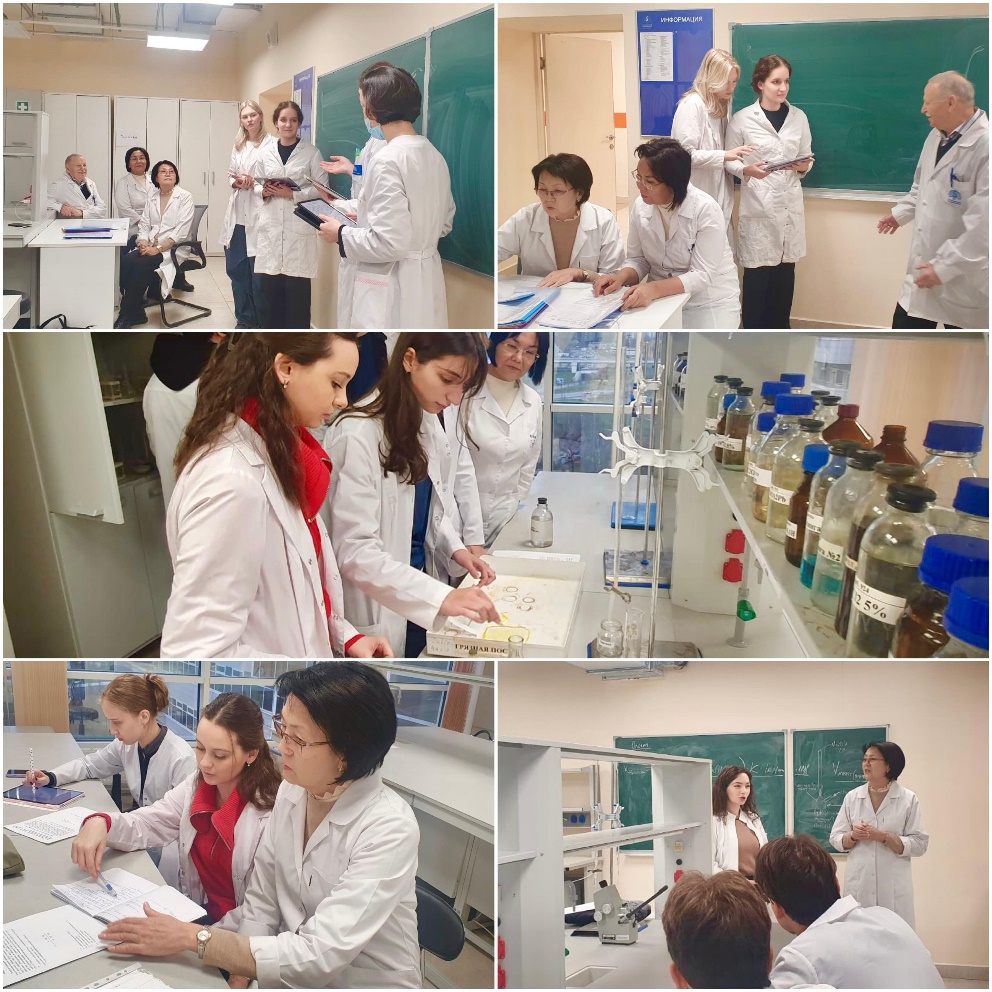
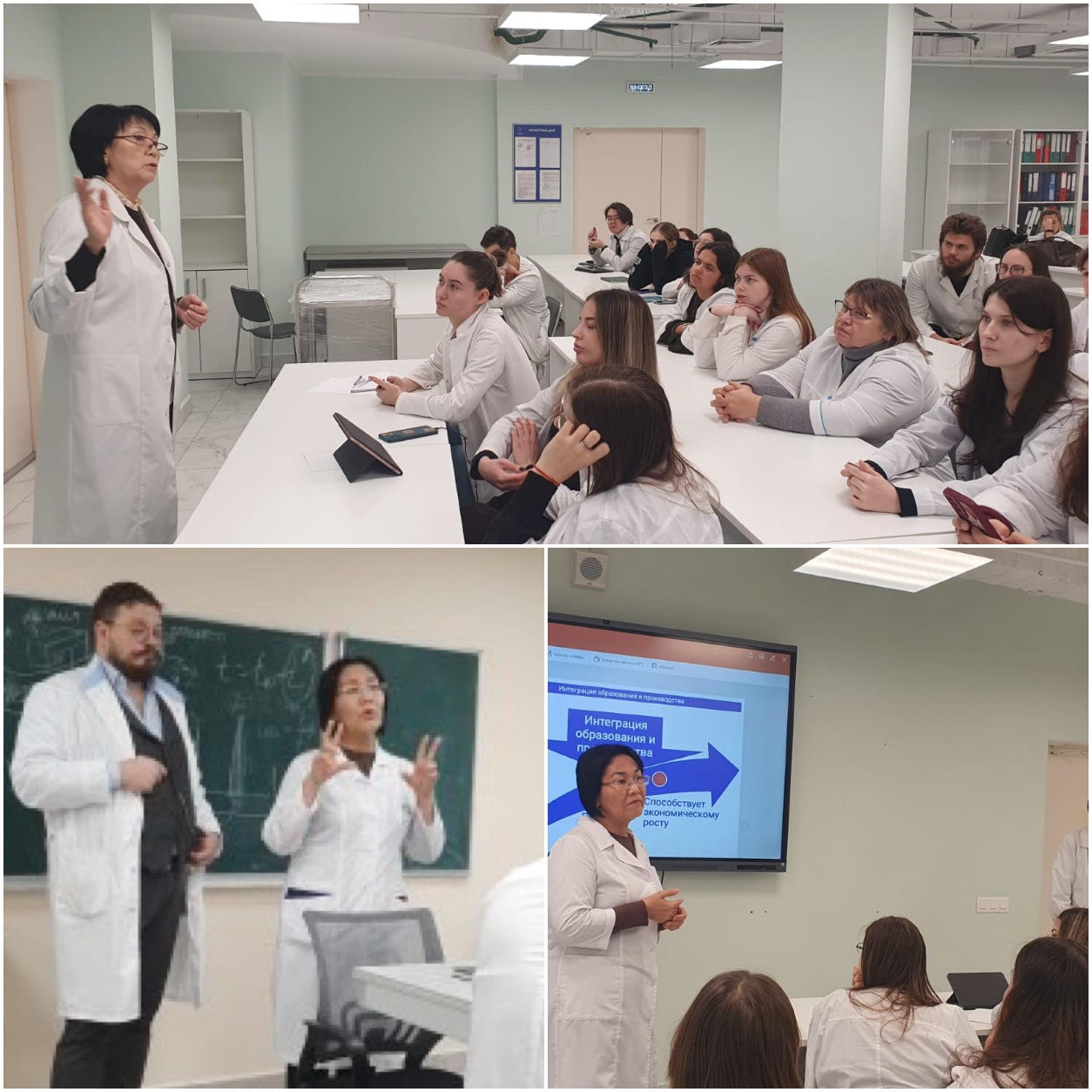
SKMA representatives held lectures on modern drug analysis strategies, trends in the development of xenobiotic chemical and toxicological analysis, and drug standardization methods. During the discussions, participants shared experiences in the use of analytical platforms, modern testing methods, and digital tools in training.
A significant element of the visit was participation in the III International Scientific and Practical Conference "Integration Links in Pharmaceutical Ecology - 2025," which focused on environmental safety, the analysis of anthropogenic pollutants, and the search for innovative solutions in pharmaceutical ecology.
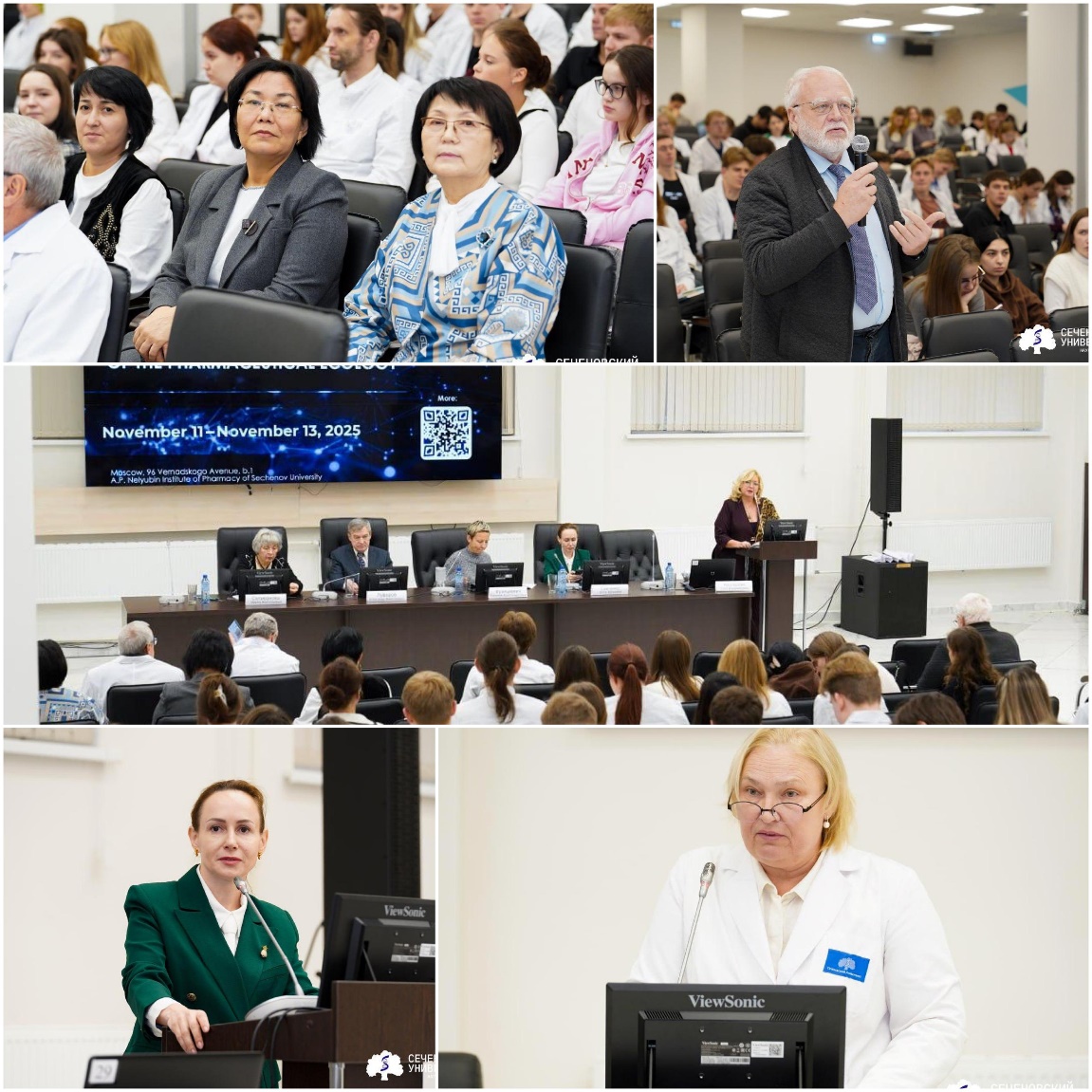
At the plenary session, Professor S.K. Ordabayeva presented a report titled "Integration of Production and Education: Experience and Prospects." The report examined current models of interaction between the pharmaceutical industry and educational institutions, the stages of forming a "university-research laboratory-production" ecosystem, improving the effectiveness of training through the inclusion of practice-oriented modules, and the potential for implementing digital technologies to optimize production processes and the educational environment.
The report generated considerable interest as it touched on key areas of development in the pharmaceutical industry amid global change and increasing demands on the quality of medicines.
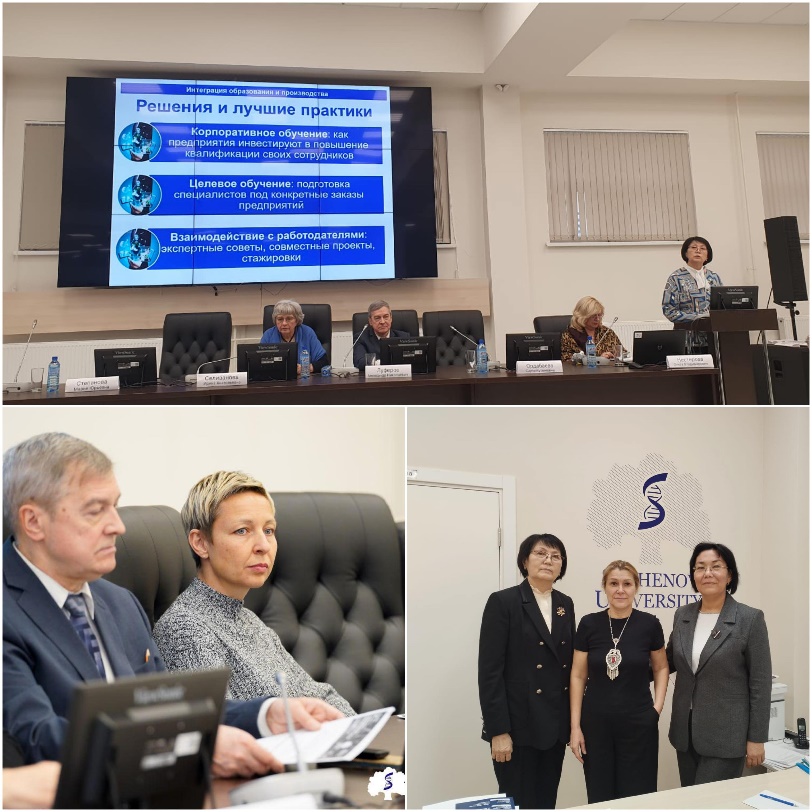
As part of the breakout session, Associate Professor A.D. Serikbayeva presented a paper entitled "Analytical Approaches to Determining Residual Quantities of Drugs in Milk Using HPLC/MS." The paper detailed new approaches to identifying trace concentrations of drugs, method validation parameters, and the importance of monitoring drug residues in animal food products to ensure public safety.
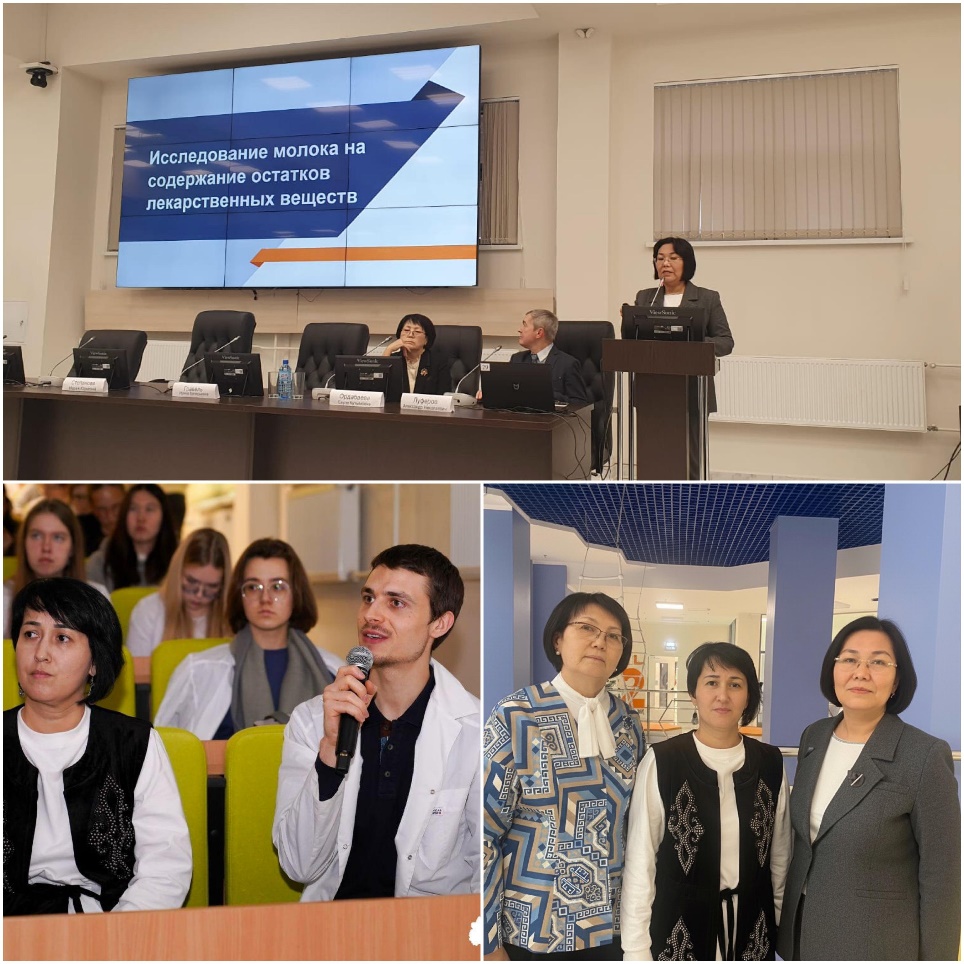
Of particular importance at the conference was the participation of young scientists from the Department of Pharmaceutical and Toxicological Chemistry, who presented the results of their applied research. Presentations were made by PhD student Zh. Mussabekov, senior lecturer R. Bidaibek, master's student in the two-degree educational program "Pharmaceutical Ecology" G. Mataeva, and students from the "Scientist" scientific club – Anel Nurgalikizy, Ayazhan Shymkentbay and Ayazhan Balgynbayeva. Their research reports covered current areas of pharmaceutical science, including the standardization of medicinal plant materials, the study of new biologically active compounds, the chemical and toxicological analysis of xenobiotics, and issues of pharmaceutical ecology and sustainable development.
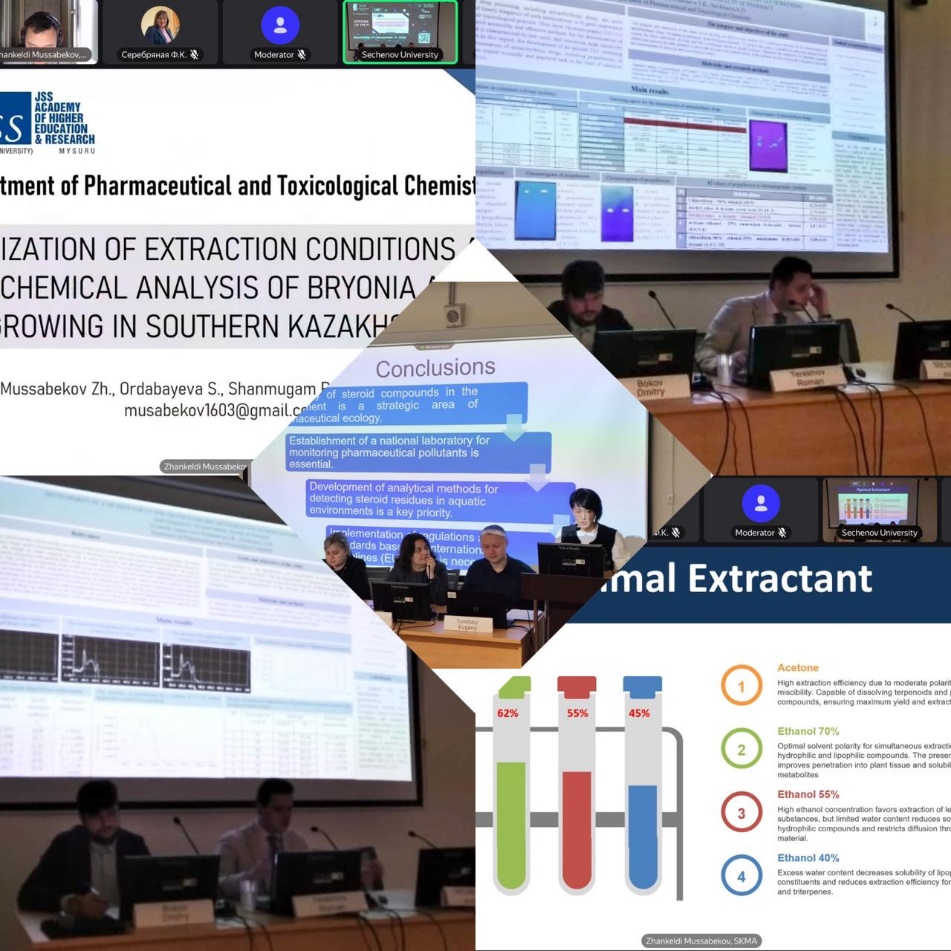
The participation of Academy representatives in Sechenov University's educational and scientific events made a significant contribution to strengthening international cooperation, developing scientific collaboration, and expanding the professional competencies of faculty and students. The events held allowed us to develop new models of joint research activities, identify promising areas for the development of educational programs, establish sustainable academic ties between departments, and initiate the preparation of joint scientific publications and projects.