“Lesson Planning Methods in the Development of Functional Literacy”
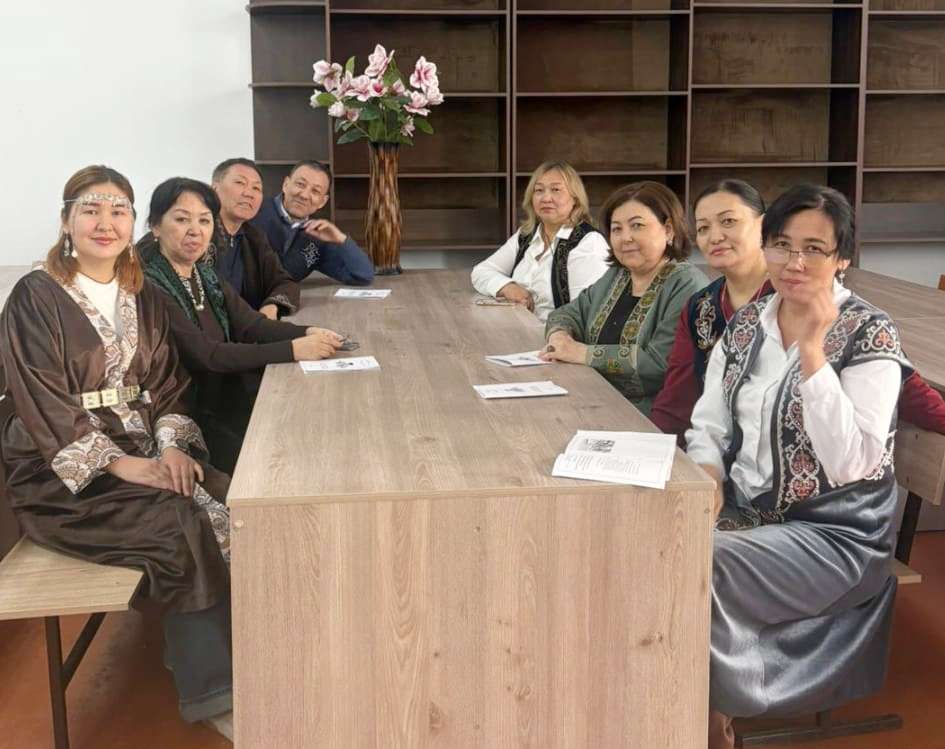
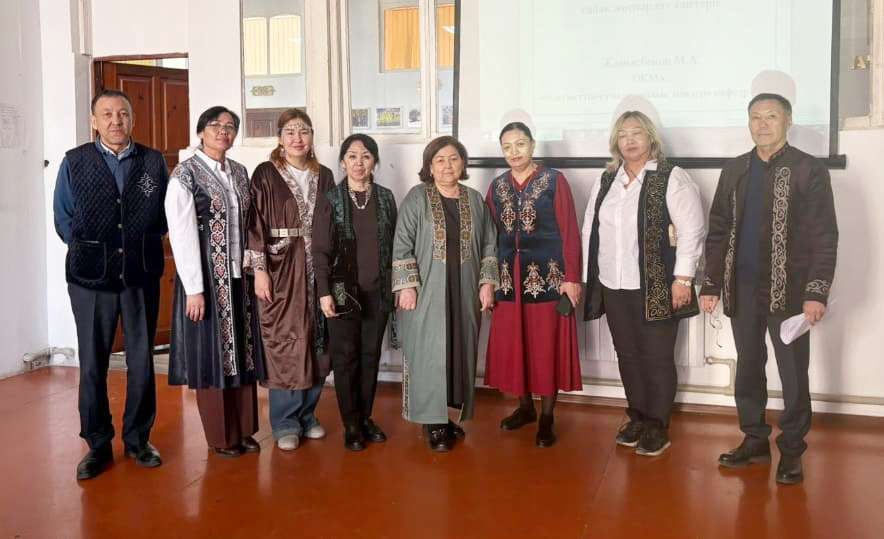
On March 18, 2026, the Departments of “History of Kazakhstan and Socio-Political Disciplines” and “Social and Humanitarian Disciplines” jointly organized and held a methodological seminar on the topic “Lesson Planning Methods in the Development of Functional Literacy.”
The purpose of the seminar was to familiarize teachers with methods of developing functional literacy and to build skills for their effective application in the educational process.
During the seminar, the concept and importance of functional literacy were discussed, along with various ways of applying interactive and innovative teaching methods.
At the seminar, Acting Associate Professor of the Department of “History of Kazakhstan and Socio-Political Disciplines,” G.S. Aidarbekova, delivered a presentation on the topic “Features of Using Digital Technologies in the Teaching Process.”
The presentation examined in detail the effectiveness and advantages of integrating digital technologies into the educational process, as well as their role in improving the quality of education. The speaker highlighted the features of modern digital tools and platforms used in education and provided specific examples and practical recommendations. In particular, the opportunities for using interactive educational resources, organizing communication through electronic platforms, and enhancing the effectiveness of teaching disciplines through digital technologies were discussed. These approaches contribute to the activation of the learning process and improvement of students’ academic performance.
The seminar participants shared their experiences and discussed the possibilities of widely implementing digital technologies in the educational process.
In conclusion, it can be noted that the integration of digital technologies into education enables more effective and engaging learning for students. The use of interactive resources, communication through electronic platforms, and the adaptation of digital tools to academic disciplines transform the educational process into a new format, improve the quality of education, and ensure compliance with modern educational requirements.